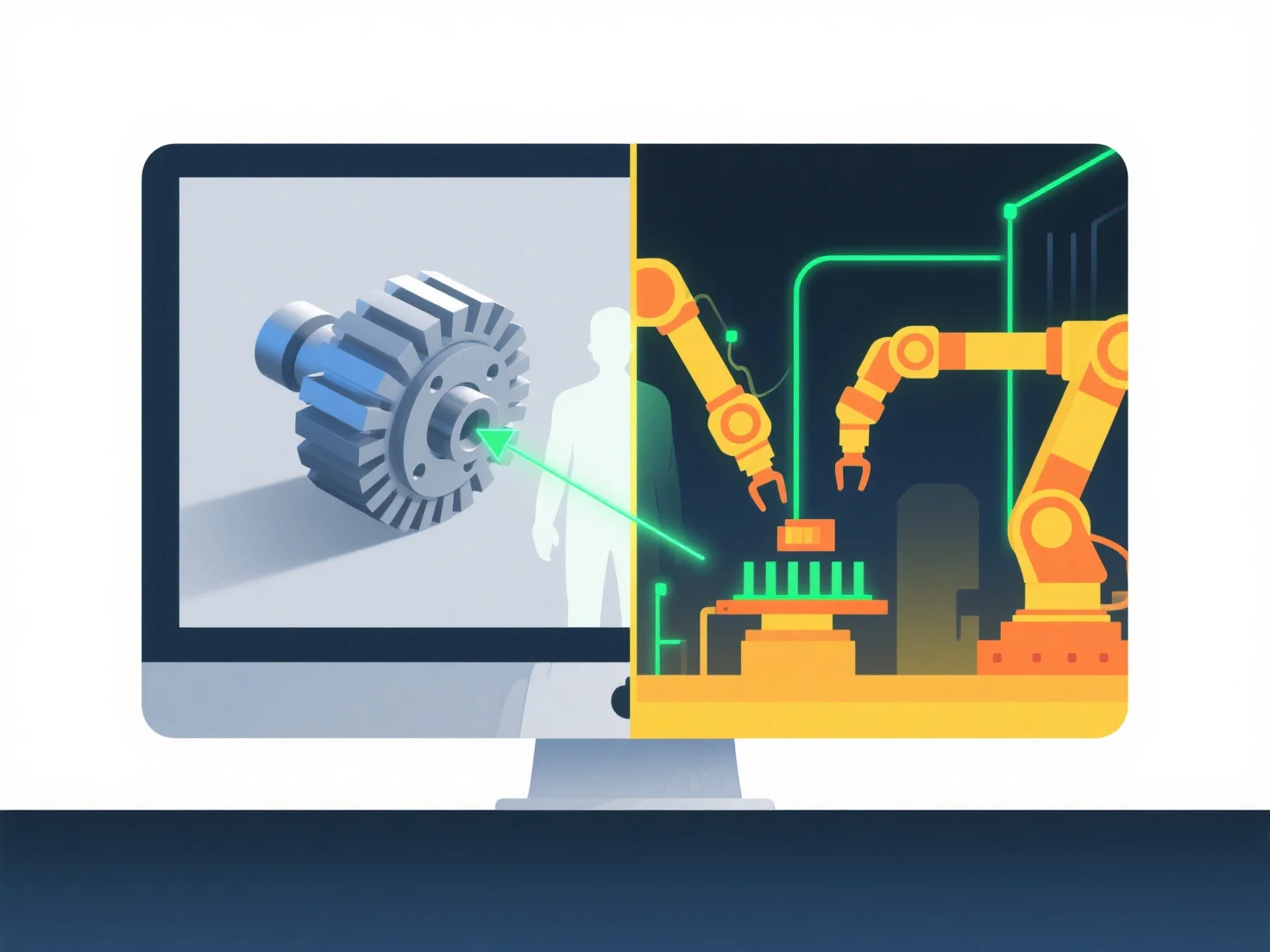
El modelado 3D mejora la colaboración con los fabricantes durante la producción al proporcionar una referencia de diseño visual unificada, reduciendo la ambigüedad y alineando la intención del diseño con las capacidades de fabricación. Permite a los fabricantes visualizar claramente los componentes, las tolerancias y los pasos de ensamblaje, eliminando las interpretaciones erróneas de los dibujos 2D. Permite una comunicación rápida sobre la viabilidad del diseño, como la idoneidad del material o las restricciones de mecanizado, reduciendo los retrasos de ida y vuelta. Si se necesitan cambios, la actualización de los modelos 3D permite a los fabricantes adaptar los planes de producción rápidamente, manteniendo la coherencia y la eficiencia. En general, el modelado 3D agiliza la colaboración al fomentar la claridad, la velocidad y la alineación entre los equipos de diseño y fabricación.


¿Cómo mejora el modelado 3D la colaboración con los fabricantes durante la fase de producción?
El modelado 3D agiliza la colaboración entre los fabricantes al proporcionar una referencia visual unificada, reducir la ambigüedad y alinear el diseño con la producción.