


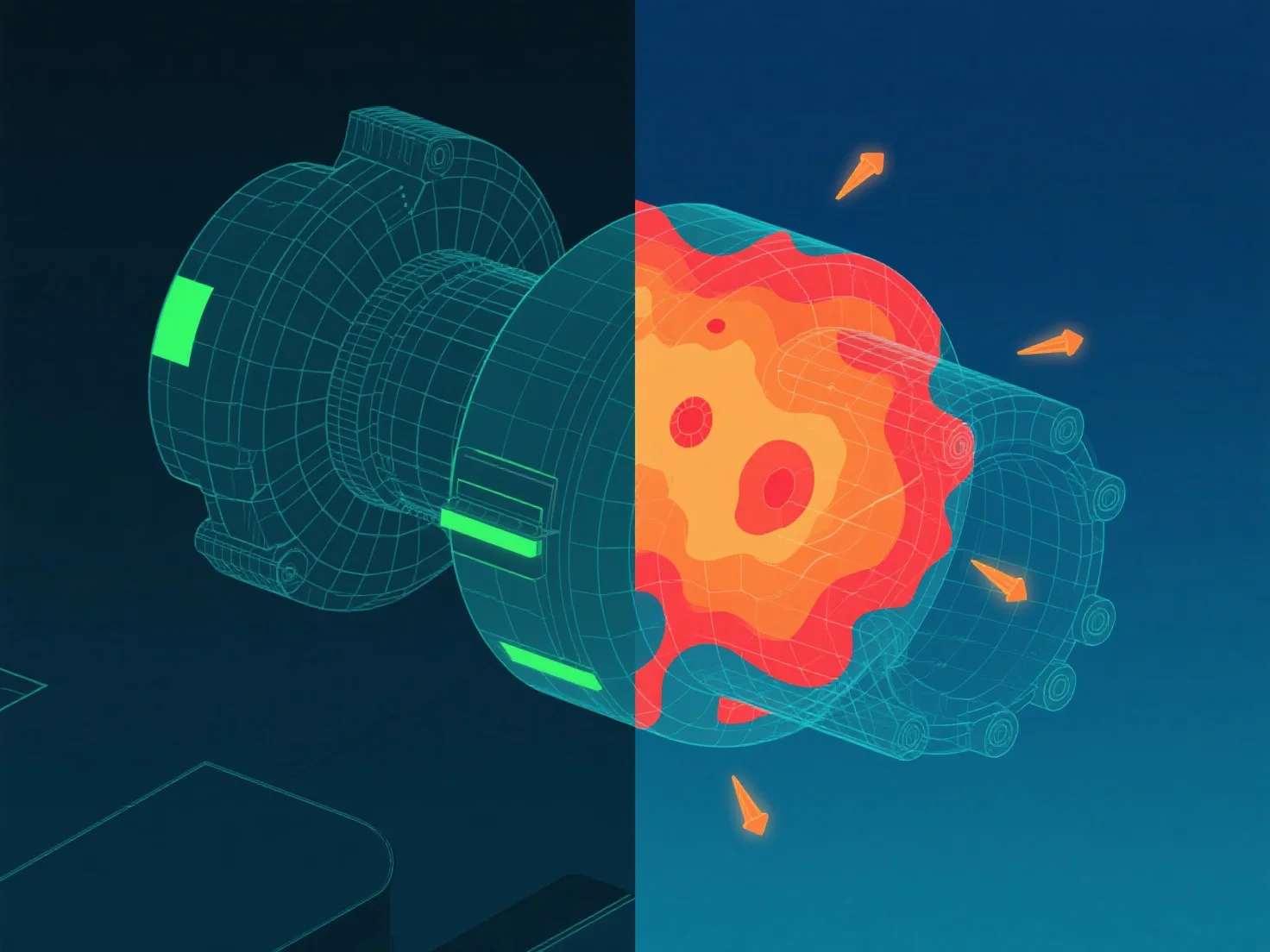
El modelado 3D mejora la evaluación de la seguridad del diseño industrial al permitir la prueba virtual de aspectos estructurales, operativos y de cumplimiento, lo que reduce la dependencia de prototipos físicos.
- **Simulación virtual de estrés/impacto**: Prueba la resistencia del material, los límites de carga y los riesgos de colisión para identificar puntos débiles de forma temprana, evitando fallas en el mundo real. - **Análisis de escenarios operacionales**: Simula el uso real (por ejemplo, movimiento de maquinaria) para detectar peligros como puntos de pinzamiento o sobrecalentamiento antes de la producción. - **Verificación de cumplimiento**: Compara los modelos 3D con los estándares de seguridad.
Este enfoque reduce el tiempo de prueba, reduce los costos y aumenta la precisión, haciendo que las evaluaciones de seguridad sean más eficientes y exhaustivas.