


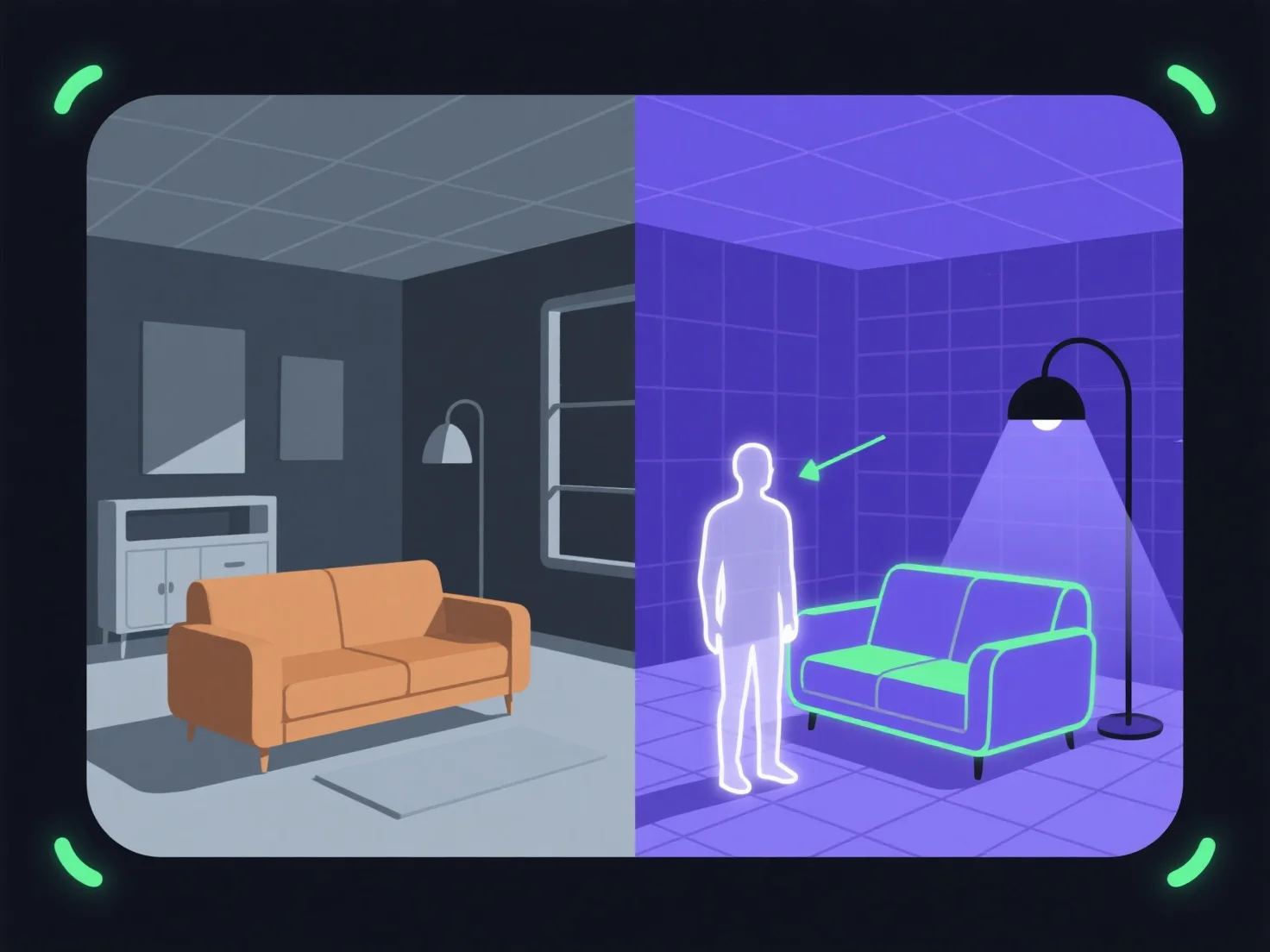
El modelado 3D ayuda a comparar varias opciones de diseño de RV mediante la creación de réplicas digitales detalladas e interactivas, lo que permite una evaluación paralela de las relaciones espaciales, la estética visual y el rendimiento funcional.
- **Claridad espacial**: Transforma ideas abstractas en activos 3D tangibles, lo que facilita la evaluación del diseño, la escala y el flujo de navegación a través de diferentes opciones de diseño. - **Pruebas visuales y funcionales**: Permite probar elementos como la iluminación, las texturas y la interactividad en un entorno virtual, revelando cómo funciona cada diseño en uso. - **Iteración rentable**: Permite realizar ajustes rápidos.
Esto garantiza que los diseñadores identifiquen de manera eficiente la opción de diseño de RV más fácil de usar y visualmente coherente.