


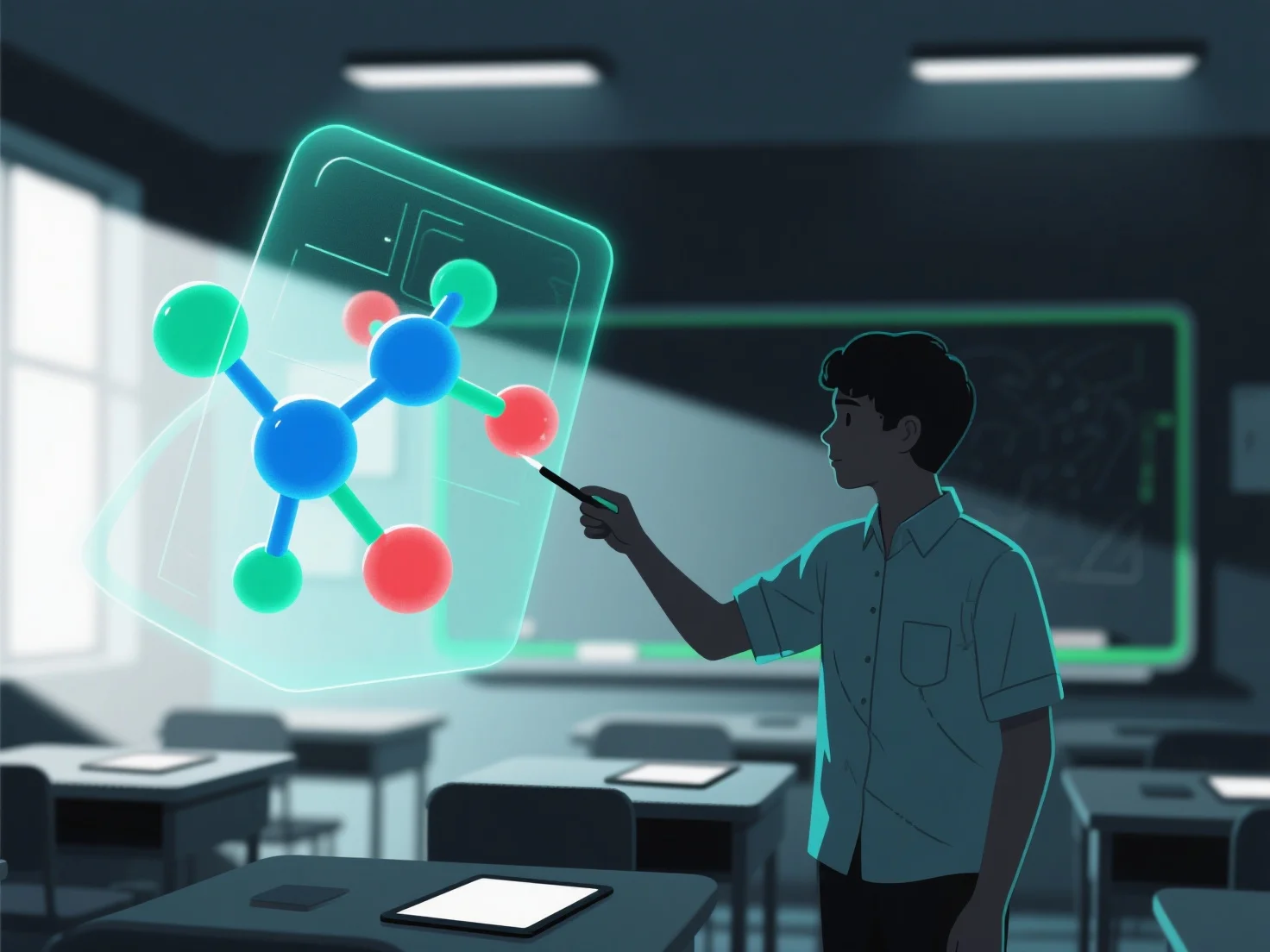
El modelado 3D mejora la experiencia de aprendizaje en educación al hacer que los conceptos abstractos sean tangibles, interactivos y atractivos, transformando el contenido 2D estático en imágenes 3D inmersivas que los estudiantes pueden visualizar y manipular.
Los beneficios clave incluyen: - Visualización: Aclara estructuras complejas (por ejemplo, modelos moleculares, formaciones geológicas) que son difíciles de transmitir a través de libros de texto, profundizando la comprensión. - Interactividad: Fomenta el aprendizaje práctico, como diseñar prototipos de ingeniería o explorar los organelos celulares, promoviendo la resolución activa de problemas. - Participación: Aumenta el interés de los estudiantes a través de escenarios inmersivos.
Los educadores pueden comenzar con herramientas fáciles de usar.