


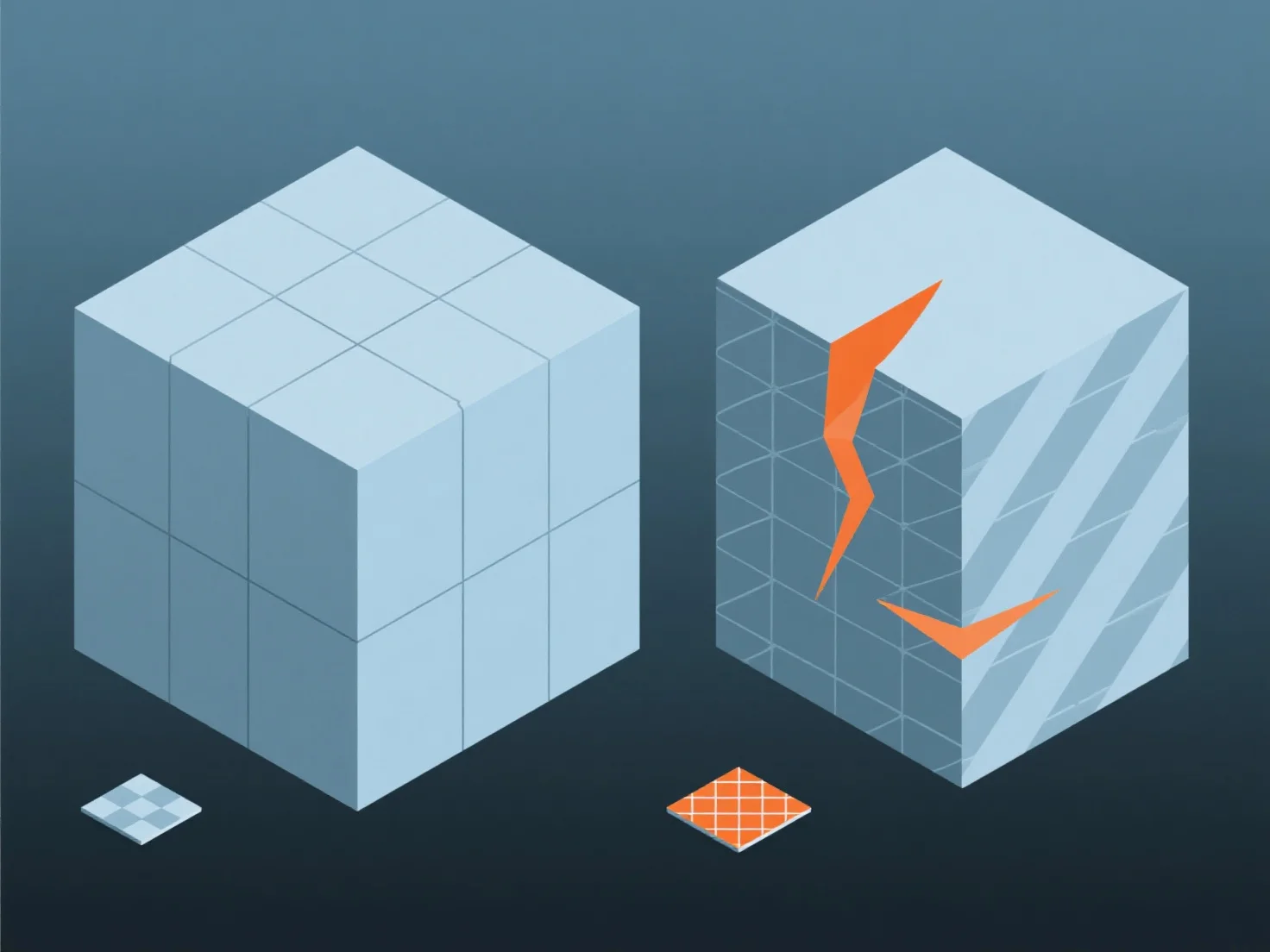
Los estándares de mapeo de texturas mejoran directamente la consistencia de los modelos 3D al establecer reglas uniformes para el manejo de datos de texturas en todas las herramientas, equipos y plataformas.
Los impactos clave incluyen: - Estandarizar las coordenadas de textura (mapeo UV), evitando estiramientos o desalineaciones cuando los modelos se transfieren entre software. - Definir formatos de archivo (por ejemplo, PNG, JPEG) y pautas de resolución, asegurando que las texturas se muestren de manera consistente en diferentes motores de renderizado. - Alinear los parámetros de renderizado.
Al hacer cumplir estas reglas, los estándares reducen las discrepancias visuales y agilizan la colaboración.