


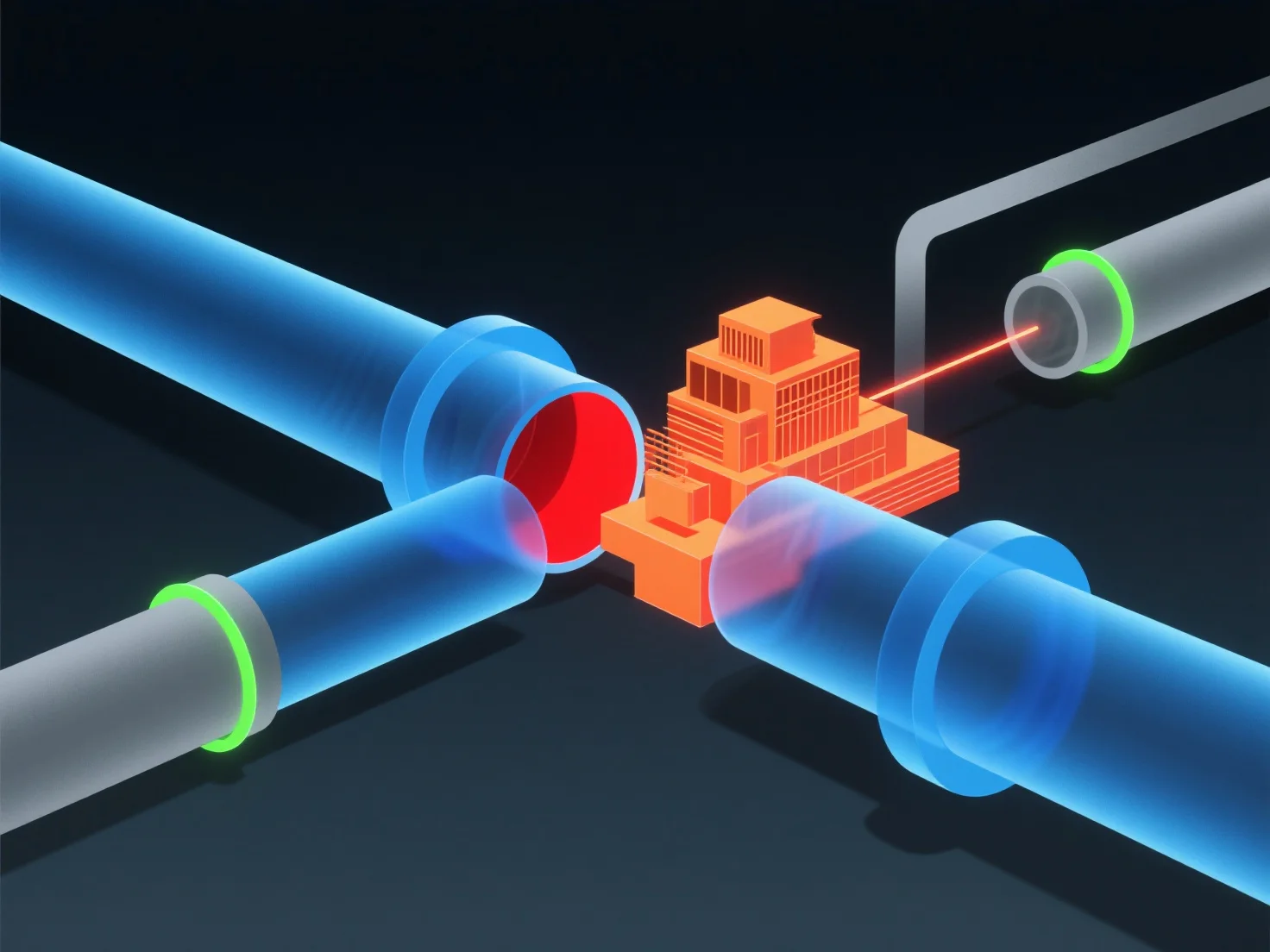
Los cuellos de botella de rendimiento amenazan a los sistemas 3D en tiempo real al causar problemas críticos como retrasos en la renderización, caídas de fotogramas o interacciones de usuario no responsivas, lo que rompe el requisito principal del sistema de una salida visual fluida y de baja latencia.
Las amenazas clave incluyen: - **Experiencia de usuario degradada**: Caídas de fotogramas frecuentes o retrasos interrumpen la inmersión, haciendo que las interacciones sean inestables (por ejemplo, animaciones entrecortadas en juegos o respuestas de RA retrasadas). - **Inestabilidad del sistema**: El hardware/software sobrecargado puede bloquearse bajo cargas elevadas (por ejemplo, escenas complejas con muchos polígonos o iluminación dinámica). - **Limitaciones funcionales**: Los cuellos de botella restringen el manejo de características avanzadas.
Estos problemas, en conjunto, socavan la fiabilidad y la eficacia de los sistemas 3D en tiempo real en los ámbitos de los juegos, la simulación y la visualización profesional.