


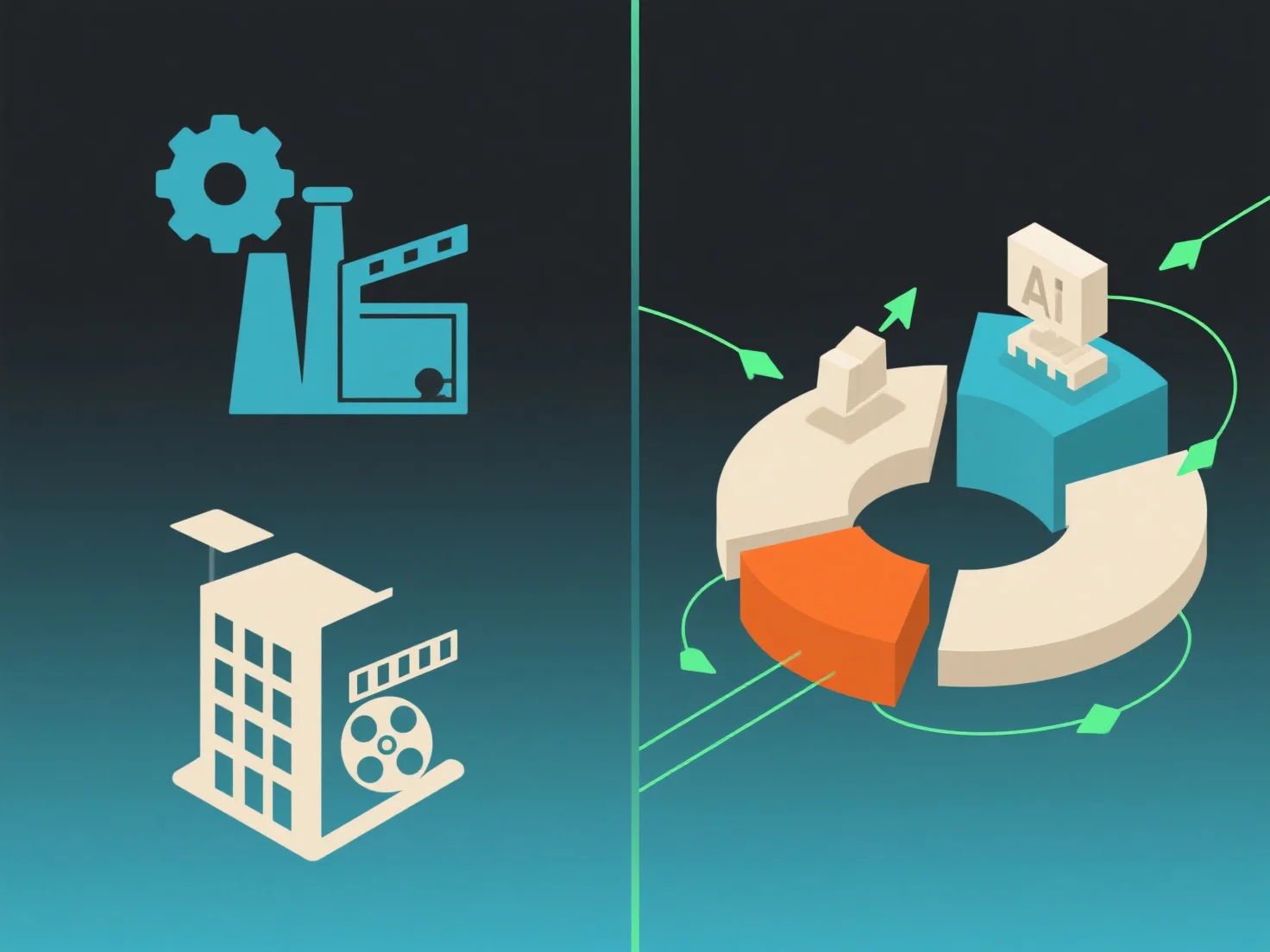
Los requisitos de la industria dan forma a los flujos de trabajo de modelado 3D al definir estándares técnicos, formatos de salida y prioridades de proceso, asegurando así la alineación con los escenarios de aplicación.
Las influencias clave incluyen: - **Estándares técnicos**: Dictan el número de polígonos (por ejemplo, alto para películas, bajo para juegos en tiempo real) y la resolución de texturas para satisfacer las necesidades de calidad o rendimiento. - **Formatos de salida**: Especifican tipos de archivos (por ejemplo, OBJ para impresión 3D, FBX para motores de juegos) para la compatibilidad con herramientas de la industria. - **Prioridades de proceso**: Orientan las herramientas de colaboración.
Esta alineación garantiza que los flujos de trabajo entreguen resultados que cumplan tanto con los requisitos técnicos como con los de la aplicación.