


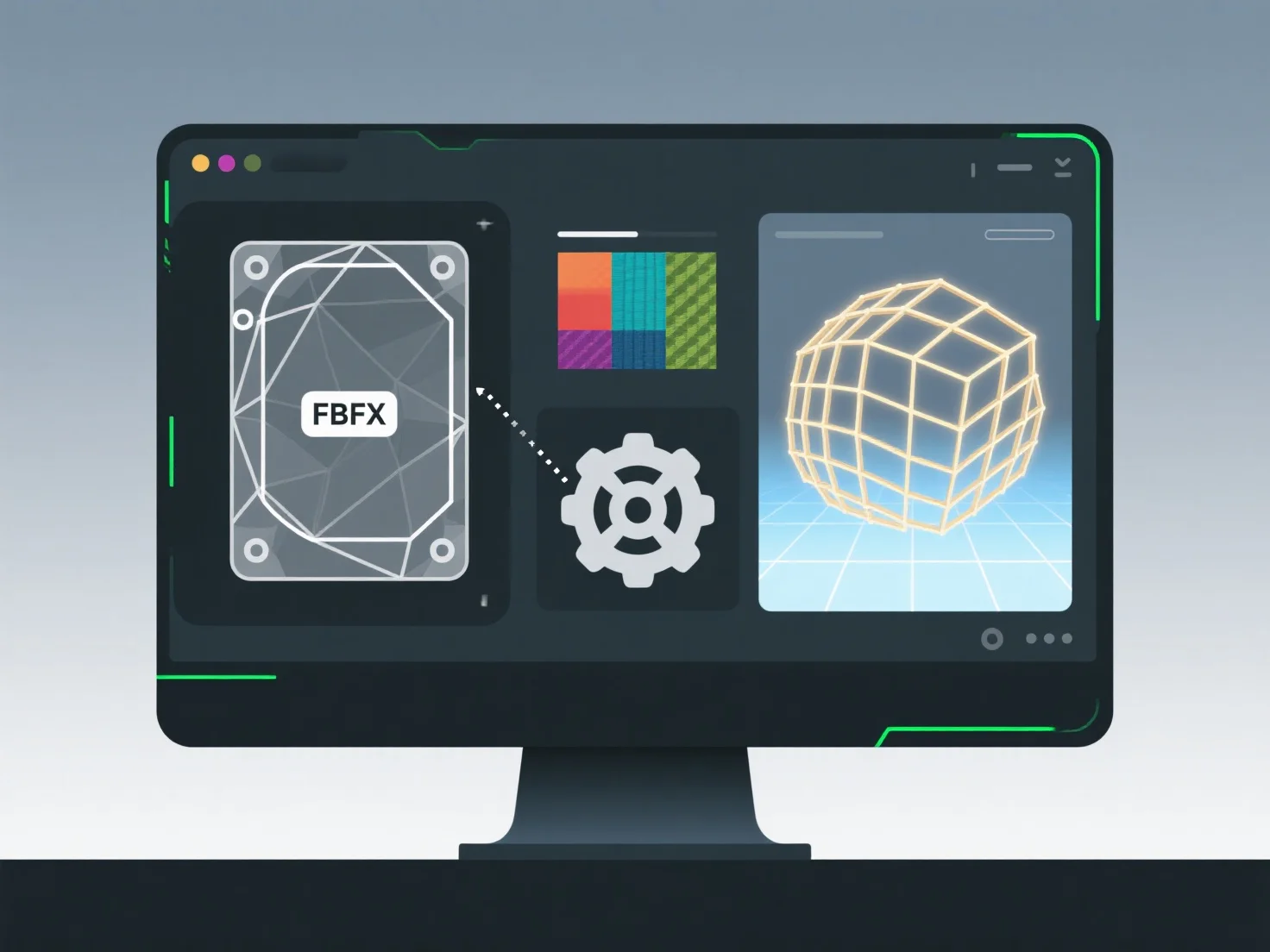
Los motores de juego como Unity manejan la importación de activos 3D a través de un pipeline estructurado que convierte los archivos de origen en formatos optimizados para el motor para su uso en tiempo real.
Los pasos clave incluyen: - Analizar los archivos de origen: admitir formatos como FBX, OBJ o glTF, extraer la geometría, los materiales y las animaciones. - Conversión de geometría: convertir modelos 3D en mallas, optimizar polígonos y calcular normales/tangentes para el renderizado. - Traducción de materiales: convertir los materiales de origen en sombreadores compatibles con el motor, asignando propiedades como texturas y respuestas de iluminación. - Procesamiento de animaciones: hornear fotogramas clave, vincular a rigs y garantizar la compatibilidad con el sistema de animación de Unity.
Este pipeline asegura que los activos se integren con el renderizado, la física y la animación; resuelve problemas de importación al verificar la integridad del archivo o ajustar la configuración.