


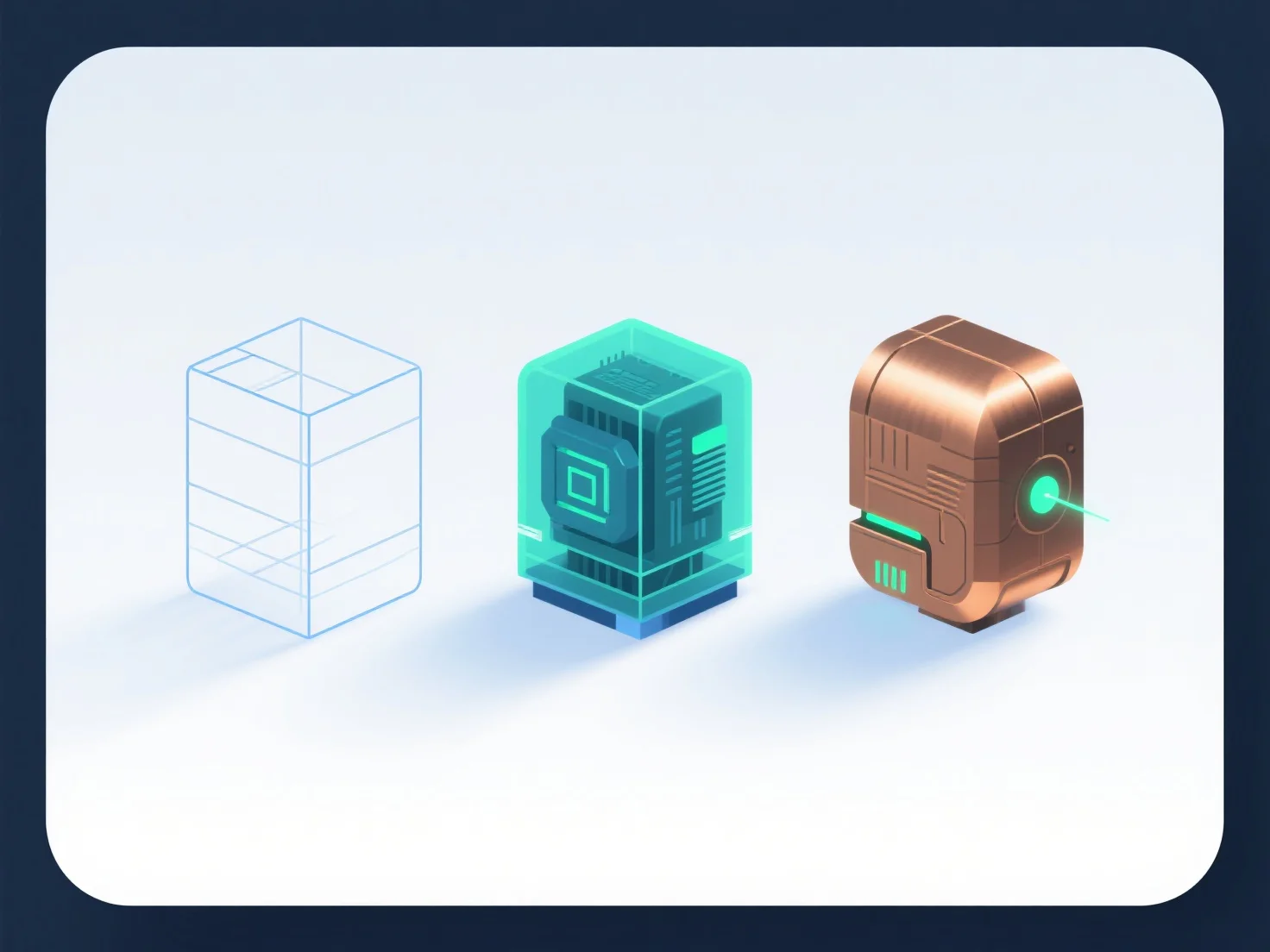
Durante la fase de prototipado del desarrollo de productos, los modelos 3D evolucionan a través de un refinamiento iterativo, impulsado por la retroalimentación del diseño, las pruebas funcionales y las comprobaciones de viabilidad de fabricación. Los pasos clave incluyen: - **Integración de la retroalimentación del diseño**: Ajustar la geometría, las proporciones o la estética en función de la opinión de las partes interesadas para mejorar la usabilidad o el atractivo visual. - **Ajustes de las pruebas funcionales**: Modificar detalles como el espesor estructural o el ajuste de los componentes para mejorar la durabilidad, la ergonomía o el rendimiento en condiciones reales. - **Ajustes de viabilidad de fabricación**: Optimizar las características.
Esta evolución asegura que el modelo 3D pase de un concepto a un diseño práctico y listo para la producción, cumpliendo tanto con los objetivos de diseño como con los requisitos del mundo real.