


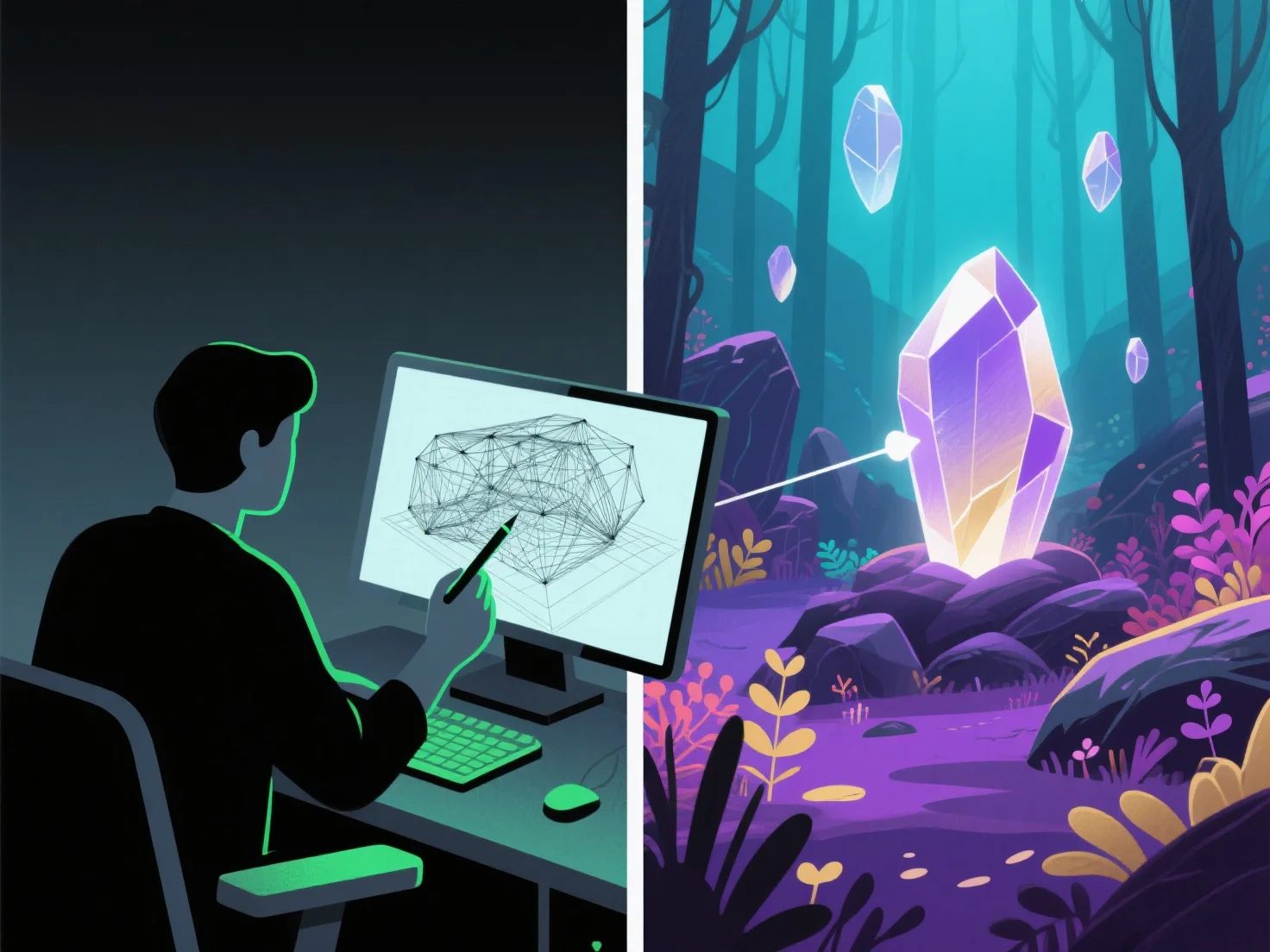
Los modeladores 3D diseñan entornos de realidad virtual equilibrando la inmersión, la funcionalidad y la optimización del hardware a través de un proceso estructurado.
Comienzan definiendo las necesidades de interacción del usuario y la escala espacial para garantizar la usabilidad, luego crean bocetos iniciales o guiones gráficos para delinear el diseño y los elementos clave. A continuación, se modelan activos 3D (terreno, objetos, texturas) utilizando software como Blender o Maya, con un enfoque en el recuento de polígonos bajos y tamaños optimizados para evitar retrasos en el hardware de RV. Se agregan iluminación, diseño de sonido y simulaciones de física para aumentar el realismo, mientras que las pruebas iterativas abordan la comodidad del usuario, como por ejemplo, transiciones suaves de la cámara para reducir la cinetosis.
Para principiantes, comenzar con escenas simples en Unity o Unreal Engine ayuda a desarrollar habilidades fundamentales en optimización centrada en el usuario.