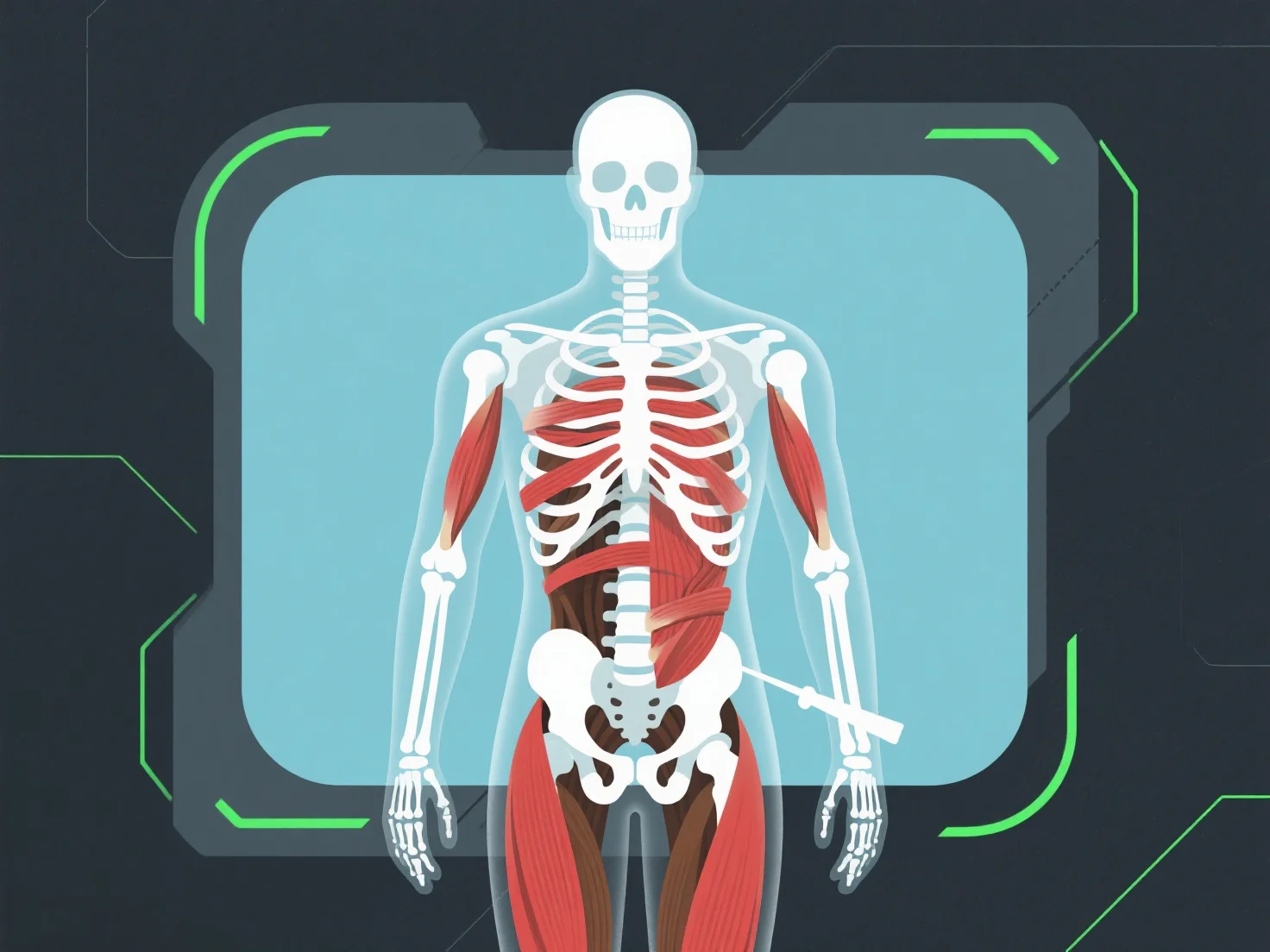
Los sistemas esquelético y muscular en modelos humanos en 3D se representan a través de jerarquías óseas estructuradas y simulaciones musculares dinámicas vinculadas al movimiento de las articulaciones. El esqueleto se modela como una cadena jerárquica de huesos con articulaciones definidas, formando el marco rígido del modelo. Los músculos se representan típicamente de dos formas: ya sea como mallas deformables unidas a los huesos o mediante simulaciones basadas en la física que imitan la contracción y la relajación. Esta integración permite un movimiento realista. Los músculos se estiran o abultan a medida que los huesos giran en las articulaciones, lo que lo hace ampliamente utilizado en la visualización médica, la animación de personajes y la investigación biomecánica.


¿Cómo se representan los sistemas esquelético y muscular en los modelos humanos en 3D?
Los modelos humanos en 3D utilizan jerarquías óseas estructuradas y simulaciones musculares dinámicas para lograr movimientos realistas en diversos campos.