


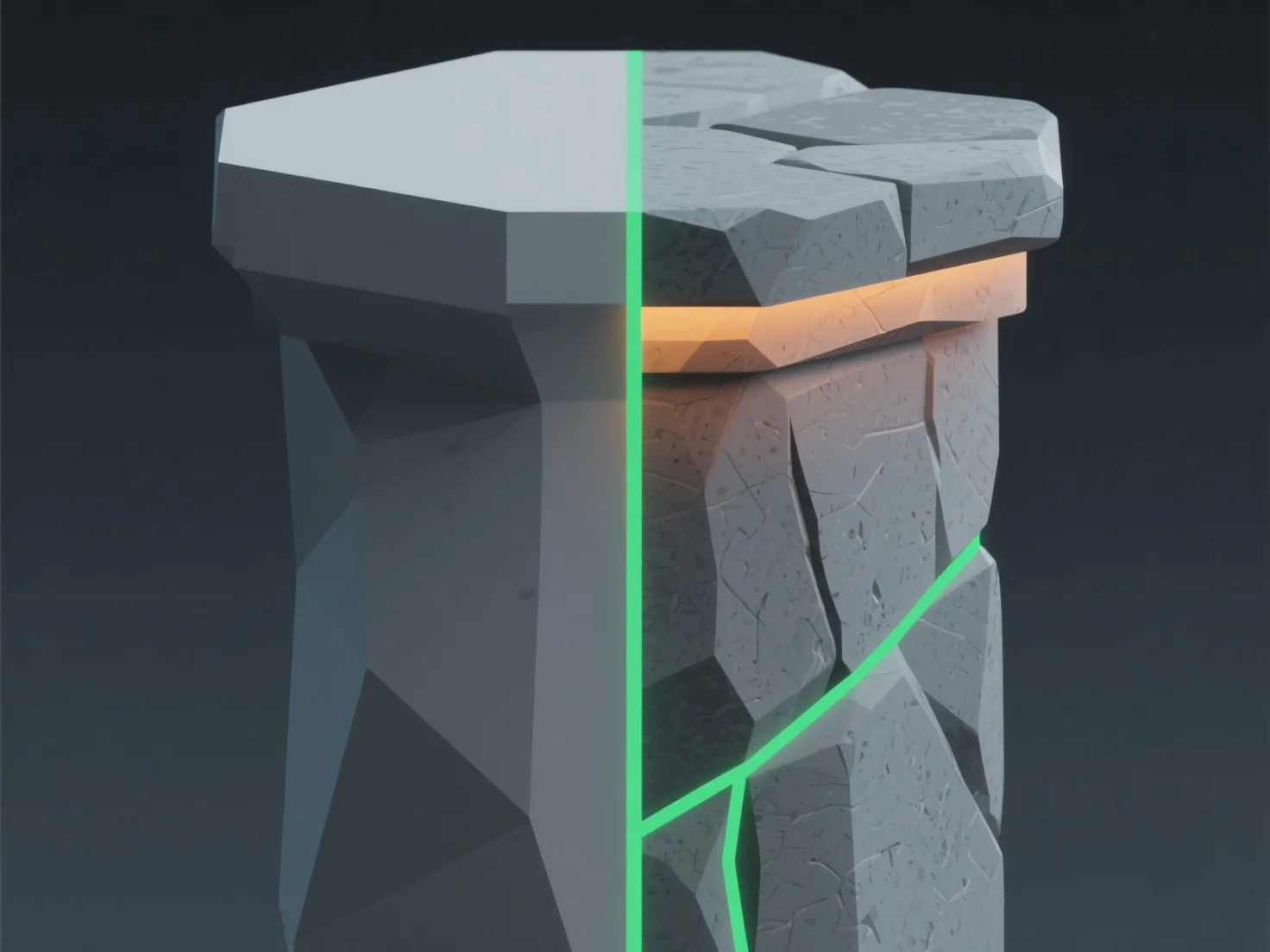
Textur-Mapping ist im 3D-Workflow von entscheidender Bedeutung, da es 3D-Modellen realistische Oberflächendetails hinzufügt, ohne die geometrische Komplexität zu erhöhen, und sie so visuell lebensecht macht.
- Simuliert Kerneigenschaften von Oberflächen: Es repliziert reale Attribute wie Farbe, Muster und Textur (z. B. Holzmaserung, Stoff), um einfache Modelle in detaillierte, verständliche Darstellungen zu verwandeln. - Fördert branchenspezifischen Realismus: In Spielen schafft es immersive Umgebungen; in der Animation fügt es Charaktertiefe hinzu; im Produktdesign zeigt es Materialoberflächen präzise, um branchenspezifische visuelle Anforderungen zu erfüllen. - Balanciert Qualität und Effizienz: Es vermeidet eine übermäßige Komplizierung der Geometrie und hält Projekte leichtgewichtig, während gleichzeitig hohe visuelle Standards eingehalten werden. Dies ist entscheidend für ein reibungsloses Rendering und einen effizienten Workflow.
Durch die Vereinigung von Details mit Effizienz bleibt Textur-Mapping von grundlegender Bedeutung für die Erstellung überzeugender, lebensechter 3D-Assets.