


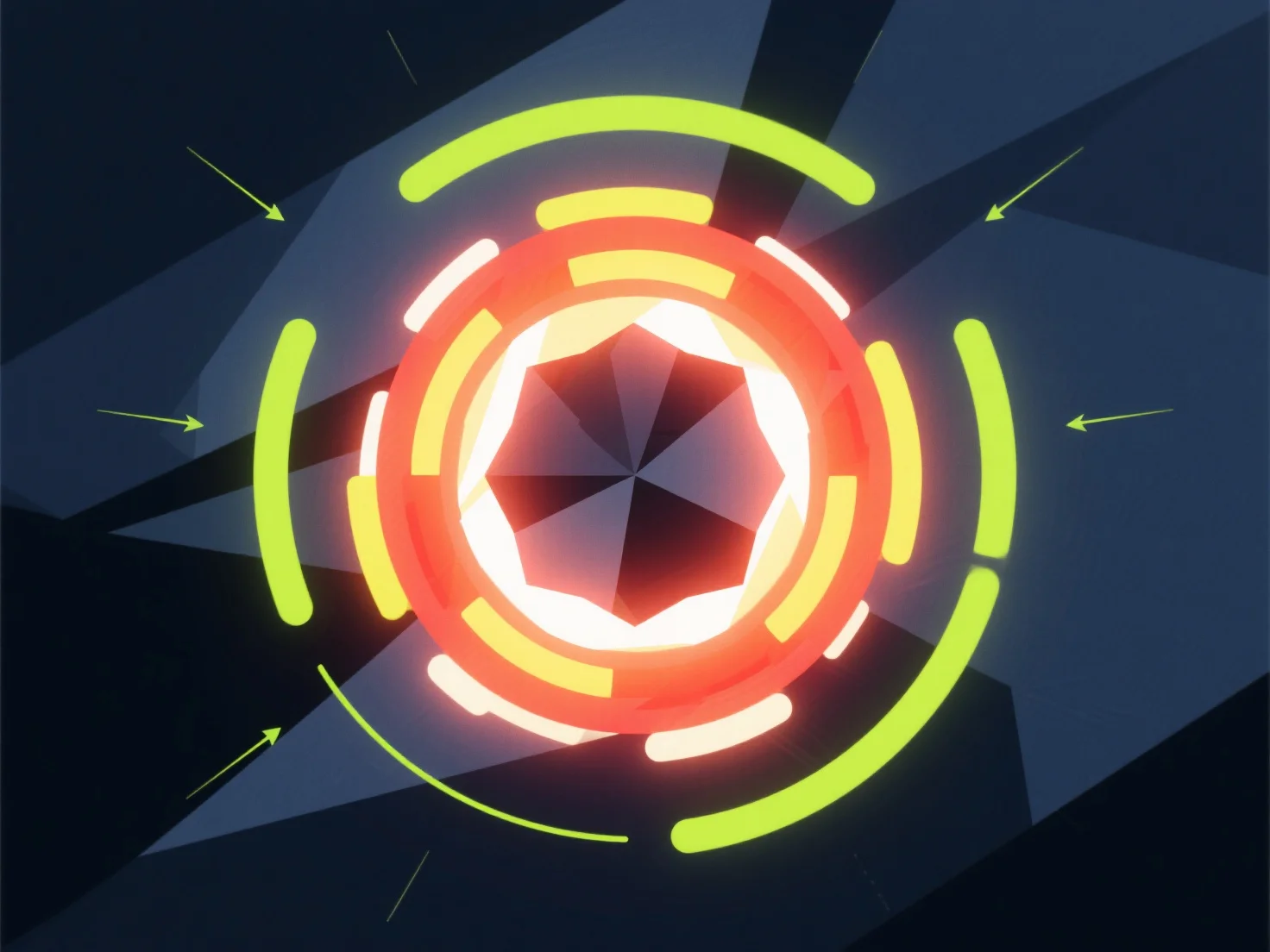
Blur in 3D-Rendering ist ein visueller Effekt, der die natürliche Streuung von intensivem Licht simuliert und einen weichen, leuchtenden Halo um helle Lichtquellen oder Objekte erzeugt. Dies wird durch einen mehrstufigen Prozess erreicht.
Zuerst isolieren Sie helle Bereiche: Identifizieren und trennen Sie Regionen im gerenderten Bild mit hoher Luminanz, wie z. B. Lichtquellen oder reflektierende Oberflächen.
Als nächstes verwischen Sie die hellen Bereiche: Wenden Sie Weichzeichnen (oftmals Gaußscher Weichzeichner) auf diese isolierten Bereiche an, um zu simulieren, wie Licht in der Atmosphäre gestreut wird, wodurch die Kanten weicher werden und das Licht sich ausbreitet.
Zum Schluss fusionieren Sie mit dem Originalbild: Kombinieren Sie die verschwommenen hellen Bereiche wieder mit dem Originalbild und mischen Sie sie, um den charakteristischen leuchtenden Effekt zu erzeugen.
Dieser Prozess verbessert den Realismus, indem er die Wahrnehmung von hellem Licht durch das menschliche Auge nachahmt und 3D-Szenen immersiver macht.