


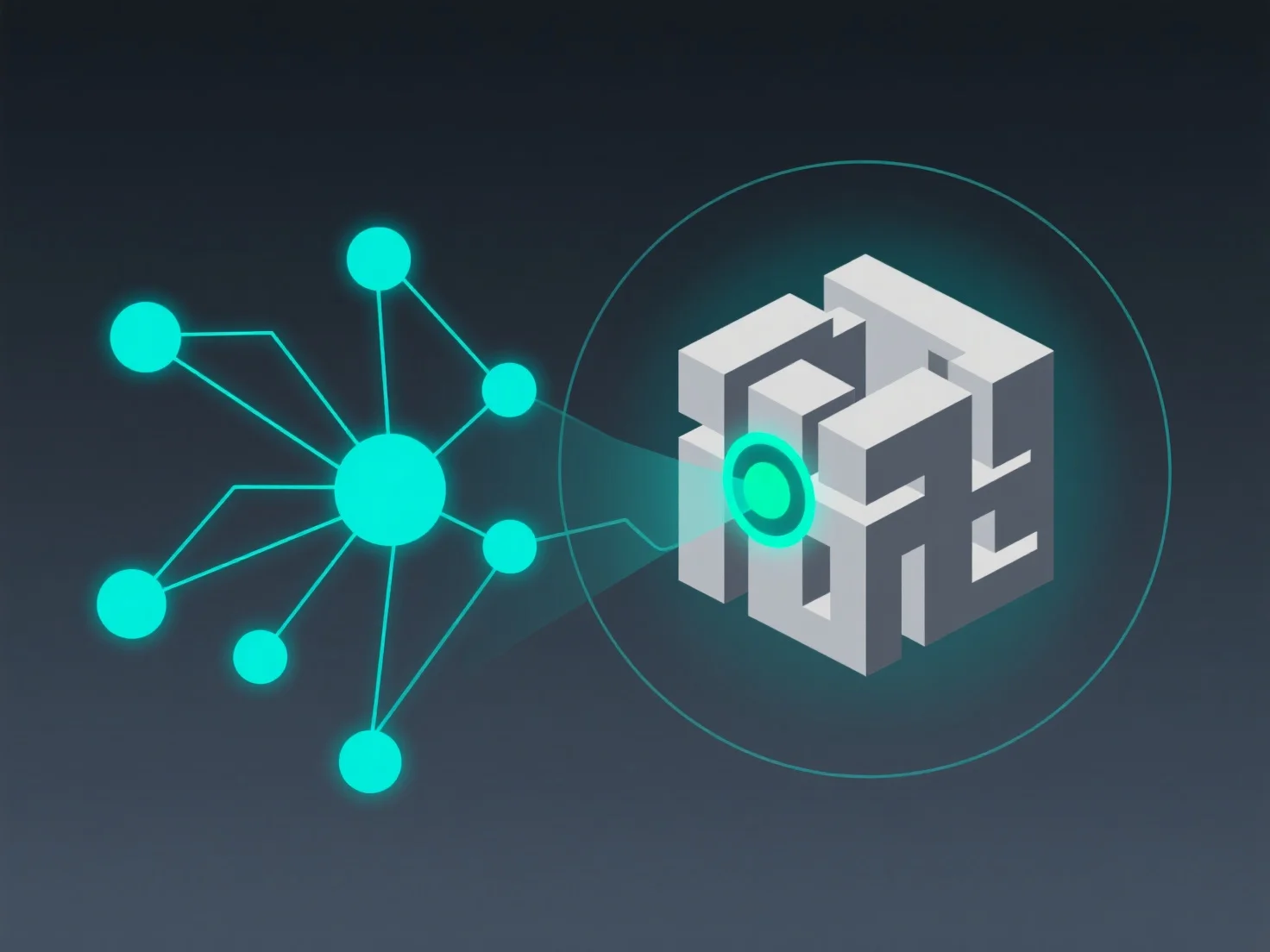
Die prozedurale Modellierung in der 3D-Design ist eine Methode zur Erstellung von 3D-Modellen mithilfe von Algorithmen, Regeln oder mathematischen Funktionen anstelle einer manuellen Bearbeitung Punkt für Punkt.
Es automatisiert die Modellgenerierung, indem es Parameter definiert.
Es ist ideal für großflächige Umgebungen (wie Gelände oder Wälder) oder sich wiederholende Elemente (wie Gebäudefassaden oder Vegetation), bei denen die manuelle Modellierung zeitaufwändig und ineffizient wäre.
Tools wie Blenders Geometry Nodes oder Houdini nutzen diese Logik. Die Anpassung grundlegender Parameter hilft, die Ergebnisse von Modellen zu gestalten, was für eine skalierbare, konsistente Erstellung von 3D-Assets von entscheidender Bedeutung ist.