


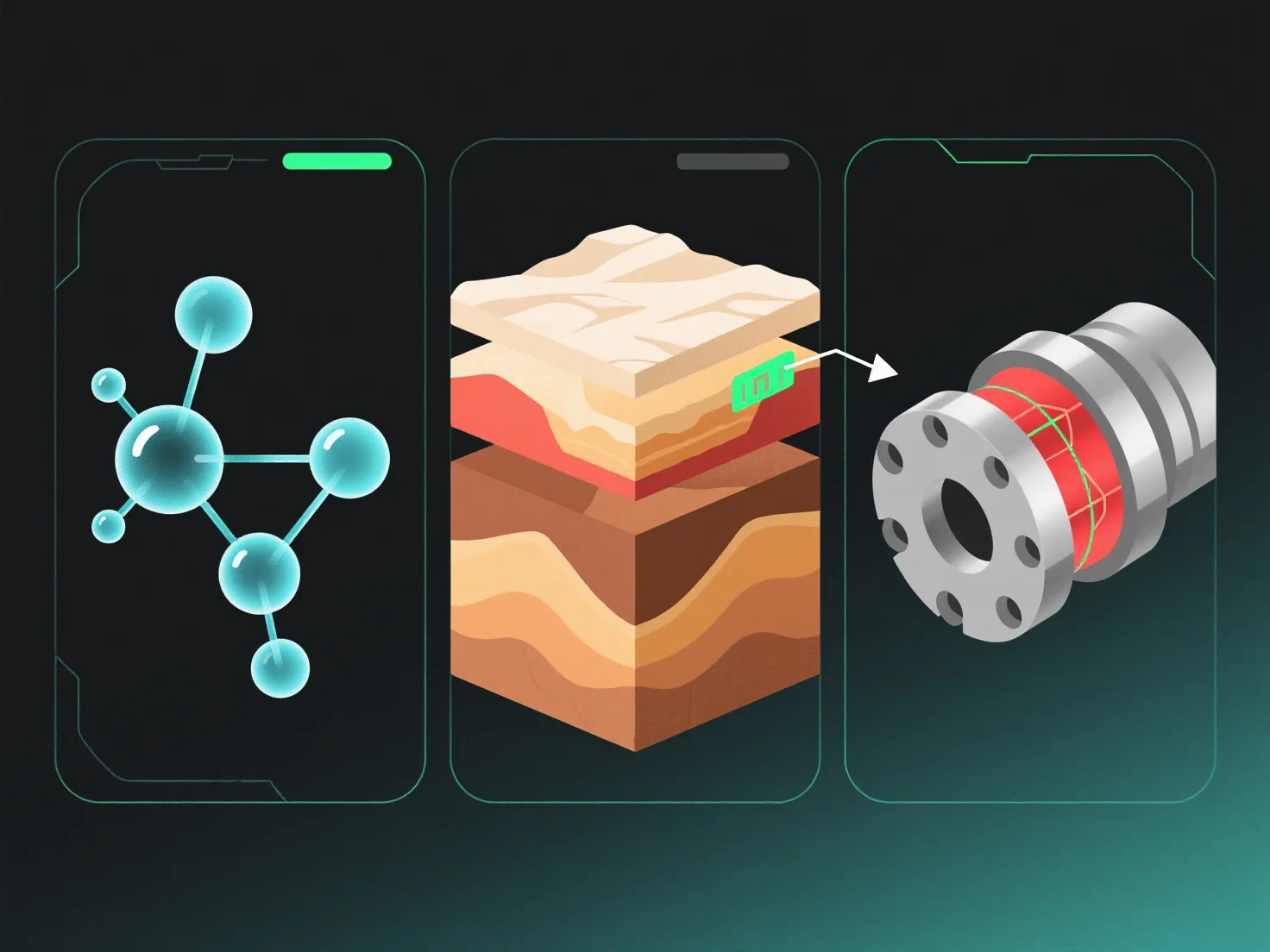
Typische Anwendungen der 3D-Modellierung in der wissenschaftlichen Forschung umfassen die Visualisierung komplexer Strukturen, die Simulation dynamischer Prozesse und die Ermöglichung einer kollaborativen Analyse.
Es verwandelt abstrakte Daten in greifbare 3D-Darstellungen und verbessert so das Verständnis und die Kommunikation der Forscher über ihre Erkenntnisse durch detailliertes Rendering und Visualisierung.
Schlüsselanwendungen in verschiedenen Disziplinen: - Biologie: Modellierung von Molekularstrukturen (z. B. Proteine) oder Organsystemen, um Wechselwirkungen und Funktionen zu untersuchen. - Geologie: Rekonstruktion von Gelände, Gesteinsformationen oder Untergrundstrukturen zur Analyse geologischer Prozesse. - Archäologie: Digitale Restaurierung von Artefakten oder antiken Stätten zur Erhaltung und detaillierten Untersuchung. - Physik: Simulation von Teilchenkollisionen oder Fluiddynamik zur Überprüfung von Hypothesen und Vorhersage von Ergebnissen. - Klimawissenschaften: Erstellung von 3D-Modellen von Wettersystemen, Gletschern oder Kohlenstoffkreisläufen zur Untersuchung der Auswirkungen des Klimawandels.
Für neue Forscher bieten Open-Source-Tools wie Blender einen praktischen Ausgangspunkt, um 3D-Modellierung in ihrem Fachgebiet zu erkunden.