


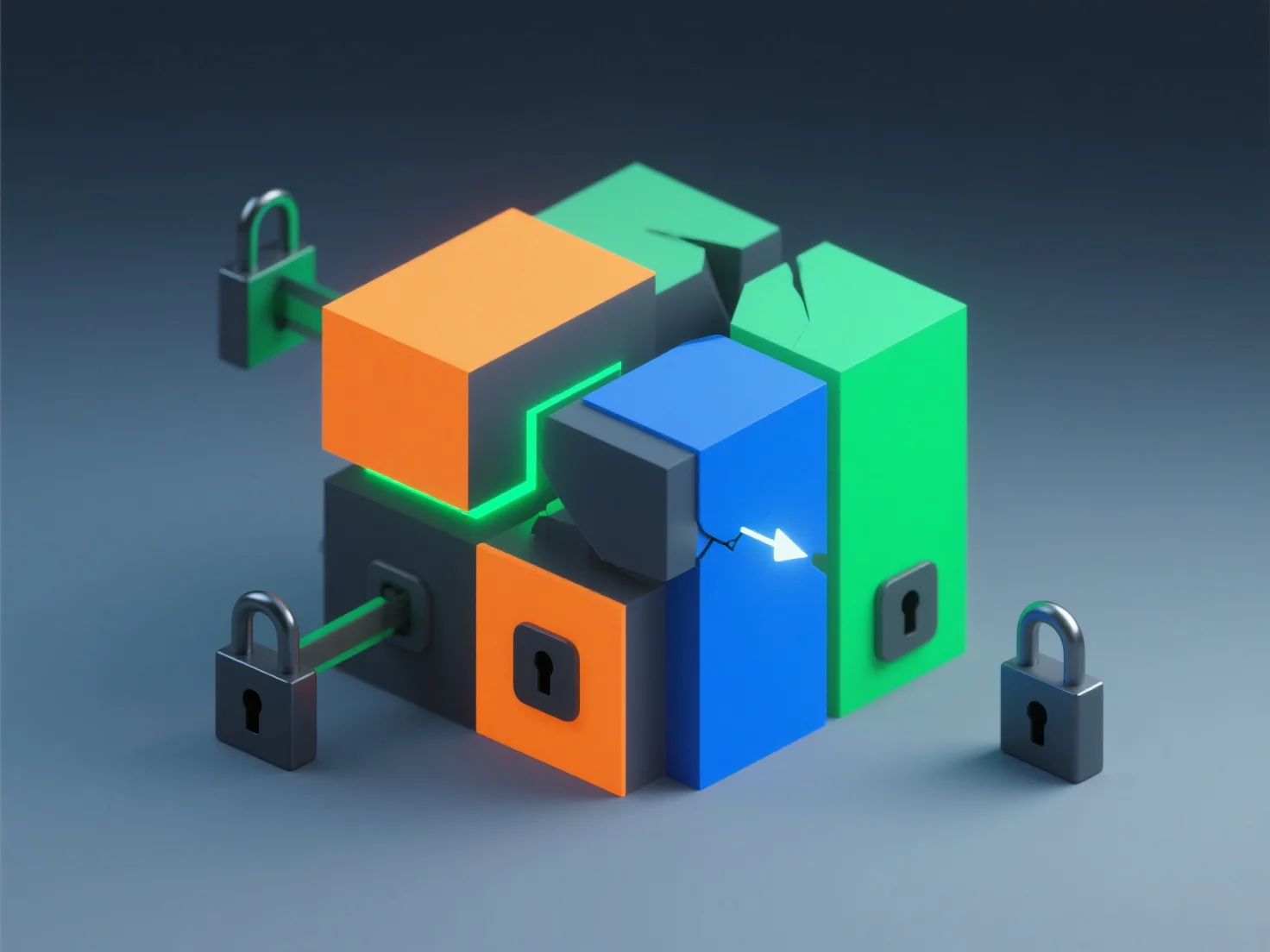
Die Hauptrisiken proprietärer Standards in 3D-Workflows umfassen Herstellerabhängigkeit, eingeschränkte Interoperabilität und potenzielle Unzugänglichkeit von Assets, was die Flexibilität verringert und die langfristigen Kosten erhöht.
- **Anbieterabhängigkeit**: Die Abhängigkeit von den proprietären Standards eines einzelnen Anbieters schränkt den Wechsel zu anderen Tools ein und schafft eine Abhängigkeit, die im Laufe der Zeit zu höheren Lizenz- oder Upgrade-Kosten führen kann. - **Interoperabilitätsbarrieren**: Geschlossene Formate behindern den Datentransfer zwischen verschiedenen 3D-Softwareprogrammen, erfordern zusätzliche Konvertierungstools und führen häufig zu Datenverlusten (z. B. Texturen, Animationen) während des Transfers. - **Anfälligkeit von Assets**: Wenn ein Anbieter den Support für sein proprietäres Format einstellt, können bestehende Assets nicht mehr geöffnet werden, was zum dauerhaften Verlust wertvoller 3D-Arbeiten führen kann.
Um diese Risiken zu mindern, sollten Sie Assets regelmäßig in offenen, weit verbreiteten Formaten wie OBJ oder glTF sichern.