


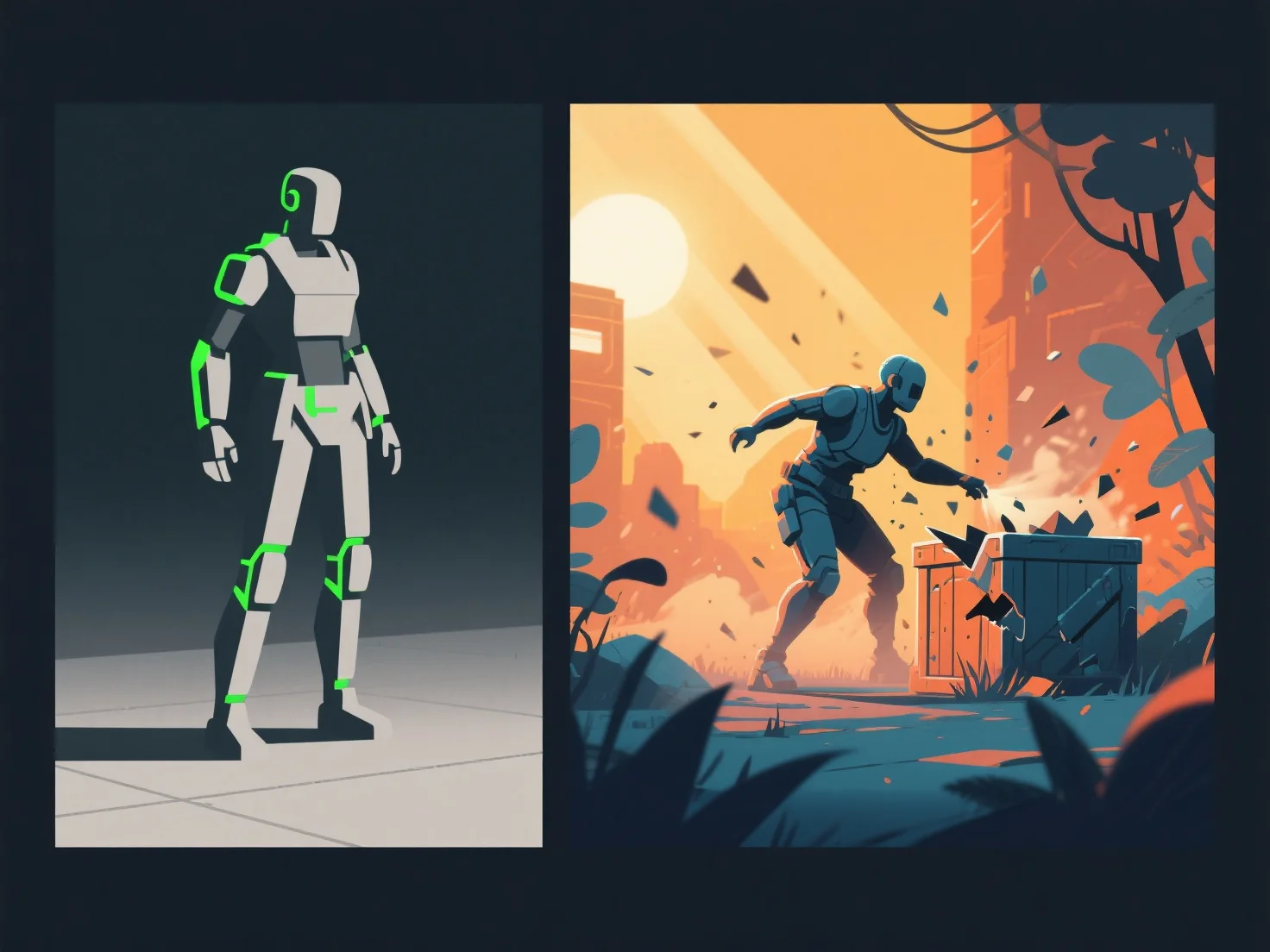
Der Hauptvorteil von Echtzeit-Rendering in Videospielen ist seine Fähigkeit, dynamisches, sofortiges visuelles Feedback zu den Aktionen des Spielers zu liefern, was die Interaktivität und Immersion erheblich steigert.
Im Gegensatz zu vorgerenderten Inhalten erzeugt es Grafiken während des Spielverlaufs, was Echtzeit-Anpassungen an Spielerbewegungen, Umgebungsänderungen oder Lichtveränderungen ermöglicht. Dadurch fühlt sich die Spielwelt reaktionsfähig und lebendig an.
Es zeichnet sich durch hervorragende Leistungen in Open-World-Spielen, Multiplayer-Spielen oder Spielen mit dynamischen Wetter-/Tag-Nacht-Zyklen aus und gewährleistet eine reibungslose, verzögerungsfreie Leistung, selbst bei häufigen Szenenwechseln.
Für Entwickler unterstützt es die Erstellung eines ansprechenden, interaktiven Gameplays, indem es auf natürliche Weise auf Benutzereingaben reagiert und eine tiefere Verbindung zwischen den Spielern fördert.
Insgesamt ist Echtzeit-Rendering für moderne Spiele, die Interaktivität und dynamische Welten priorisieren, von entscheidender Bedeutung.