


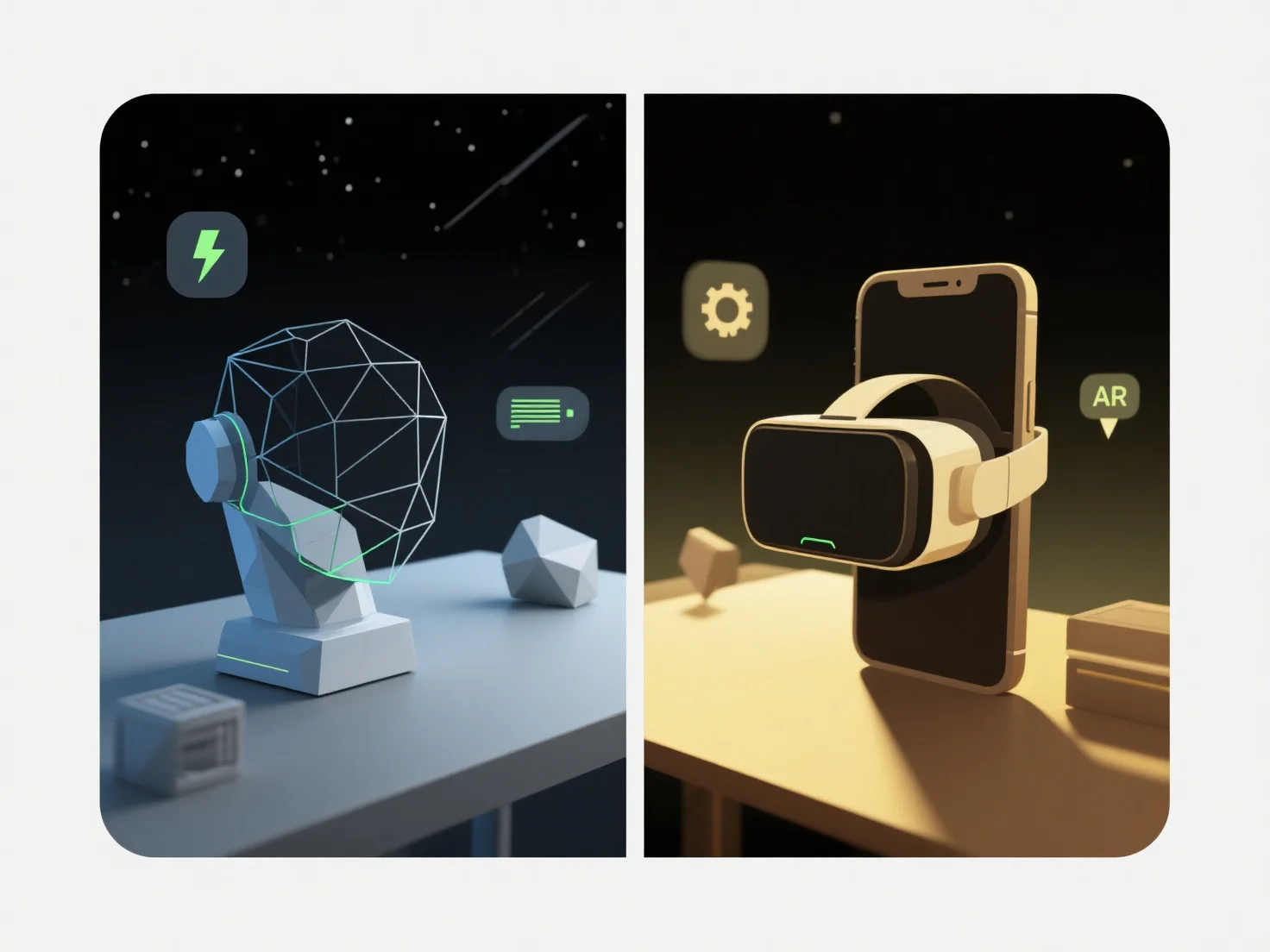
3D-Modelle für virtuelle und Augmented-Reality-Umgebungen müssen grundlegende Anpassungsanforderungen erfüllen: Optimierung der Polygonanzahl, Gewährleistung der Texturkompatibilität und Unterstützung von Echtzeit-Interaktion, wobei die visuelle Qualität mit der Laufzeitleistung in Einklang gebracht werden muss, um Verzögerungen zu vermeiden und das Eintauchen in die Umgebung aufrechtzuerhalten.
- **Anzahl der Polygone**: Verwenden Sie Low-Poly-Modellierung, um die Rechenlast zu reduzieren, da eine hohe Anzahl von Polygonen zu Verzögerungen beim Rendering auf AR/VR-Hardware führen kann. - **Texturen**: Verwenden Sie PBR-Workflows (Physically Based Rendering) für realistische Beleuchtung und Schattierung, um die Kompatibilität mit AR/VR-Rendering-Engines sicherzustellen. - **Echtzeit-Interaktion**: Entwerfen Sie Modelle, die reibungslos auf Benutzereingaben reagieren, und passen Sie sie an die Verarbeitungslimits der Hardware an, um die Reaktionsfähigkeit aufrechtzuerhalten.
Letztendlich stellt das Testen von Modellen auf den Ziel-AR/VR-Plattformen sicher, dass sie reibungslos gerendert werden und ein immersives Erlebnis bieten.