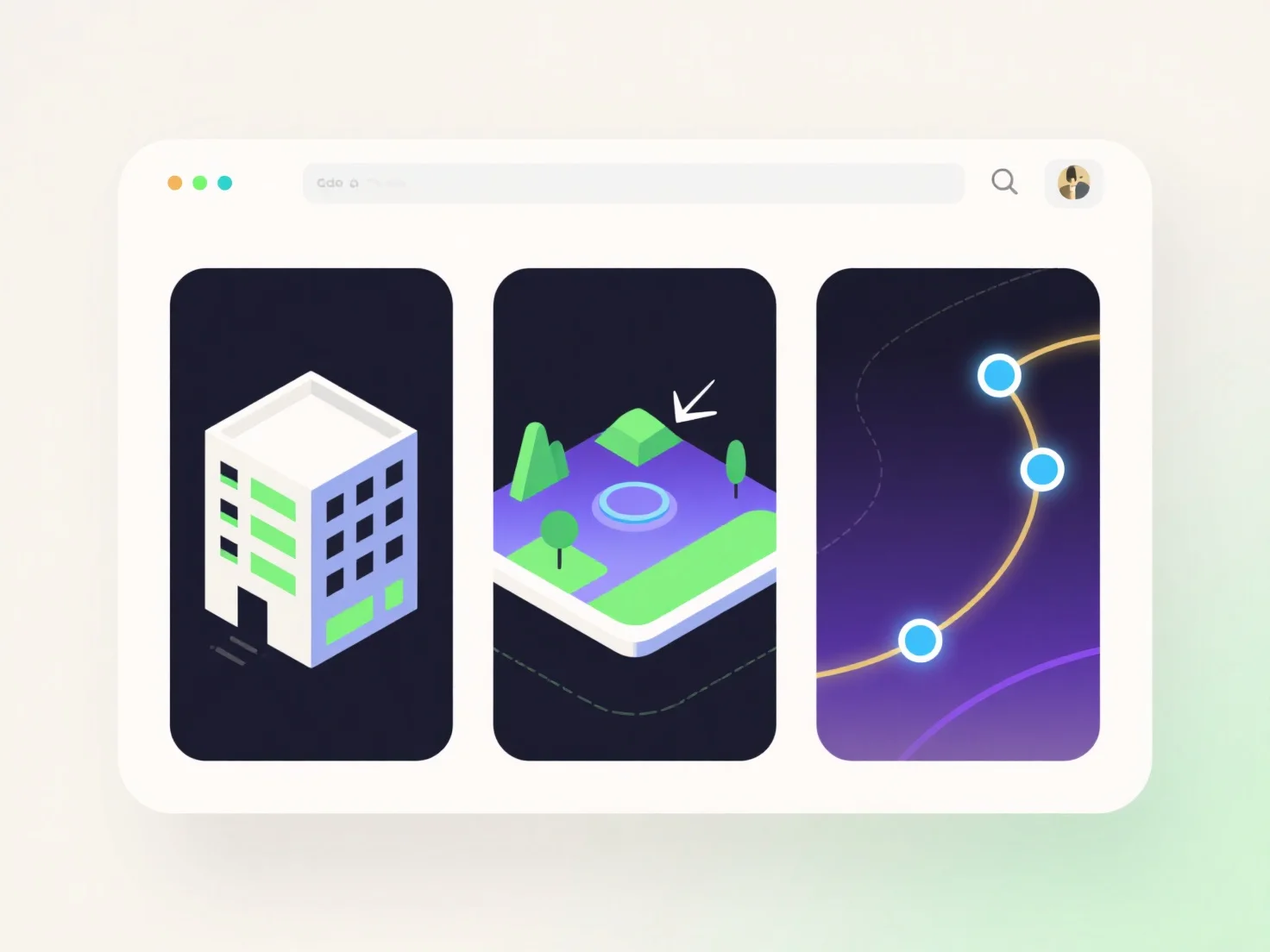
Die Web3D-Technologie entwickelt sich für browserbasierte 3D-Erlebnisse weiter, indem sie die Leistung verbessert, die Entwicklung vereinfacht und die Zugänglichkeit über verschiedene Geräte hinweg erweitert. Zu den wichtigsten Fortschritten gehören: 1. Leichtere 3D-Asset-Formate


Wie entwickelt sich die Web3D-Technologie für browserbasierte 3D-Erlebnisse?
Web3D entwickelt sich für Browser-3D durch bessere Leistung, einfachere Entwicklung und geräteübergreifende Zugänglichkeit mit wichtigen Fortschritten weiter.