


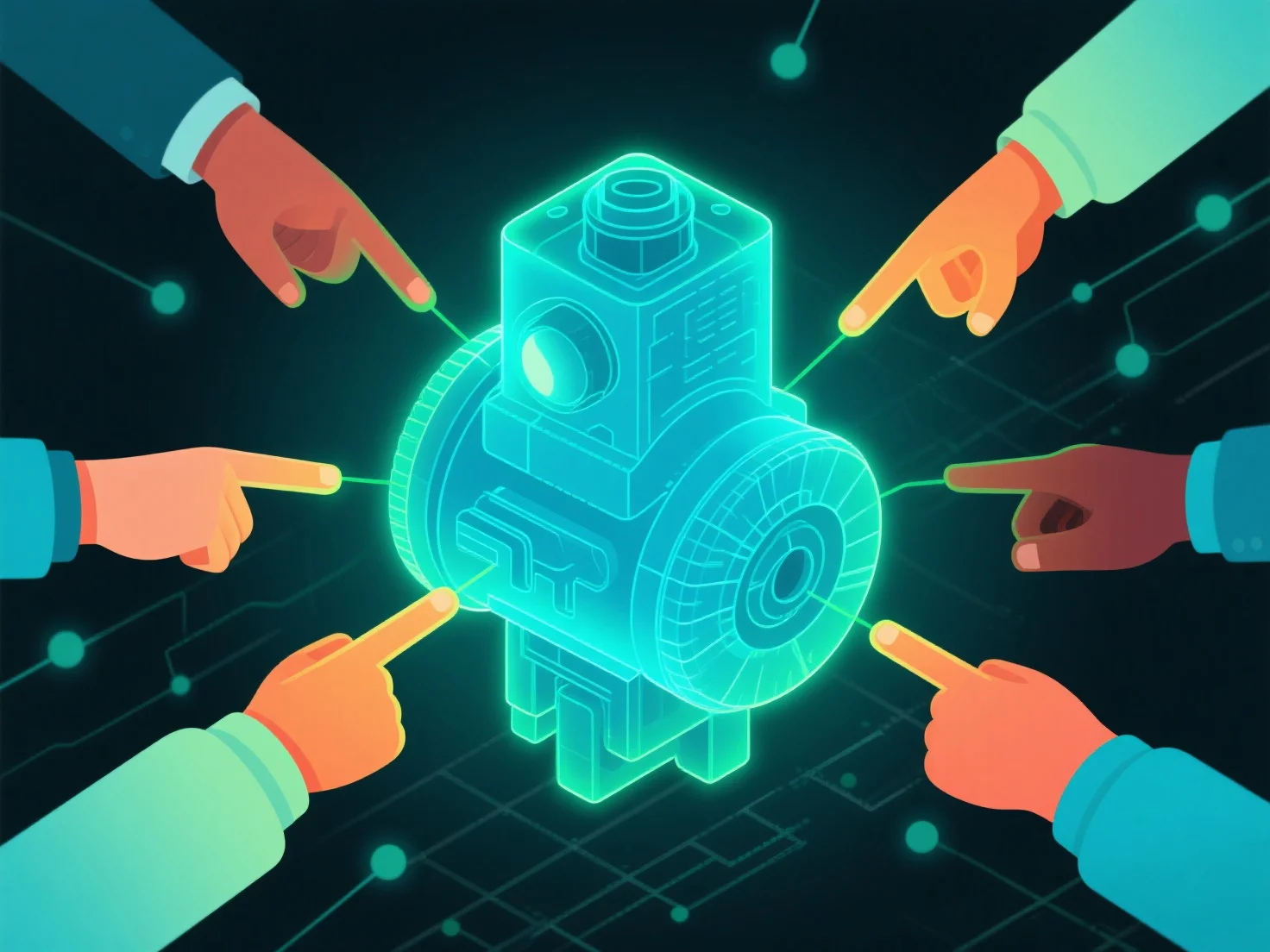
Die 3D-Modellierung für den internen Wissensaustausch wird durch die Integration in digitale Kollaborationsplattformen umgesetzt, um komplexe Konzepte oder Objekte zu visualisieren und die Effizienz des Wissenstransfers zu verbessern.
Wichtige Schritte umfassen: - Die Verwendung von leichtgewichtigen 3D-Formaten (z. B. glTF, USDZ), um die Kompatibilität mit gängiger Software zu gewährleisten und Zugangshürden für Teams mit unterschiedlichem technischem Hintergrund zu reduzieren. - Die Einbettung von Modellen in interne Tools (z. B. SharePoint, Teams) für eine einfache gemeinsame Nutzung und Echtzeit-Zusammenarbeit, um einen schnellen Zugriff auf visuelles Wissen zu ermöglichen. - Das Hinzufügen von Anmerkungen (Text, Links) zu Modellen, um technische Details zu verdeutlichen und abstrakte Informationen wie Produktdesigns oder mechanische Teile intuitiver zu machen.
Dieser Ansatz transformiert technische Daten in zugängliche 3D-Visualisierungen, wodurch der interne Wissensaustausch effektiver und benutzerfreundlicher wird.