


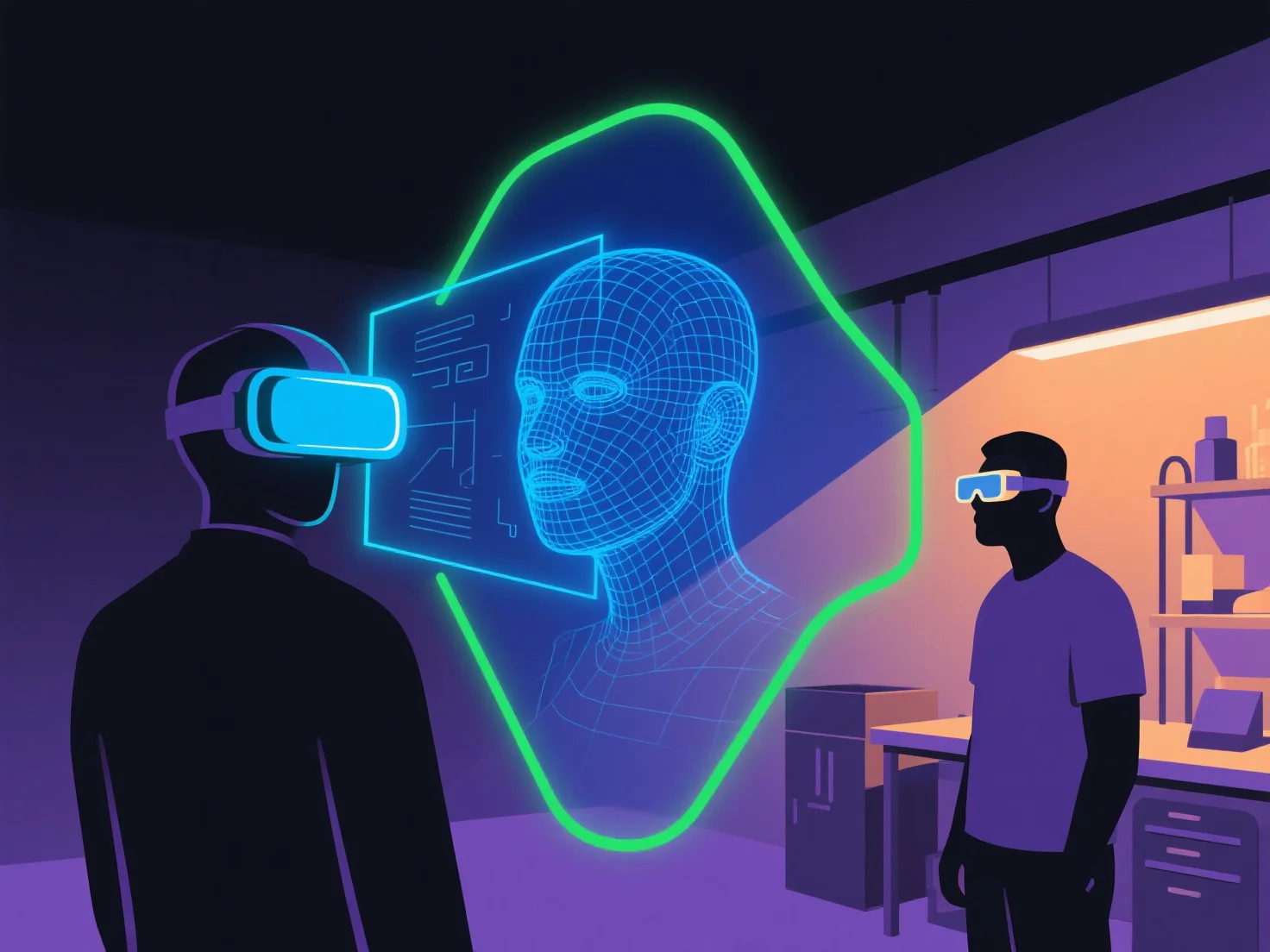
3D-Modellierung wird in VR- und AR-Lösungen eingesetzt, indem zentrale digitale Assets erstellt werden, wie z. B. 3D-Objekte, Umgebungen oder Charaktere, die von Systemen in immersive visuelle Erlebnisse umgewandelt werden. Diese Modelle bilden die Grundlage für die vollständig virtuellen Welten von VR und die Überlagerungen der realen Welt in AR und ermöglichen interaktive, realistische Benutzerinteraktionen.
- **Grundlage für Immersion**: VR stützt sich auf detaillierte 3D-Modelle, um vollständig virtuelle Welten zu erschaffen, während AR diese nutzt, um digitale Elemente auf die Realität zu überlagern, wodurch eine visuelle Kohärenz zwischen digitalen und physischen Räumen gewährleistet wird. - **Ermöglichung von Interaktion**: Modelle unterstützen die Benutzerinteraktion, z. B. beim Manipulieren von Objekten in VR-Spielen oder beim Zugriff auf Gerätedetails in AR-Trainings, und verbessern die Interaktivität. - **Optimierung der Leistung**: Low-Poly-Modelle werden priorisiert, um ein reibungsloses Rendering zu gewährleisten, was für die Aufrechterhaltung der Immersion entscheidend ist, insbesondere bei ersten Prototypen.
Zu den gängigen Anwendungen gehören VR-Spiele (interaktive Umgebungen), AR-Training (Überlagerungen von Ausrüstung) und virtuelle Touren (lebensechte 3D-Räume).