


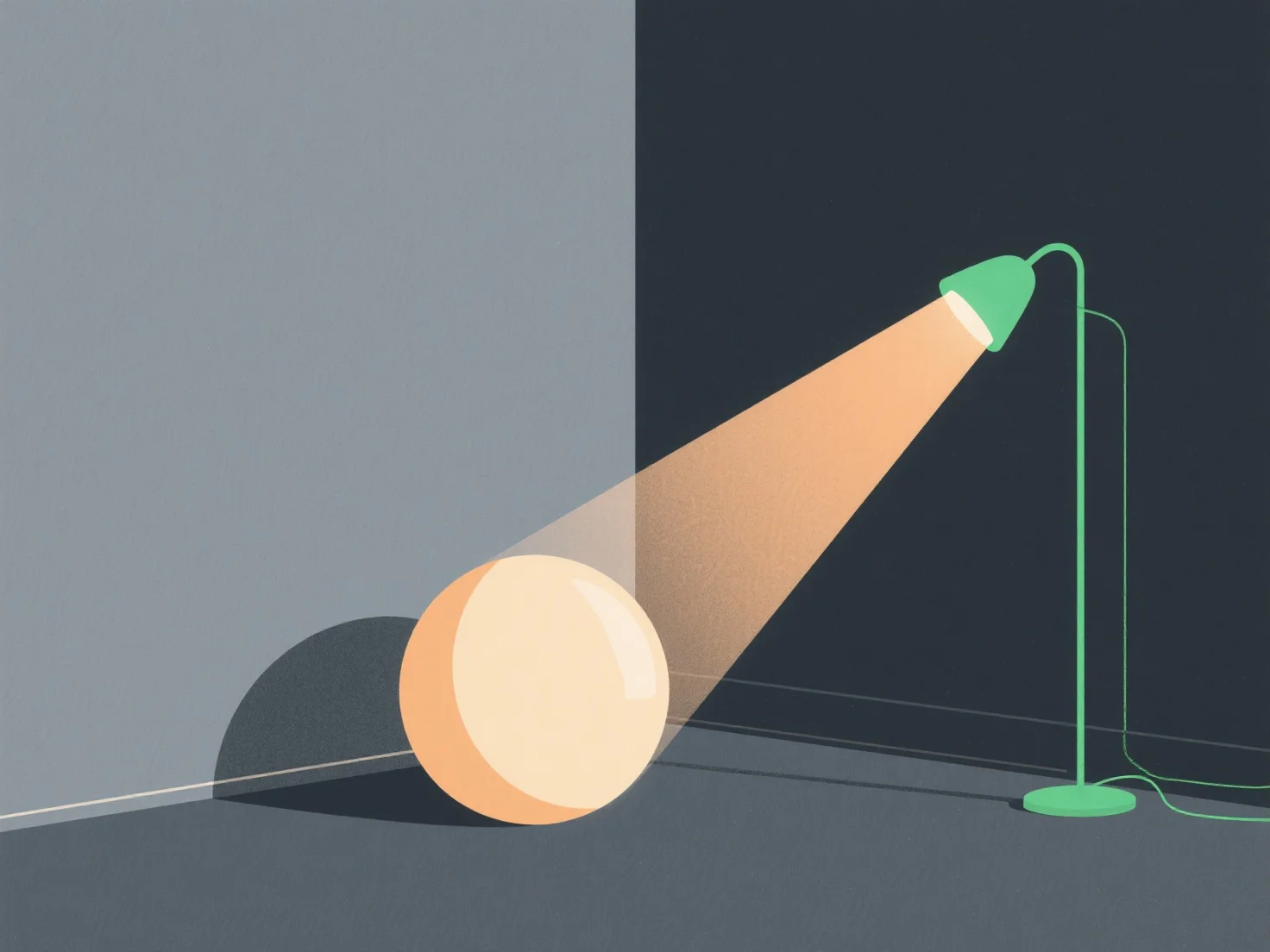
Die Bounce-Beleuchtung in der 3D-Rendering funktioniert, indem sie Lichtstrahlen simuliert, die von Oberflächen reflektiert werden und dann andere Objekte oder Bereiche beleuchten, wodurch die indirekte Beleuchtung in der realen Welt nachgeahmt wird, um den Realismus der Szene zu verbessern.
Es funktioniert durch folgende Schlüsselschritte: - **Direkte Lichtemission**: Anfängliche Strahlen stammen aus primären Quellen (z. B. Sonne, Lampen). - **Oberflächeninteraktion**: Strahlen treffen auf Oberflächen, die einen Teil des Lichts absorbieren und den Rest basierend auf Eigenschaften wie Albedo (Reflektivität) und Textur reflektieren. - **Indirekte Beleuchtung**: Reflektierte Strahlen wirken als sekundäre Quellen und beleuchten nahegelegene Objekte oder schattige Bereiche.
Durch die Berücksichtigung dieser reflektierten Strahlen erhalten 3D-Szenen weichere Schatten, eine natürliche Farbmischung und Tiefe, wodurch Renderings lebensechter und nicht flach erscheinen.