


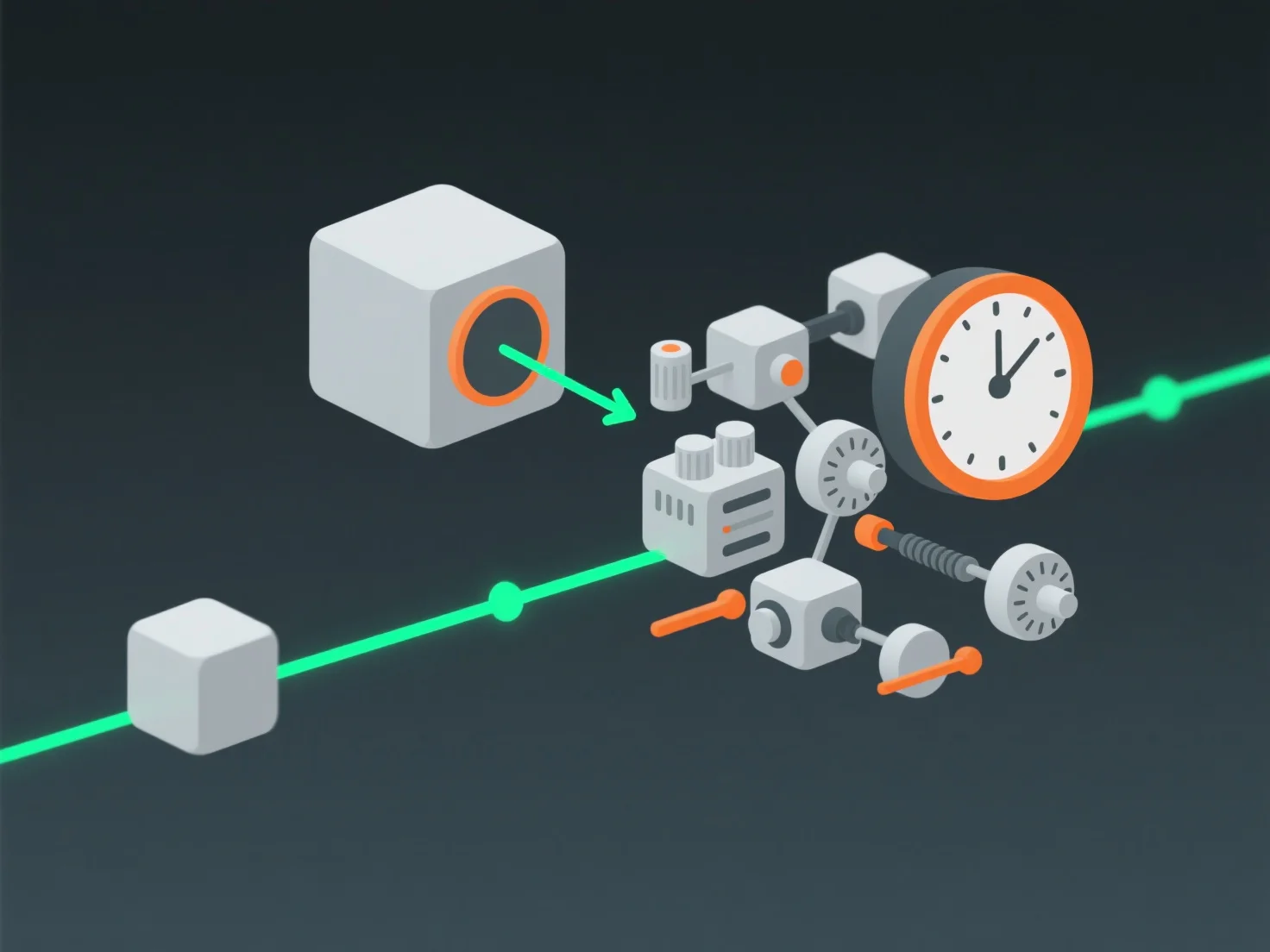
Die Einrichtung der Simulation erhöht die Zeitkosten in 3D-Workflows, da iterative Anpassungen in der Parameterkonfiguration, beim Testen der Physik-Engine und bei der Validierung der Ergebnisse erforderlich sind.
- **Parameterabstimmung**: Die Definition von Materialeigenschaften (z. B. Elastizität, Reibung), Randbedingungen (z. B. fest vs. dynamisch) und Bewegungsbeschränkungen (z. B. Gelenke, Kollisionen) erfordert häufig Versuch und Irrtum, um mit den Projektzielen übereinzustimmen, da suboptimale Einstellungen zu unrealistischen Ergebnissen führen können. - **Tests der Physik-Engine**: Die Konfiguration und Prüfung der Engine-Kompatibilität (z. B. Anpassung von Löser-Iterationen, Zeitschritten) zur Gewährleistung stabiler, genauer Simulationen erfordert zusätzliche Zeit, insbesondere bei komplexen Interaktionen wie Fluiddynamik oder Soft-Body-Physik. - **Ergebnisvalidierung**: Selbst geringfügige Parameteranpassungen
Diese kumulativen Schritte. vom anfänglichen Setup bis zur Validierung. verlängern die für 3D-Workflows erforderliche Zeit erheblich.