


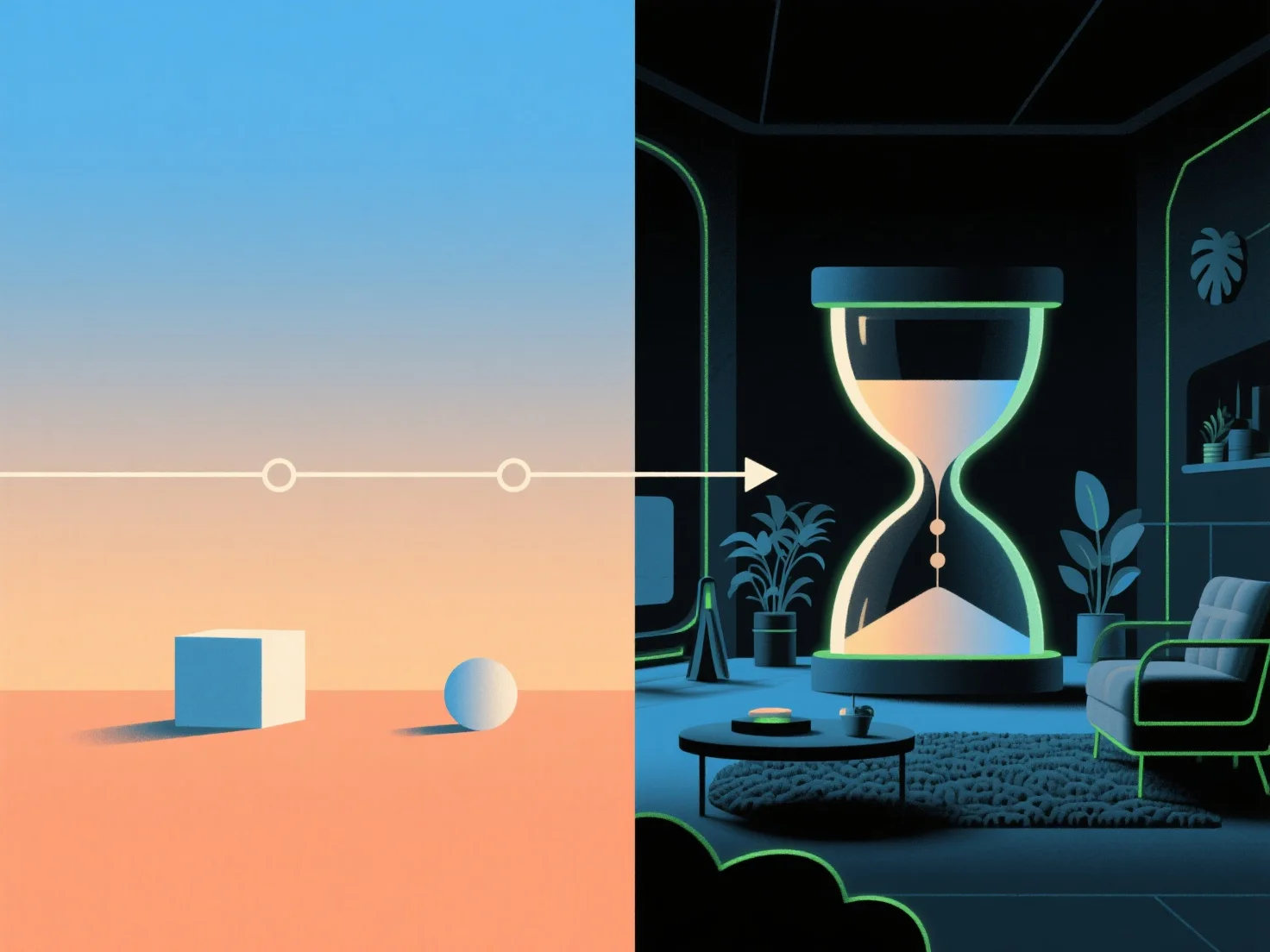
Die Komplexität einer Szene skaliert die Kosten der 3D-Rendering-Zeit nicht linear; eine höhere Anzahl von Polygonen, Texturdetails und Beleuchtungsanforderungen führen zu exponentiell längeren Verarbeitungszeiten.
Die wichtigsten Komplexitätsfaktoren, die die Zeitkosten beeinflussen, umfassen: - Polygonanzahl: Mehr Geometrie erfordert, dass der Renderer zusätzliche Vertexe und Kanten verarbeitet, was die Rechenlast erhöht. - Texturauflösung: Texturen mit höherer Auflösung bedeuten größere Datendateien, was das Textur-Mapping und die Shader-Berechnungen verlangsamt. - Lichtquellen: Jedes hinzugefügte Licht erfordert Berechnungen für Schatten, Reflexion und Brechung, was den Verarbeitungsbedarf erhöht. - Schatten/globale Beleuchtung: Fortgeschrittene Beleuchtungseffekte
Praktische Beispiele: Architektonische Renderings mit detaillierten Möbeln und mehr als 10 Lichtern können von 30 Minuten auf mehr als 3 Stunden ansteigen; Film-VFX-Szenen mit Partikelsystemen oder volumetrischen Nebeln können mehrere Tage pro Frame dauern.
Um Zeitkosten zu reduzieren, vereinfache die Geometrie.