


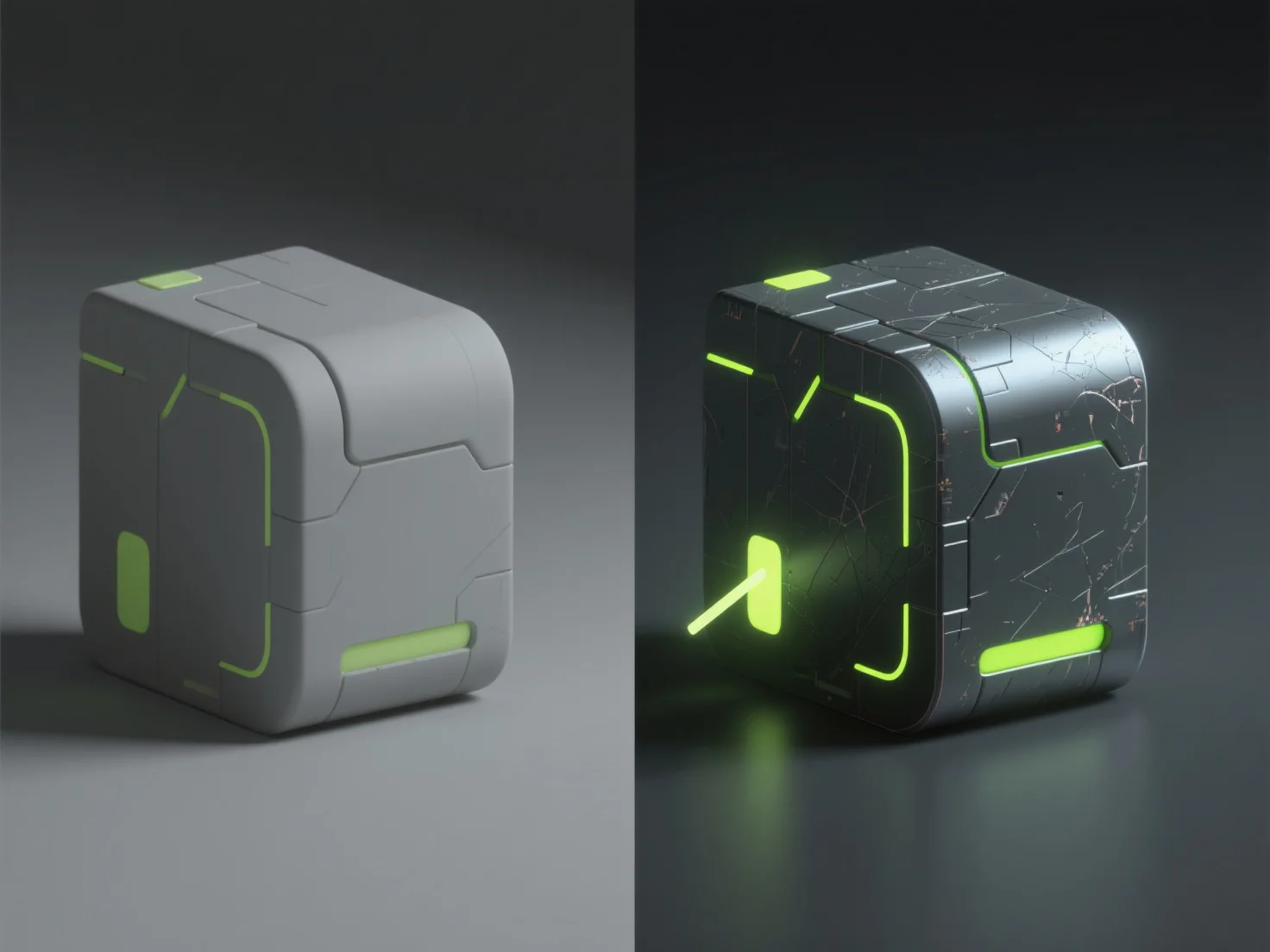
Die Wahl der Rendering-Engine wirkt sich direkt auf die 3D-Qualitätsstandards aus, indem sie die visuelle Genauigkeit, die Leistung und die Funktionsfähigkeit beeinflusst.
Render-Engines unterscheiden sich in der Verarbeitung von Beleuchtung, Texturen und Geometrie und setzen grundlegende Qualitätserwartungen fest. Einige priorisieren Fotorealismus, andere Echtzeit-Geschwindigkeit.
Wichtige Branchenanwendungen und ihre Standards: - Gaming: Echtzeit-Engines (z. B. Unity, Unreal) konzentrieren sich auf Bildrate und Interaktivität und setzen Standards für flüssige Bewegungen und optimierte Asset-Details, um der Zielhardware gerecht zu werden. - Film/Animation: Offline-Renderer (z. B. Arnold, Redshift) betonen fortschrittliche Beleuchtung und hochauflösende Texturen und erhöhen die Standards für lebensechte Visuals in vorgerenderten Inhalten. - Architektur: Spezialisierte Engines
Um spezifische 3D-Qualitätsstandards zu erfüllen, müssen die Stärken der Engine, wie z. B. Echtzeitgeschwindigkeit oder filmische Details, mit den Projektzielen abgestimmt werden, um optimale Ergebnisse zu erzielen.