


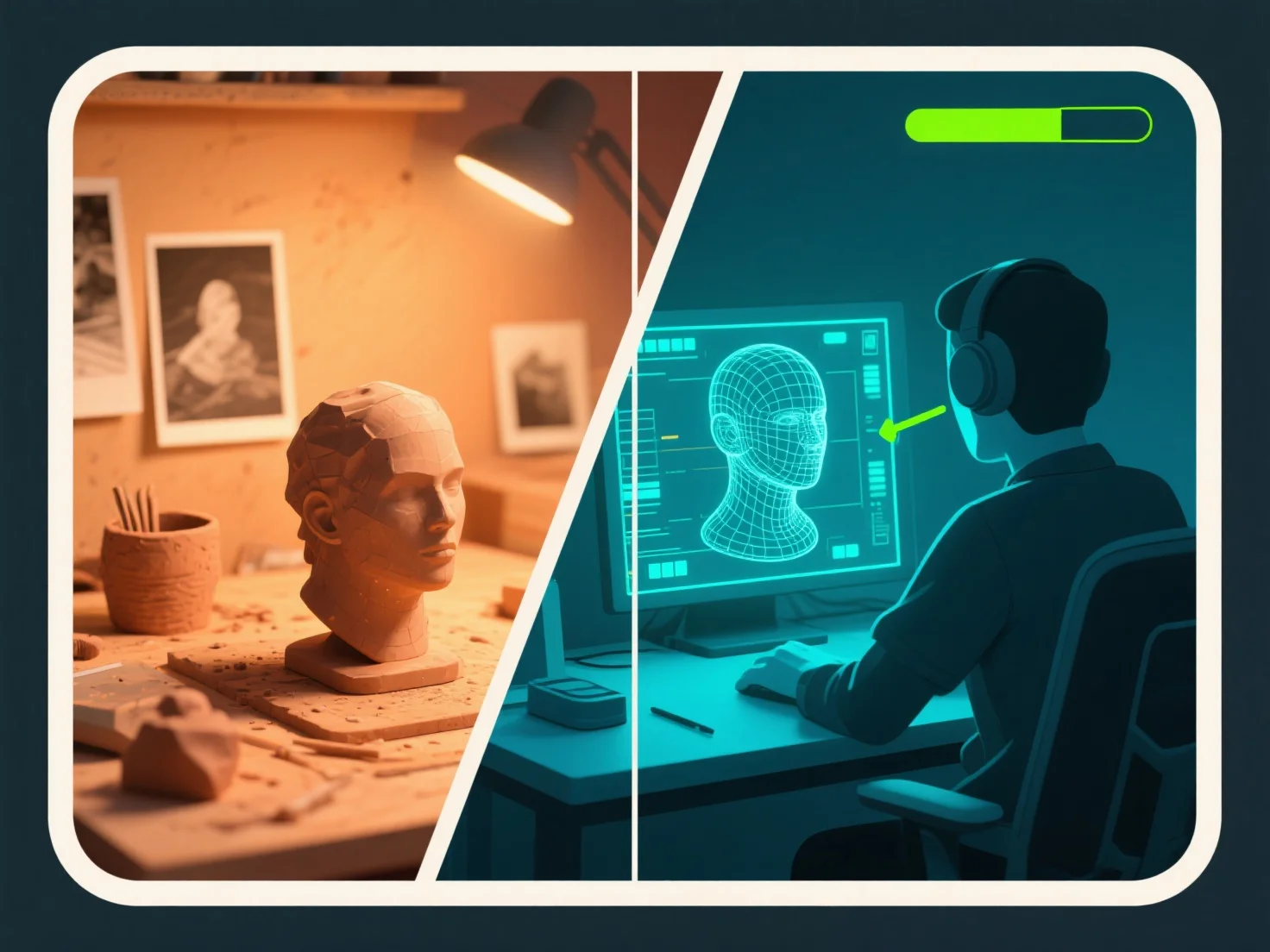
Das Echtzeit-Rendering wirkt sich direkt auf die Erstellung von 3D-Spiel-Assets aus, da es ein Gleichgewicht zwischen visueller Qualität und Leistungseffizienz erfordert und die Entwickler dazu zwingt, Optimierungen für flüssige Bildraten zu priorisieren.
Zu den wichtigsten Optimierungen gehören: - **Anzahl der Polygone**: Reduziert, um die Renderlast zu verringern, und um übermäßig komplexe Meshes zu vermeiden, die die Bildwiederholrate verlangsamen. - **Texturauflösung**: Herabskaliert, um den Speicherverbrauch zu minimieren, wobei häufig komprimierte Formate für ein schnelleres Laden verwendet werden. - **Shader-Komplexität**: Vereinfacht, um die GPU-Verarbeitung zu reduzieren, und um ressourcenintensive dynamische Effekte zu vermeiden. - **Techniken wie LOD**: Assets wechseln je nach Entfernung im Spiel zwischen Versionen mit hoher und niedriger Detailstufe, um Qualität und Geschwindigkeit auszugleichen.
Letztendlich führt Echtzeit-Rendering dazu, dass Asset-Ersteller effiziente Workflows übernehmen, um sicherzustellen, dass die Assets sowohl visuellen als auch Leistungsanforderungen entsprechen.