


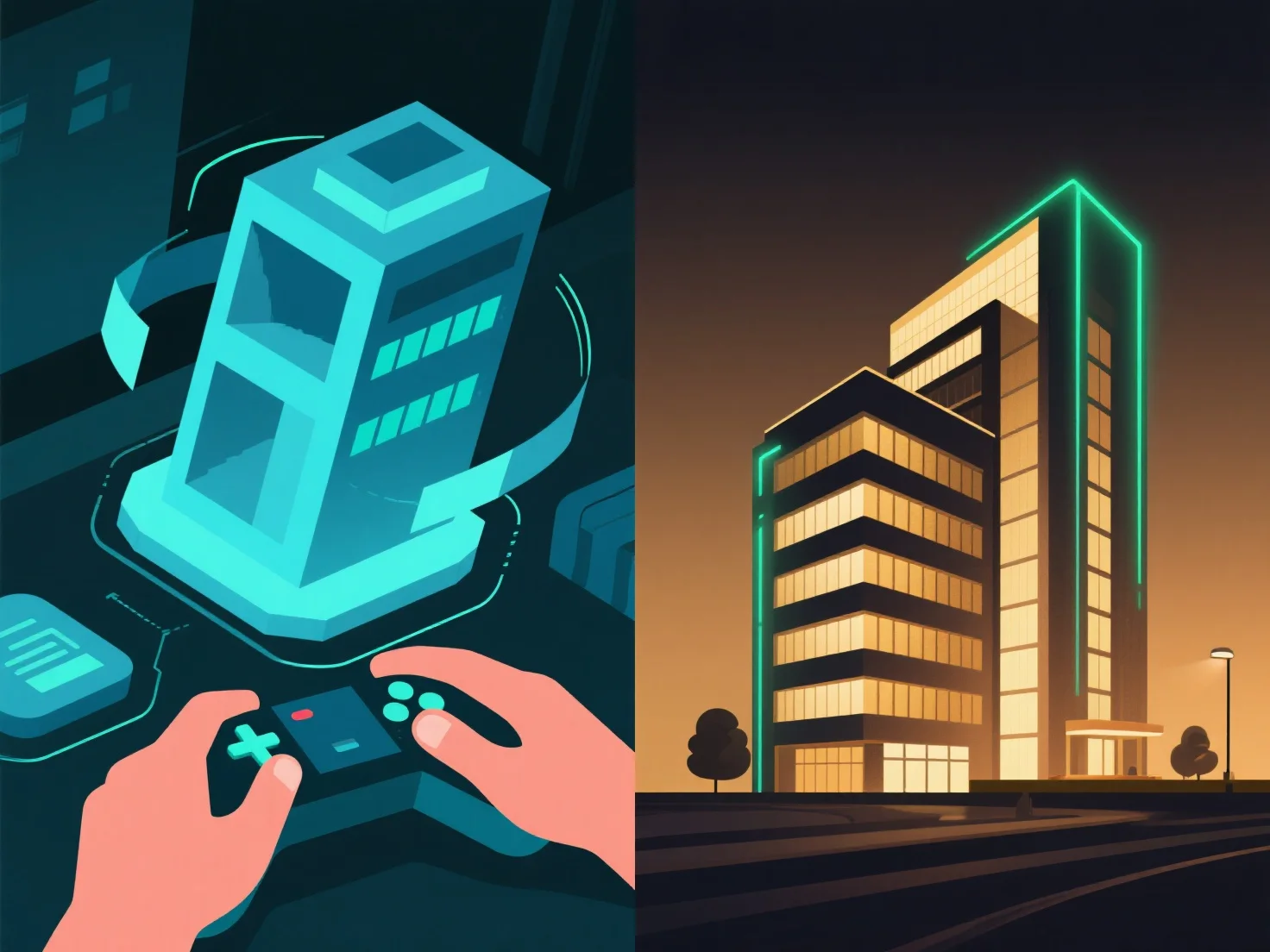
Echtzeit-3D-Visualisierung und vorgerendertes 3D-Content unterscheiden sich hauptsächlich in Bezug auf das Rendering-Timing, die Interaktivität und die Anwendungsfälle.
Rendering-Timing: Echtzeit-3D-Renderings stellen visuelle Elemente sofort während der Benutzerinteraktion dar.
Interaktivität: Echtzeit-3D legt den Schwerpunkt auf dynamische Benutzerkontrolle. Benutzer können Winkel, Objekte oder Umgebungen manipulieren, was es ideal für interaktive Apps macht. Vorgerendertes 3D ist statisch; der Inhalt ist nach der Rendering festgelegt und unterliegt keinen benutzergesteuerten Änderungen.
Visuelle Treue vs. Leistung: Vorgerendertes 3D hat oft eine höhere Qualität (detaillierte Texturen, komplexe Beleuchtung), da die Renderingzeit nicht durch die Echtzeit-Anzeige eingeschränkt ist. Echtzeit-3D balanciert Qualität und Leistung und optimiert für eine reibungslose, reaktionsschnelle Ausgabe auf Geräten wie PCs oder Headsets.
Kurz gesagt, wählen Sie Echtzeit-3D für interaktive, benutzergesteuerte Erfahrungen; vorgerendertes 3D eignet sich für hochauflösende, statische Inhalte, bei denen keine Interaktion erforderlich ist.