


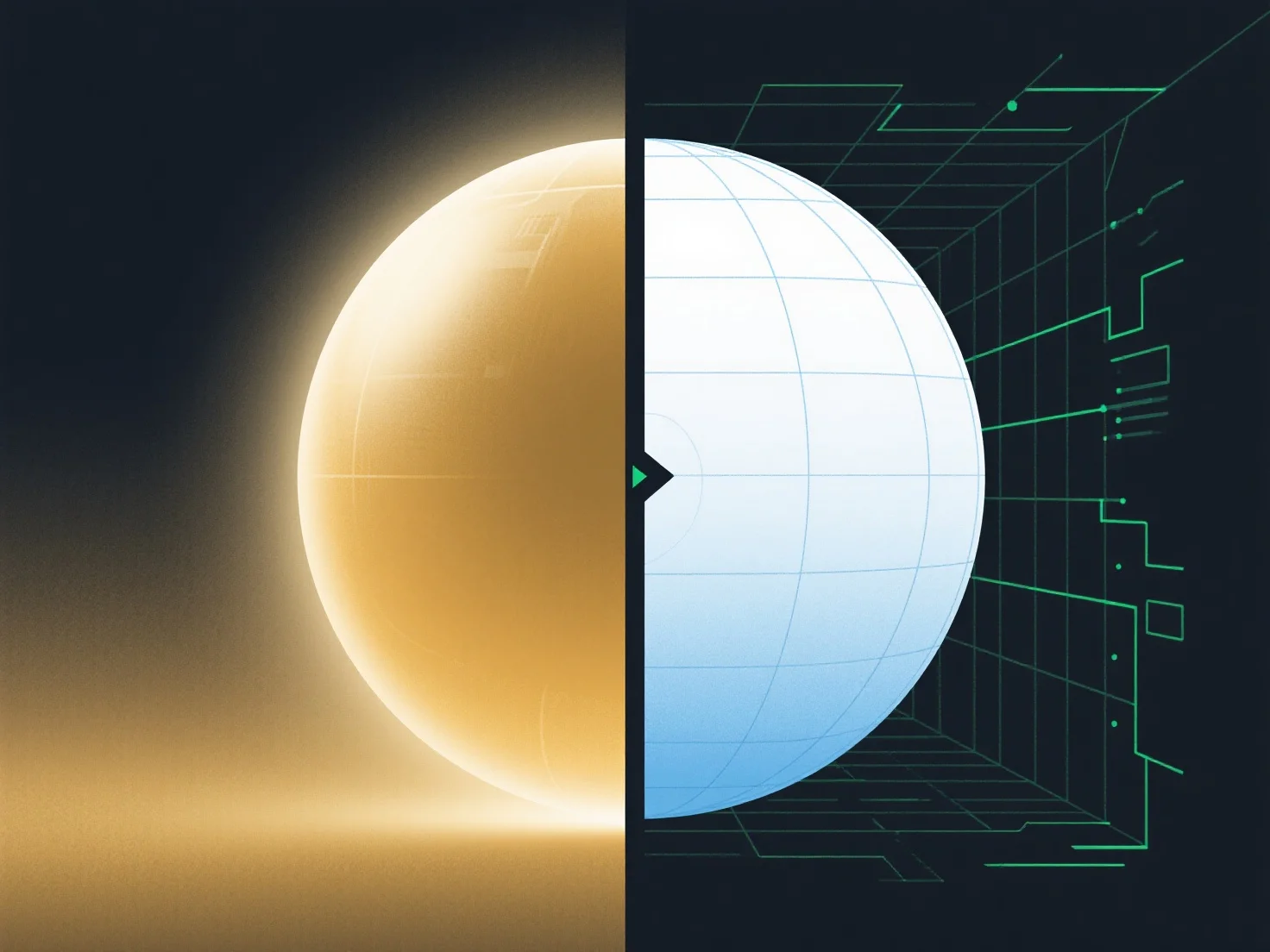
Der perzeptuelle Realismus in 3D konzentriert sich darauf, die Illusion der Realität zu erzeugen, wie sie von Menschen wahrgenommen wird, während physikalische Genauigkeit sich auf die strikte Einhaltung der physikalischen Gesetze und Messungen der realen Welt bezieht.
Perzeptueller Realismus verwendet visuelle Hinweise wie Beleuchtung, Textur und Komposition, um ein Modell für das Auge „real erscheinen“ zu lassen, und vereinfacht dabei häufig Details wie exakte Physik oder Dimensionen. Physikalische Genauigkeit hingegen stellt sicher, dass das Modell Eigenschaften der realen Welt wie Größe, Masse oder Materialverhalten exakt entspricht, was für funktionale oder wissenschaftliche Anwendungen von entscheidender Bedeutung ist.
In der Praxis sollten Sie nach Ihren Zielen priorisieren: Unterhaltung oder Visualisierung könnten auf perzeptuellem Realismus beruhen, während technische Simulationen oder Produktdesign in der Regel physikalische Genauigkeit erfordern.