


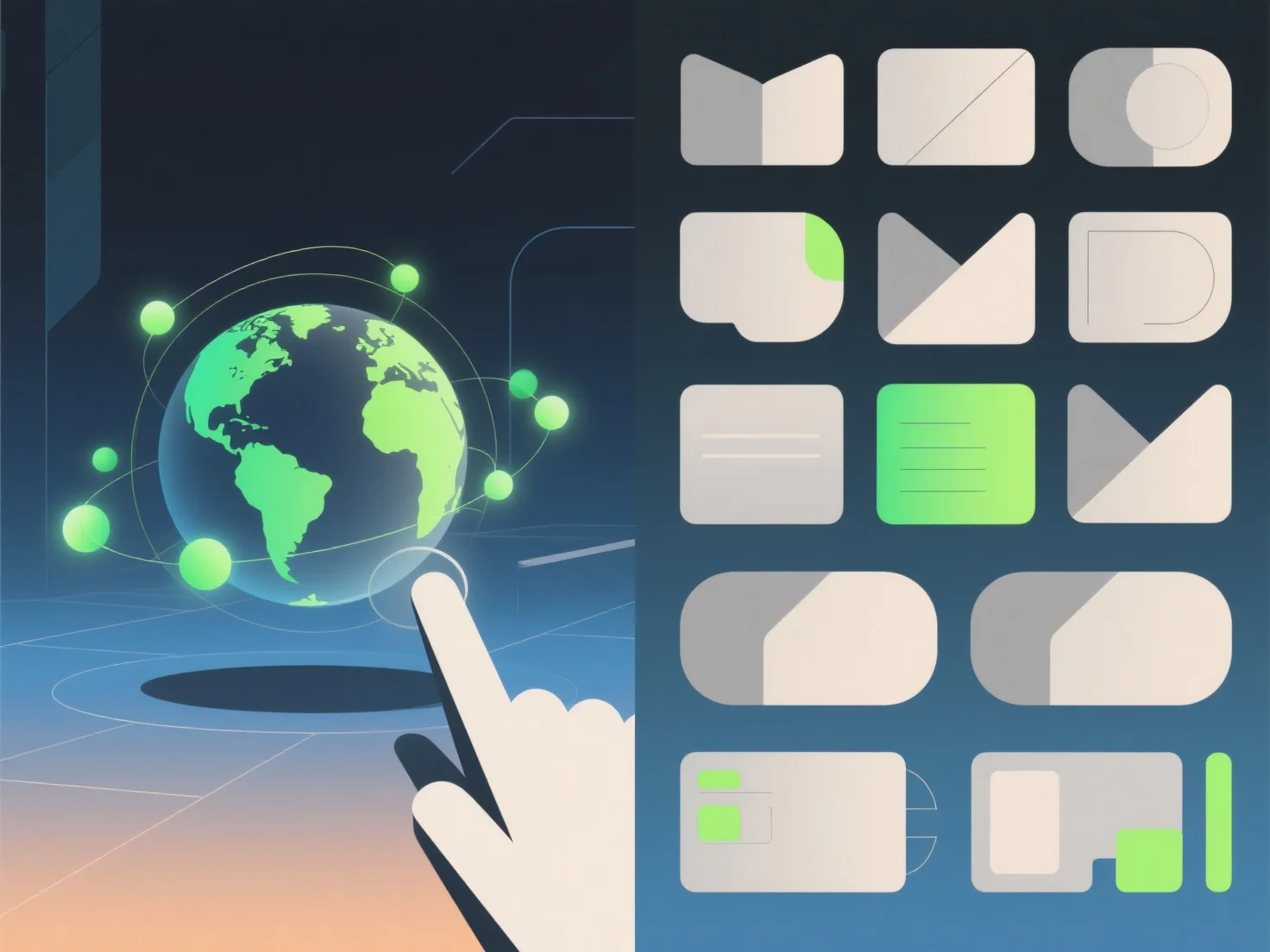
Interaktives 3D-Storytelling und diapositivenbasierte Präsentationen unterscheiden sich hauptsächlich in der Benutzerinteraktion und der Bereitstellung von Inhalten: 3D-Storytelling legt den Schwerpunkt auf aktive Interaktion und immersive Erkundung, während diapositivenbasierte Präsentationen auf linearer, statischer Inhaltsweitergabe beruhen.
- **Interaktionsmodell**: 3D-Storytelling ermöglicht es Benutzern, aktiv mit 3D-Elementen zu interagieren, zu navigieren oder sie zu erkunden (z. B. ein Produktmodell zu drehen), was ein praktisches Engagement fördert. Folien liefern Inhalte passiv, wobei die Benutzer einer festgelegten Abfolge folgen müssen. - **Ebene der Immersion**: 3D-Umgebungen bieten oft multisensorische, lebensechte Erfahrungen und vereinfachen komplexe Informationen (z. B. anatomische Strukturen). Folien verwenden 2D-Visuals/Text, die zwar einfacher sind, aber weniger immersiv sind. - **Passende Anwendungsfälle**: 3D-Storytelling eignet sich hervorragend für Szenarien mit tiefem Engagement.
Kurz gesagt, 3D-Storytelling fördert aktive Teilnahme und Immersion, während Folien sich durch eine einfache, lineare Kommunikation auszeichnen.