


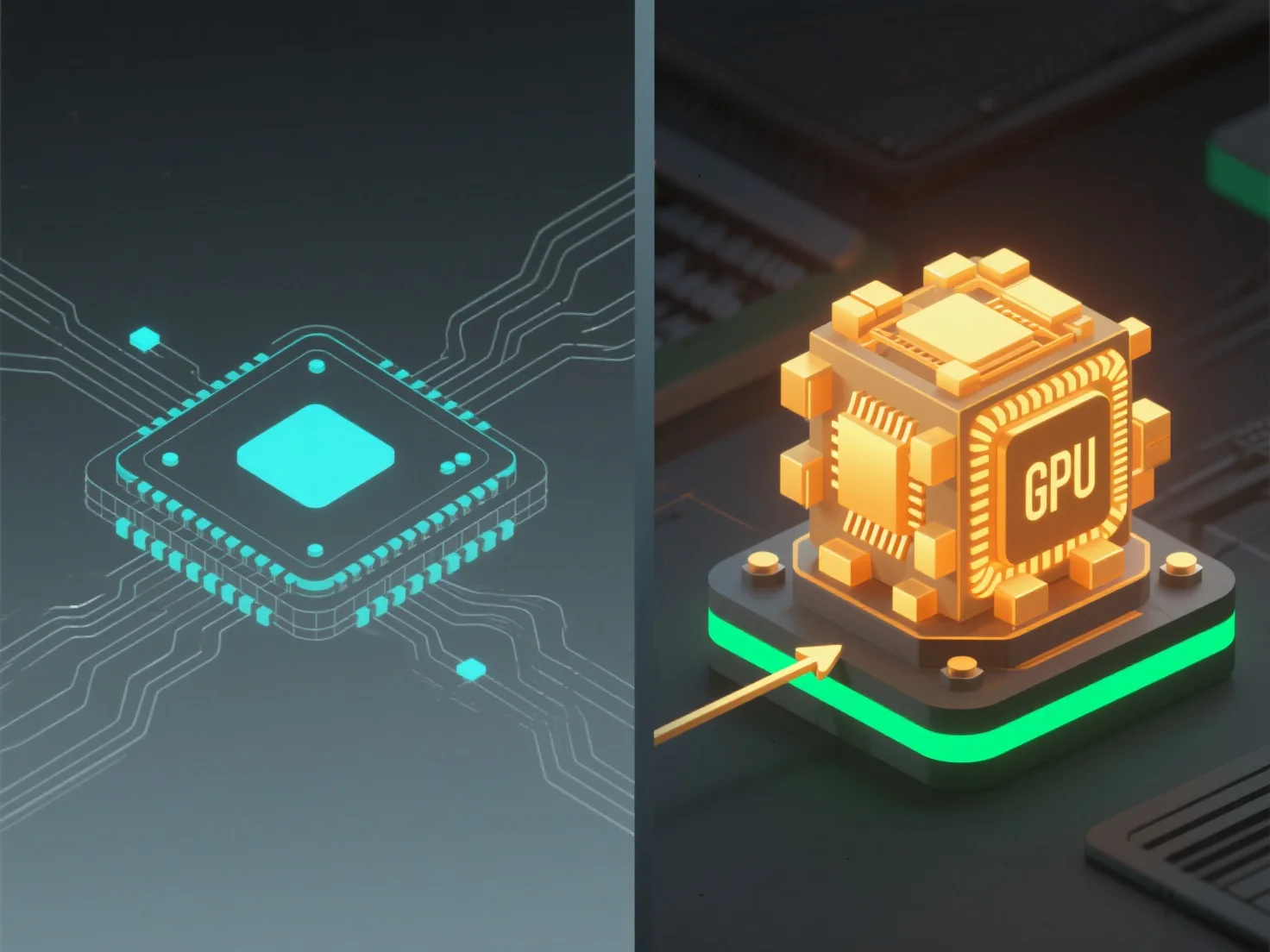
GPU-Beschleunigung verbessert die 3D-Rendering-Performance erheblich, indem sie parallele Verarbeitung nutzt, um Rendering-Aufgaben effizienter als mit reinen CPU-Workflows zu bewältigen.
GPUs verfügen über Tausende von parallelen Kernen, die für gleichzeitige Berechnungen optimiert sind, im Gegensatz zu CPUs mit weniger, leistungsstarken Kernen. Diese Architektur zeichnet sich durch renderspezifische Aufgaben wie Pixel-Shading, Textur-Mapping und Lichtberechnungen aus, die die gleichzeitige Verarbeitung mehrerer Datenpunkte erfordern.
Durch die Übertragung dieser Aufgaben reduziert die GPU-Beschleunigung die Rendering-Zeit für komplexe Szenen, wie zum Beispiel solche mit hohen Polygonzahlen, detaillierten Texturen oder fortgeschrittenen Effekten wie Raytracing. Dies verkürzt die Projektzyklen und verbessert die Effizienz des Workflows.
Zusammenfassend erhöht die GPU-Beschleunigung die Geschwindigkeit, verarbeitet Inhalte mit hohem Detailgrad besser und optimiert 3D-Rendering-Workflows, was sie für Profis in den Bereichen Animation, Gaming und Visualisierung unverzichtbar macht.