


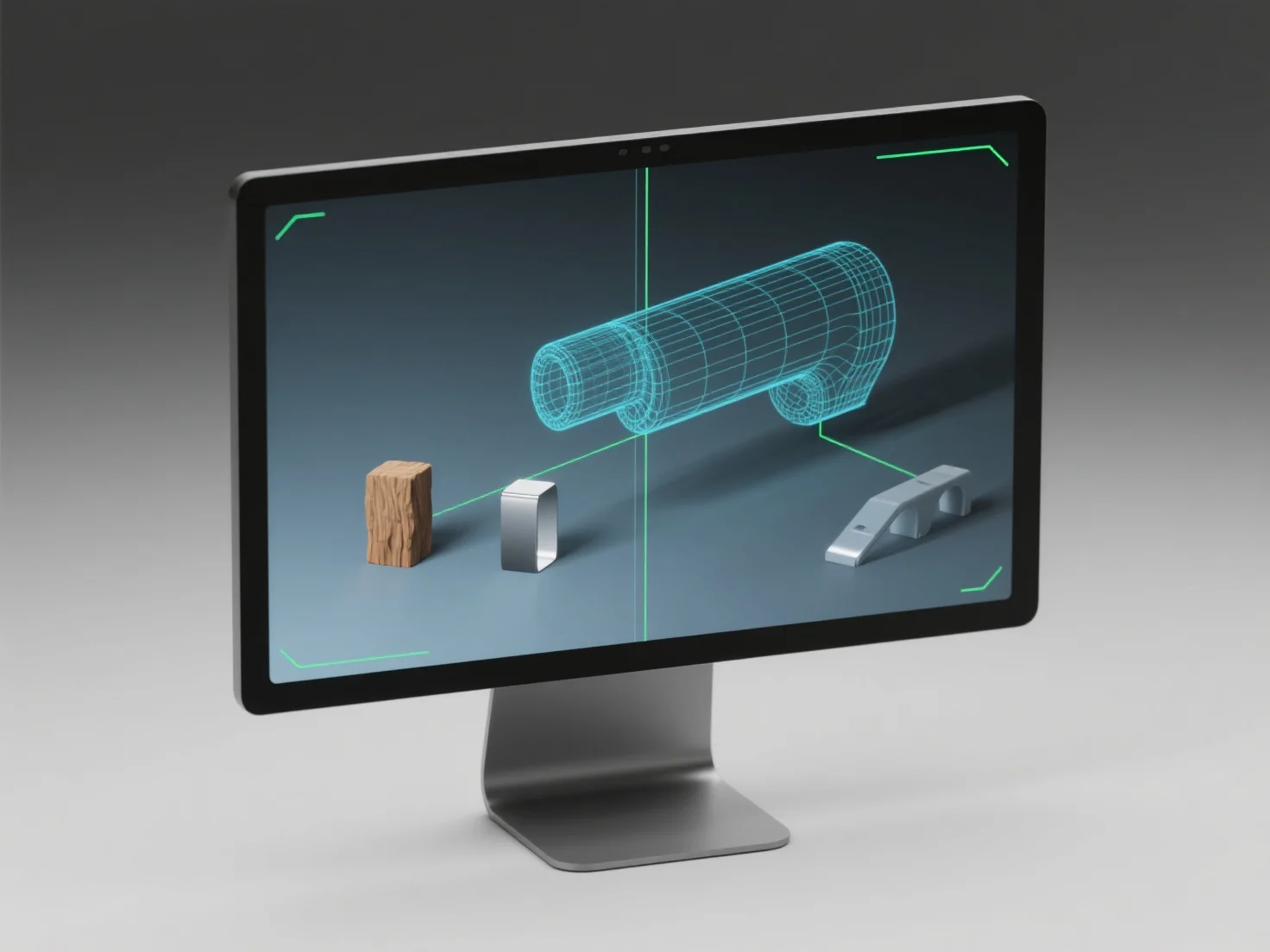
Die 3D-Modellierung hilft beim Verständnis der Materialeigenschaften während der Designphase, indem sie das Materialverhalten in einer virtuellen Umgebung simuliert und es Designern ermöglicht, Eigenschaften wie Festigkeit, Flexibilität und Haltbarkeit ohne physische Prototypen zu bewerten.
Zu den wichtigsten Vorteilen gehört: - **Virtuelles Testen**: Es simuliert, wie Materialien auf Belastung, Temperatur oder Stoß reagieren, und zeigt Schwachstellen bereits früh im Designprozess auf. - **Materialvergleich**: Integrierte Materialbibliotheken ermöglichen es Designern, die Leistung mehrerer Optionen Seite an Seite zu vergleichen und die Auswahl effizient zu optimieren. - **Kosten- und Zeitersparnis**: Es verringert die Abhängigkeit von physischen Prototypen, beschleunigt die Designvalidierung und senkt die Entwicklungskosten.
Insgesamt rationalisiert es die Materialbewertung und stellt sicher, dass Designs vor der Produktion die funktionalen Anforderungen erfüllen.