


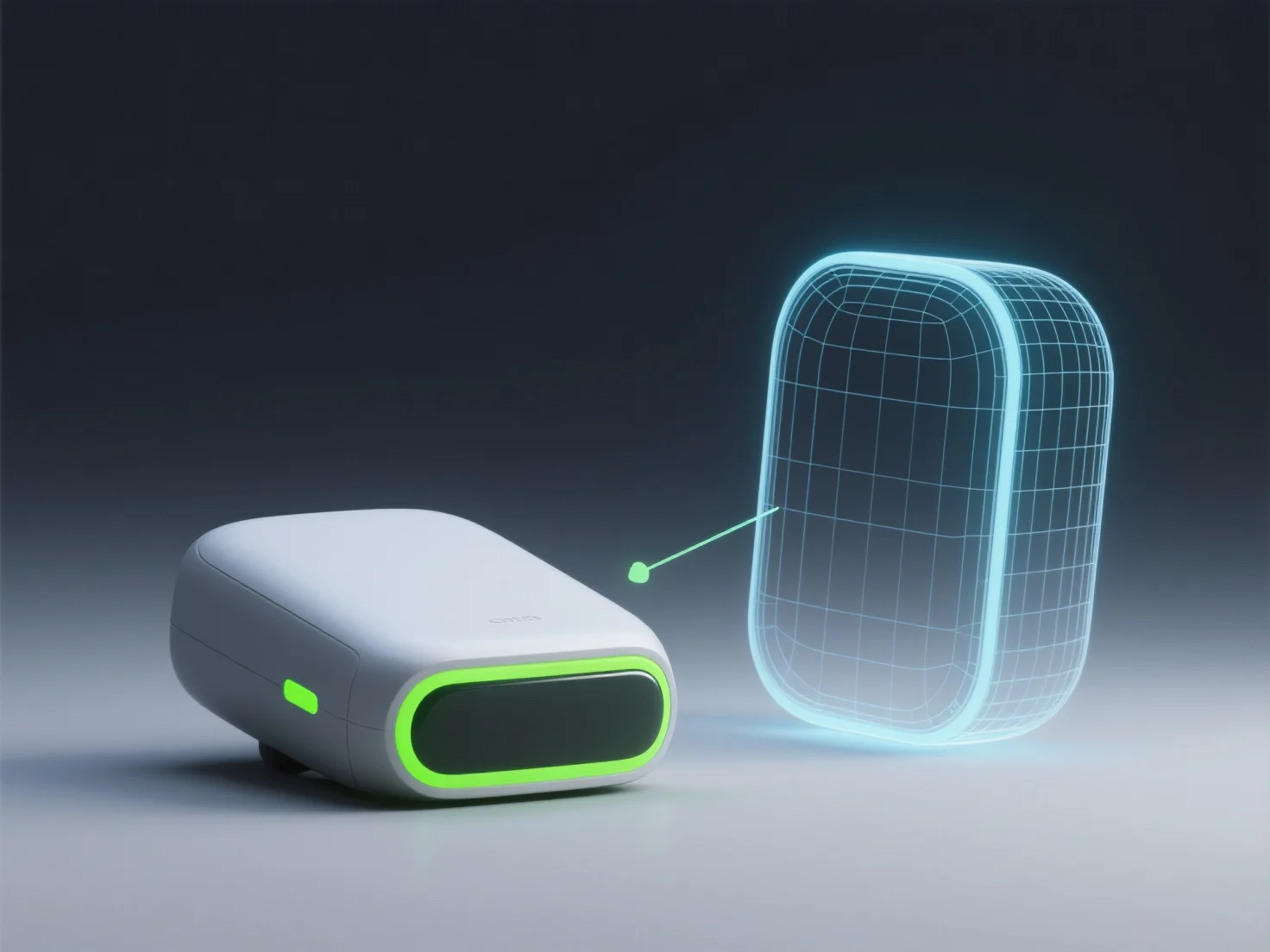
Die 3D-Modellierung hilft bei der Bewertung der ästhetischen Qualität von Designkonzepten, indem sie eine lebensechte, dreidimensionale Visualisierung bietet und eine genaue Bewertung der wichtigsten ästhetischen Elemente ermöglicht, die mit 2D-Methoden nicht vollständig vermittelt werden können.
Die wichtigsten Möglichkeiten, wie dies unterstützt wird, umfassen: - **Proportionen und Maßstab**: 3D-Modelle zeigen, wie sich Designelemente in Bezug auf ihre Größe verhalten, und sorgen für ausgewogene, visuell harmonische Kompositionen. - **Texturen und Materialien**: Sie simulieren Materialien aus der realen Welt (z. B. Holz, Metall) und ermöglichen es den Stakeholdern zu sehen, wie Oberflächen den Gesamteindruck beeinflussen. - **Beleuchtung und räumliche Dynamik**: Die Anpassung der virtuellen Beleuchtung zeigt, wie Schatten, Reflexionen und Helligkeit die Ästhetik beeinflussen.
Durch die Integration dieser Elemente hilft die 3D-Modellierung, die ästhetisch ansprechendsten Design-Iterationen schnell zu identifizieren und zu verfeinern, was sie zu einem entscheidenden Werkzeug für die visuelle Bewertung macht.