


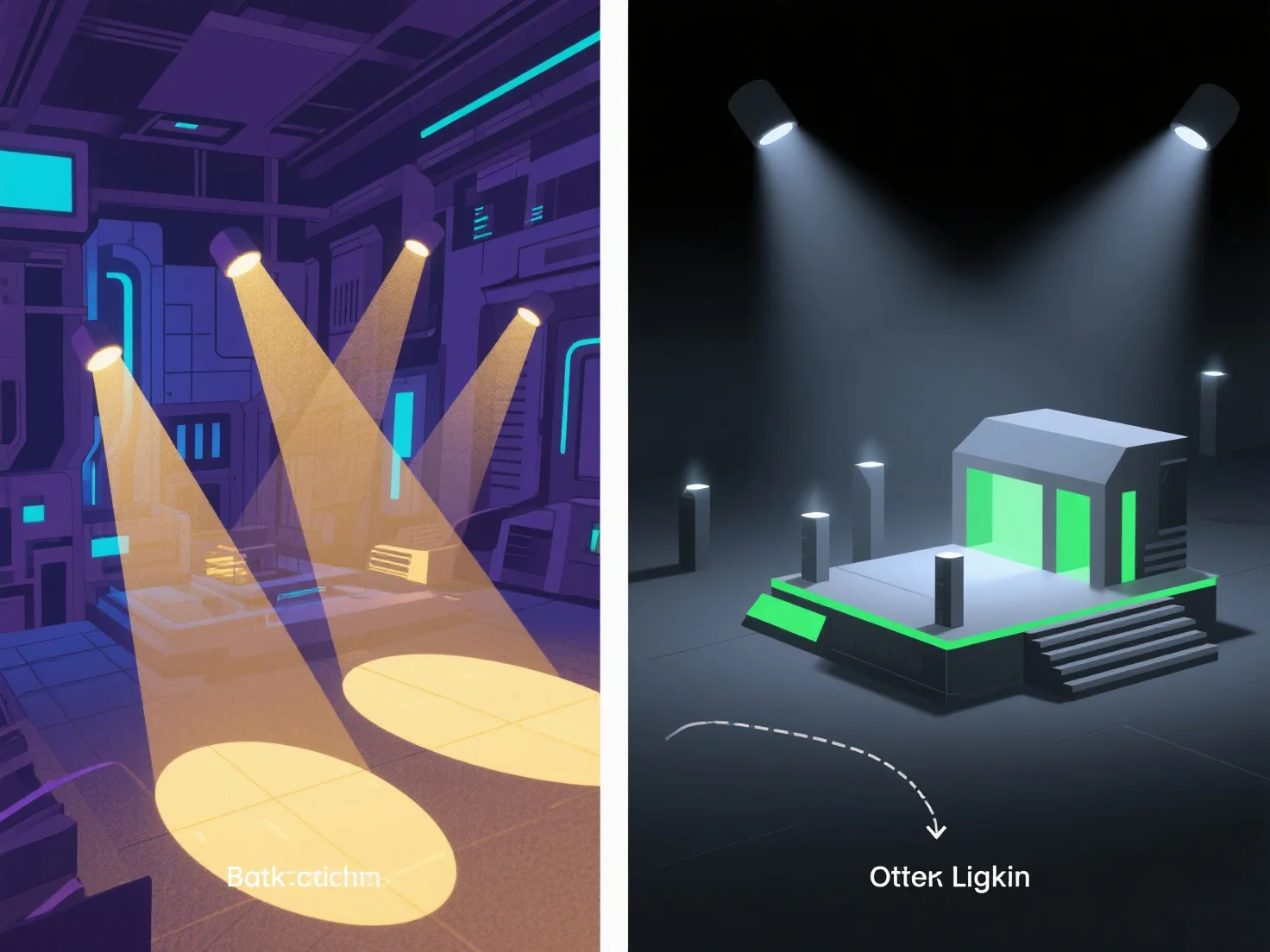
Das Lightmapping optimiert die 3D-Rendering-Performance, indem statische Beleuchtungsdaten vorab berechnet werden.
Es funktioniert, indem statische Lichteffekte während der Vorverarbeitung in Texturen gerendert werden, die dann während des Renderings auf 3D-Modelle angewendet werden, anstatt das Licht in Echtzeit neu zu berechnen, wodurch redundante Berechnungen pro Frame eliminiert werden.
Häufige Anwendungen umfassen: - Spieleentwicklung: Stabilisiert die Bildwiederholraten auf schwächerer Hardware durch das Auslagern von Beleuchtungsaufgaben. - Architekturvisualisierung: Ermöglicht flüssige, verzögerungsfreie Echtzeit-Begehungen von statischen Szenen. - Virtual Reality: Gewährleistet eine konsistente Leistung, um durch Bildabbrüche verursachte Reisekrankheit zu verhindern.
Für statische 3D-Szenen verwenden Sie Lightmapping-Tools in Software wie Unity oder Unreal Engine, um die Beleuchtung vorzuberechnen und Leistungsverbesserungen zu validieren.