


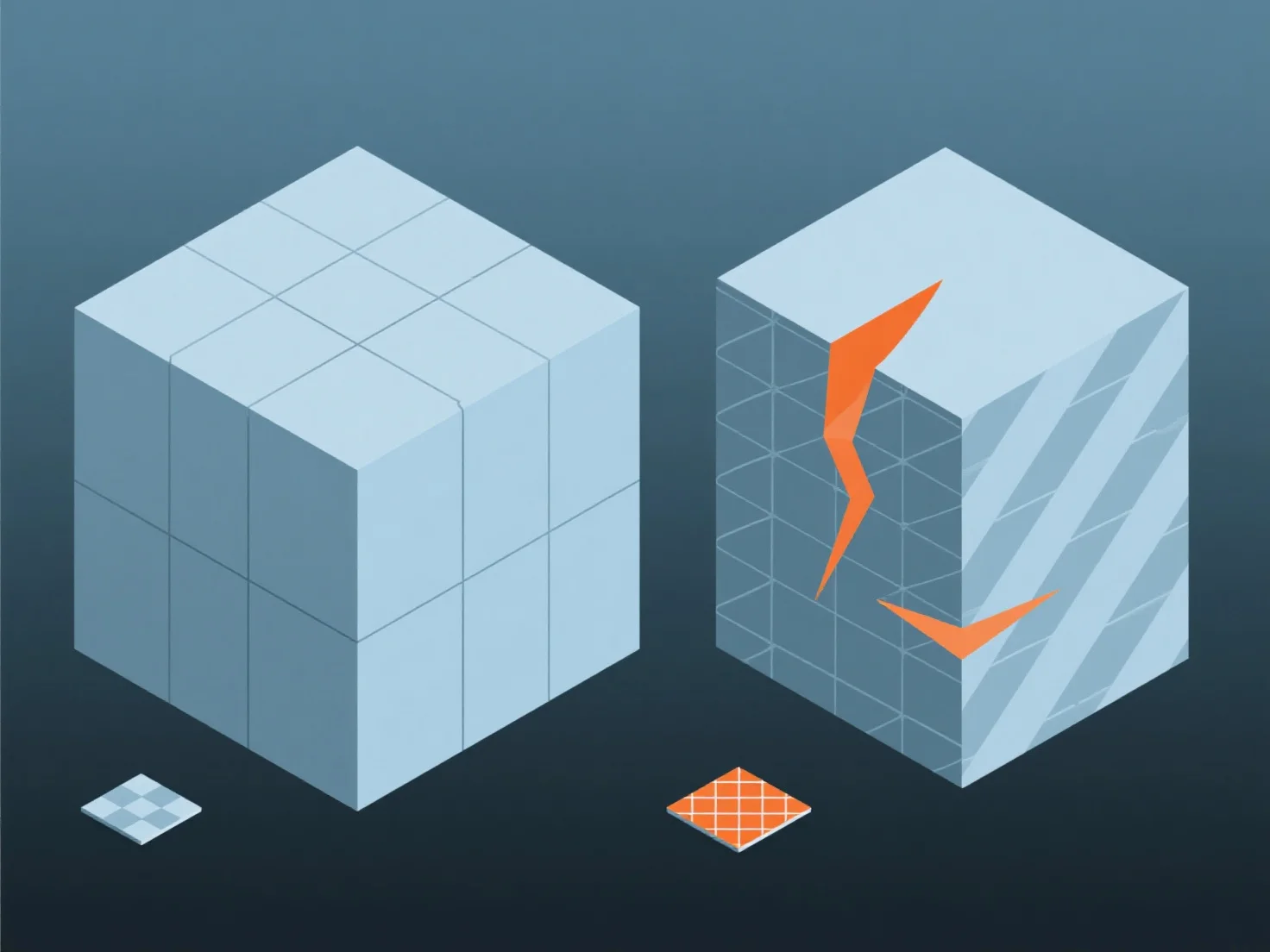
Texturierungsmassstäbe verbessern direkt die Konsistenz von 3D-Modellen, indem sie einheitliche Regeln für die Handhabung von Texturdaten über Werkzeuge, Teams und Plattformen hinweg festlegen.
Die wichtigsten Auswirkungen umfassen: - Standardisierung von Texturkoordinaten (UV-Mapping), um Dehnungen oder Fehlausrichtungen zu verhindern, wenn Modelle zwischen Softwareprogrammen übertragen werden. - Definition von Dateiformaten (z. B. PNG, JPEG) und Auflösungsrichtlinien, um sicherzustellen, dass Texturen in verschiedenen Rendering-Engines einheitlich angezeigt werden. - Abstimmung der Rendering-Parameter.
Durch die Durchsetzung dieser Regeln reduzieren Standards visuelle Diskrepanzen und optimieren die Zusammenarbeit.