


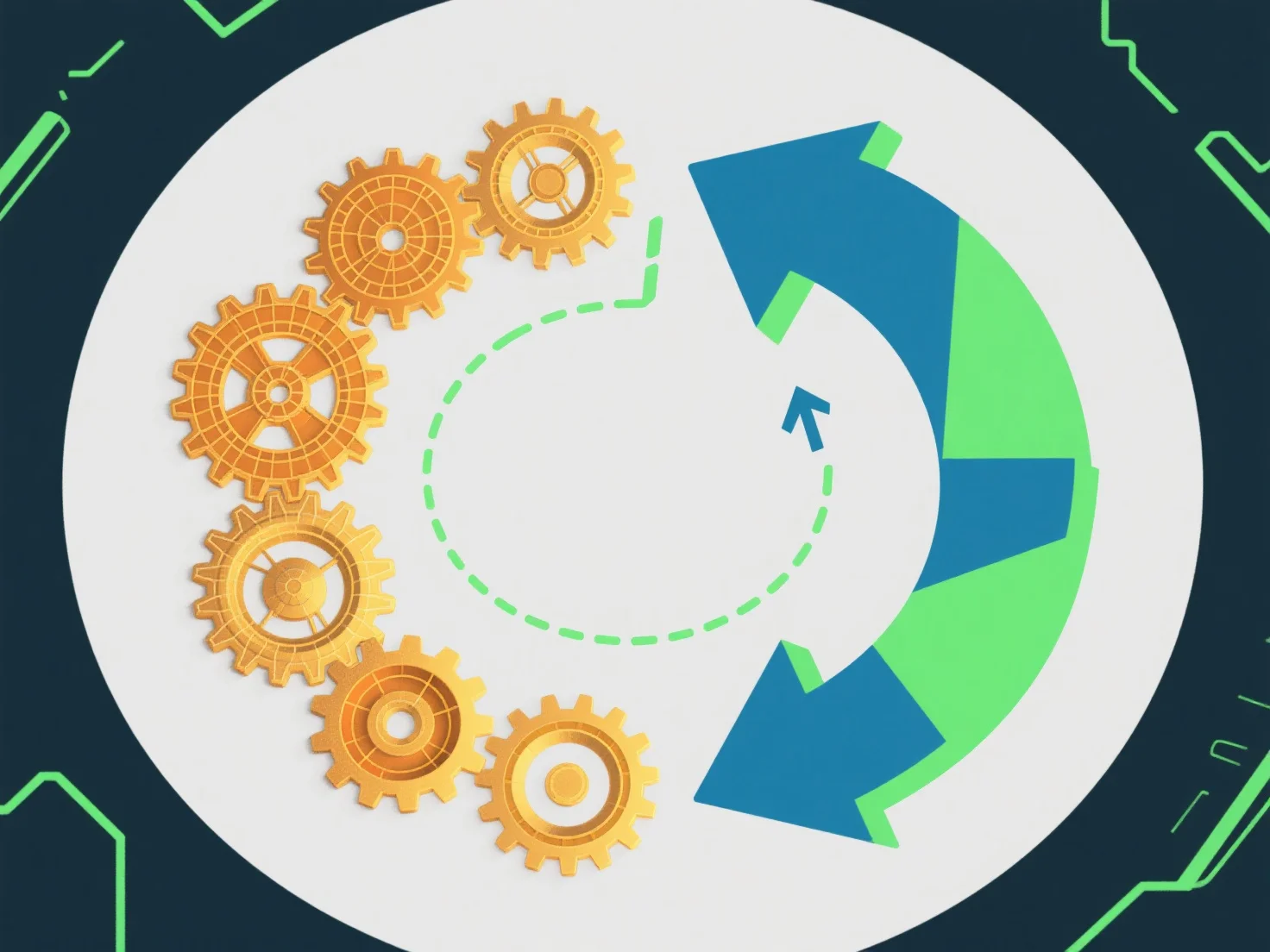
Überprüfungszyklen wirken sich direkt auf den Kompromiss zwischen 3D-Qualität und Effizienz aus, indem sie iteratives Feedback, Zeitbeschränkungen und die Ressourcenverteilung miteinander in Einklang bringen.
- Kürzere Zyklen priorisieren Effizienz: Häufige, schnelle Überprüfungen beschleunigen die Lieferung, beschleunigen die Iteration, begrenzen jedoch eingehende Qualitätsprüfungen (z. B. Texturdetails, Geometrie-Genauigkeit) und können die endgültige Feinabstimmung beeinträchtigen. - Längere Zyklen konzentrieren sich auf Qualität: Erweiterte Zeitrahmen ermöglichen gründliche Überprüfungen der strukturellen Integrität, des visuellen Realismus und der technischen Spezifikationen, was die Modellqualität verbessert, aber die Entwicklungszeit und die Kosten erhöht.
Die Abstimmung der Zykluslänge auf Fristen und Qualitätsziele optimiert sowohl die Effizienz als auch die Output-Exzellenz.