


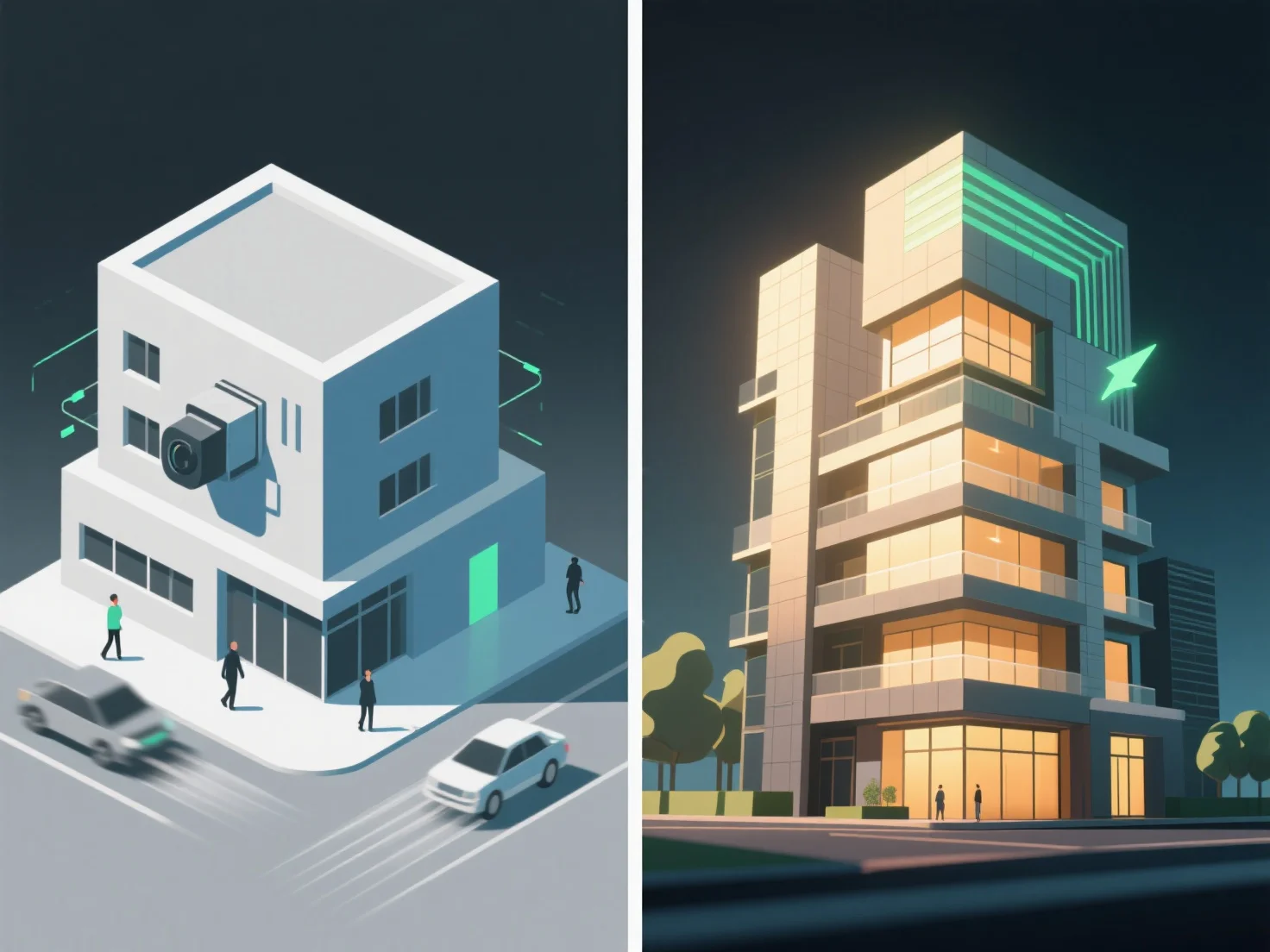
Echtzeit-3D-Engines und Offline-Renderer unterscheiden sich in Geschwindigkeit, Interaktivität und visueller Qualität für Präsentationen. Echtzeit-Engines priorisieren sofortiges Rendering und interaktive Steuerung, was sie ideal für dynamische, Live-Präsentationen macht, die die Interaktion mit dem Publikum oder spontane Anpassungen erfordern. Offline-Renderer hingegen konzentrieren sich auf hochwertige, fotorealistische Visuals, benötigen jedoch Vorbereitungszeit und eignen sich für statische oder voraufgezeichnete Präsentationen, bei denen visuelle Details von entscheidender Bedeutung sind.
Haupteinsatzfälle: - Interaktive Präsentationen (z. B. Produktdemos, virtuelle Touren): Echtzeit-Engines ermöglichen Live-Navigation, Parameteranpassungen und eine vom Publikum gesteuerte Erkundung. - Statische hochauflösende Inhalte.
Für Echtzeit-Interaktion verwenden Sie eine Echtzeit-3D-Engine; für statische, visuell beeindruckende Inhalte ist ein Offline-Renderer vorzuziehen.