


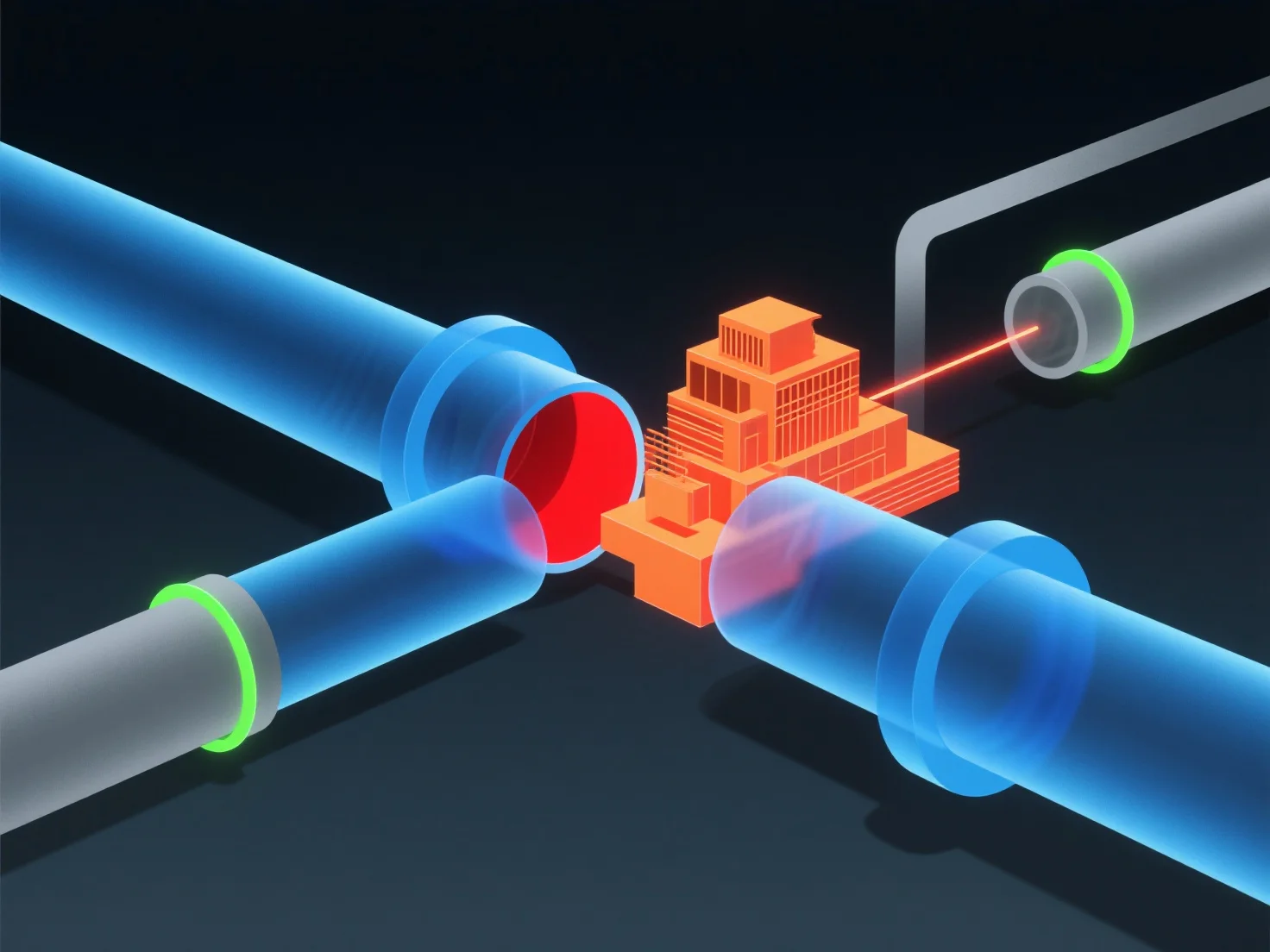
Leistungsengpässe bedrohen Echtzeit-3D-Systeme, indem sie kritische Probleme wie verzögerte Rendering-Vorgänge, Framerate-Einbrüche oder nicht reagierende Benutzerinteraktionen verursachen und damit die Kernanforderung des Systems an eine reibungslose, latenzarme visuelle Ausgabe verletzen.
Hauptrisiken umfassen: - **Verschlechterte Benutzererfahrung**: Häufige Framerate-Einbrüche oder Verzögerungen stören das Eintauchen und führen zu unruhigen Interaktionen (z. B. abgehackte Animationen in Spielen oder verzögerte AR-Reaktionen). - **Systeminstabilität**: Überlastete Hardware/Software kann unter hohen Belastungen abstürzen (z. B. komplexe Szenen mit vielen Polygonen oder dynamischer Beleuchtung). - **Funktionale Einschränkungen**: Engpässe behindern die Verwendung fortgeschrittener Funktionen.
Diese Probleme untergraben gemeinsam die Zuverlässigkeit und Effektivität von Echtzeit-3D-Systemen in den Bereichen Gaming, Simulation und professionelle Visualisierung.