


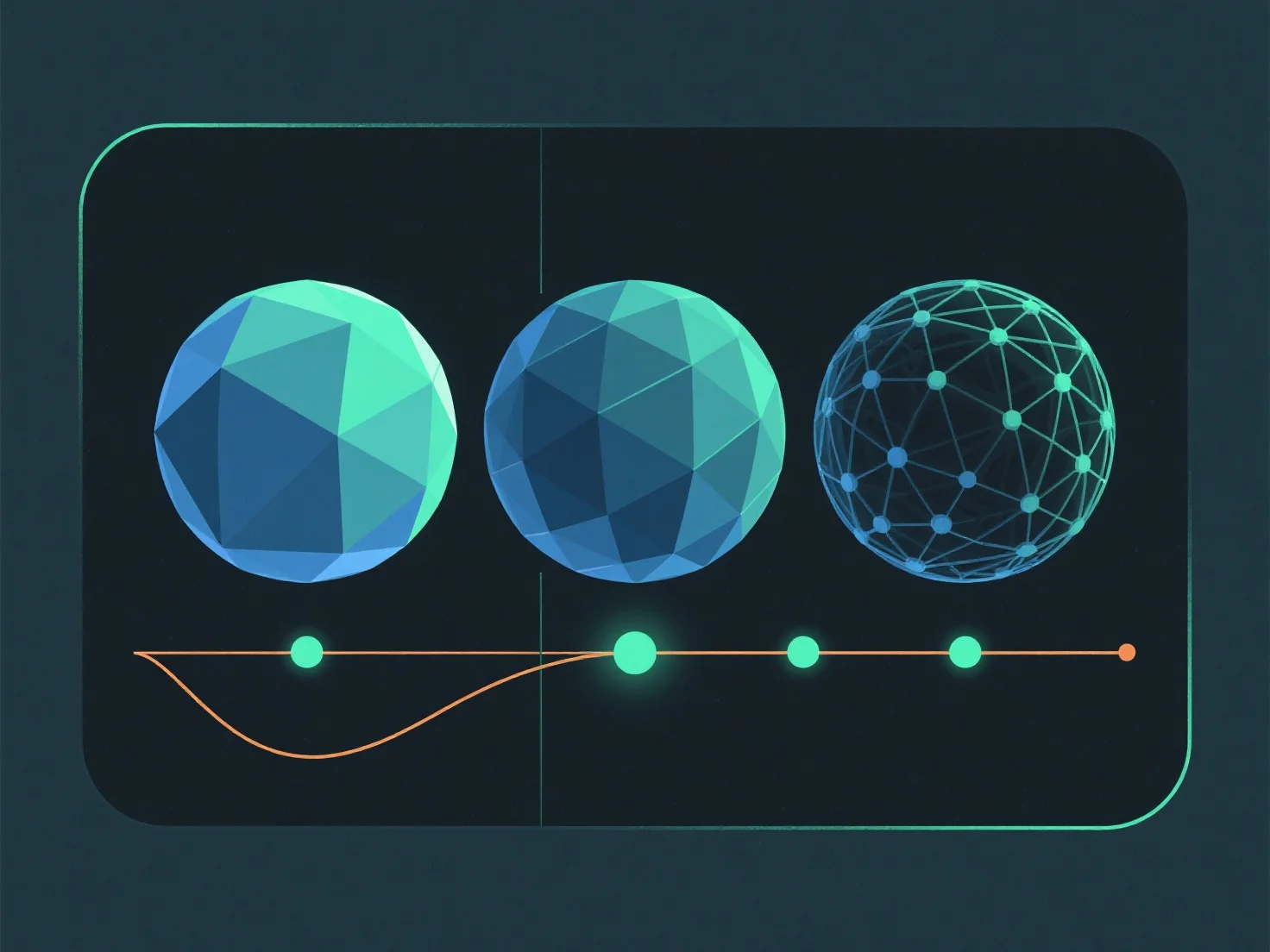
Ein Rückgang der Rendite bei der visuellen Qualität in 3D tritt auf, wenn die Erhöhung der Ressourcen zur Verbesserung der visuellen Qualität über einen bestimmten Schwellenwert hinaus zu immer geringeren wahrgenommenen Verbesserungen führt.
Frühe Investitionen zeigen klare Vorteile: Zum Beispiel führt ein Upgrade von einer niedrigen auf eine mittlere Polygonanzahl oder von einfachen auf hochauflösende Texturen zu einer deutlichen Verbesserung der Realismus, da die Betrachter fehlende Details leicht erkennen können.
Jenseits eines Schlüsselpunktes sinken die Rückgaben stark: Die Erhöhung der Polygonanzahl von Millionen auf zig Millionen oder der Texturauflösung von 4K auf 8K erfordert weitaus mehr Ressourcen.
Daher führen anfängliche Bemühungen um eine hohe visuelle Qualität in 3D zwar zu signifikanten Vorteilen, aber eine übermäßige Konzentration auf ultra-hohe Details führt zu sinkenden Erträgen, bei denen die Kosten oder der Aufwand die sichtbaren Verbesserungen überwiegen.