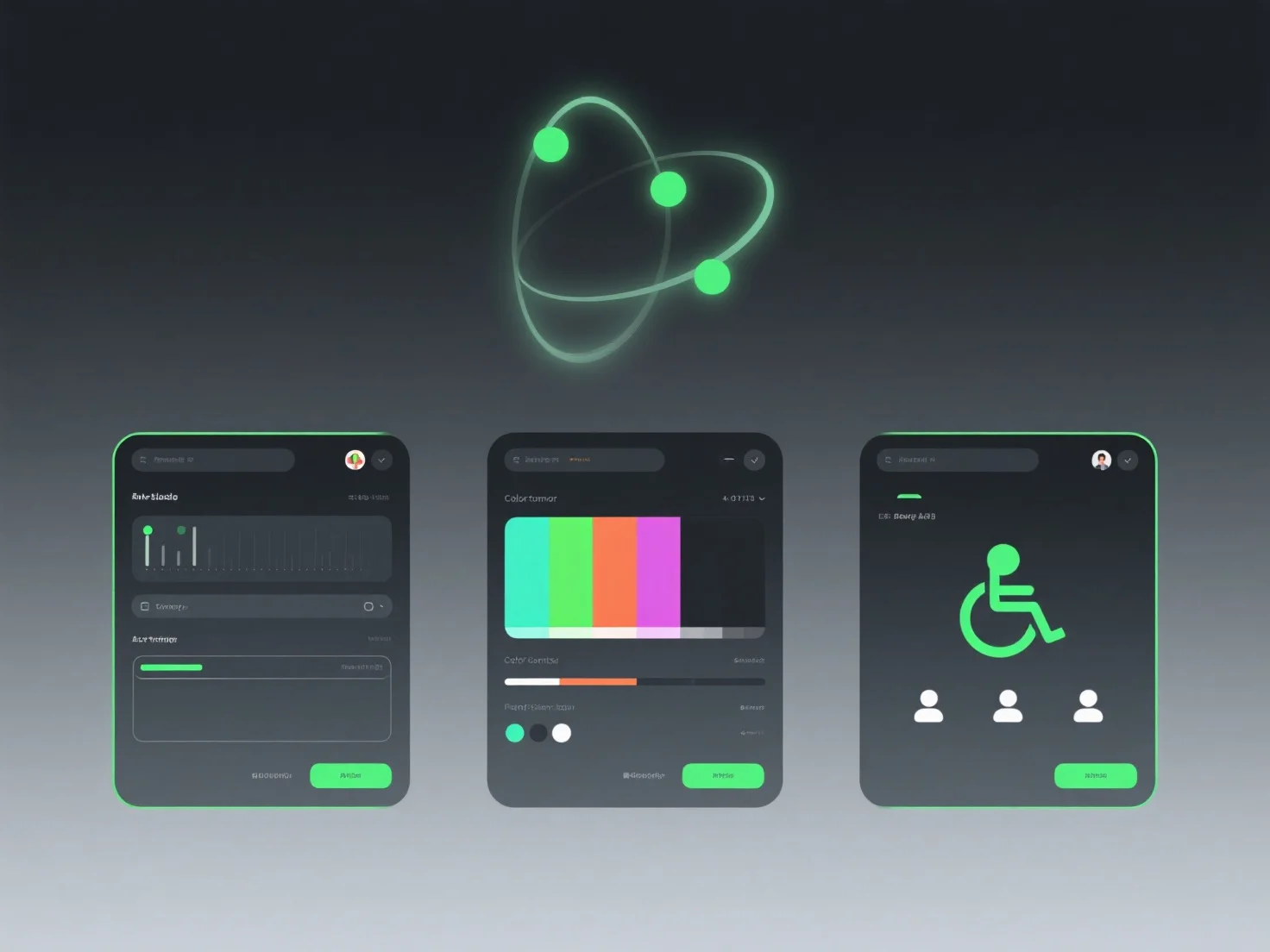
Different 3D modeling tools adhere to universal design standards by integrating core features that prioritize accessibility, cross-platform compatibility, and user inclusivity, ensuring alignment with broad usability requirements.
1. **Accessibility features**: They include screen reader support, keyboard shortcuts, and adjustable text/interface scales to assist users with varying abilities, such as those with visual or motor impairments. 2. **Universal file formats**: Support for widely accepted formats like OBJ, STL, or FBX enables seamless collaboration across tools and systems, avoiding format barriers. 3. **Intuitive workflows**: Simplified navigation, customizable layouts, and clear tool labeling reduce complexity, catering to users with different skill levels and learning needs.
By combining these elements, 3D modeling tools ensure adherence to universal design standards, making them accessible and functional for diverse users and scenarios.