


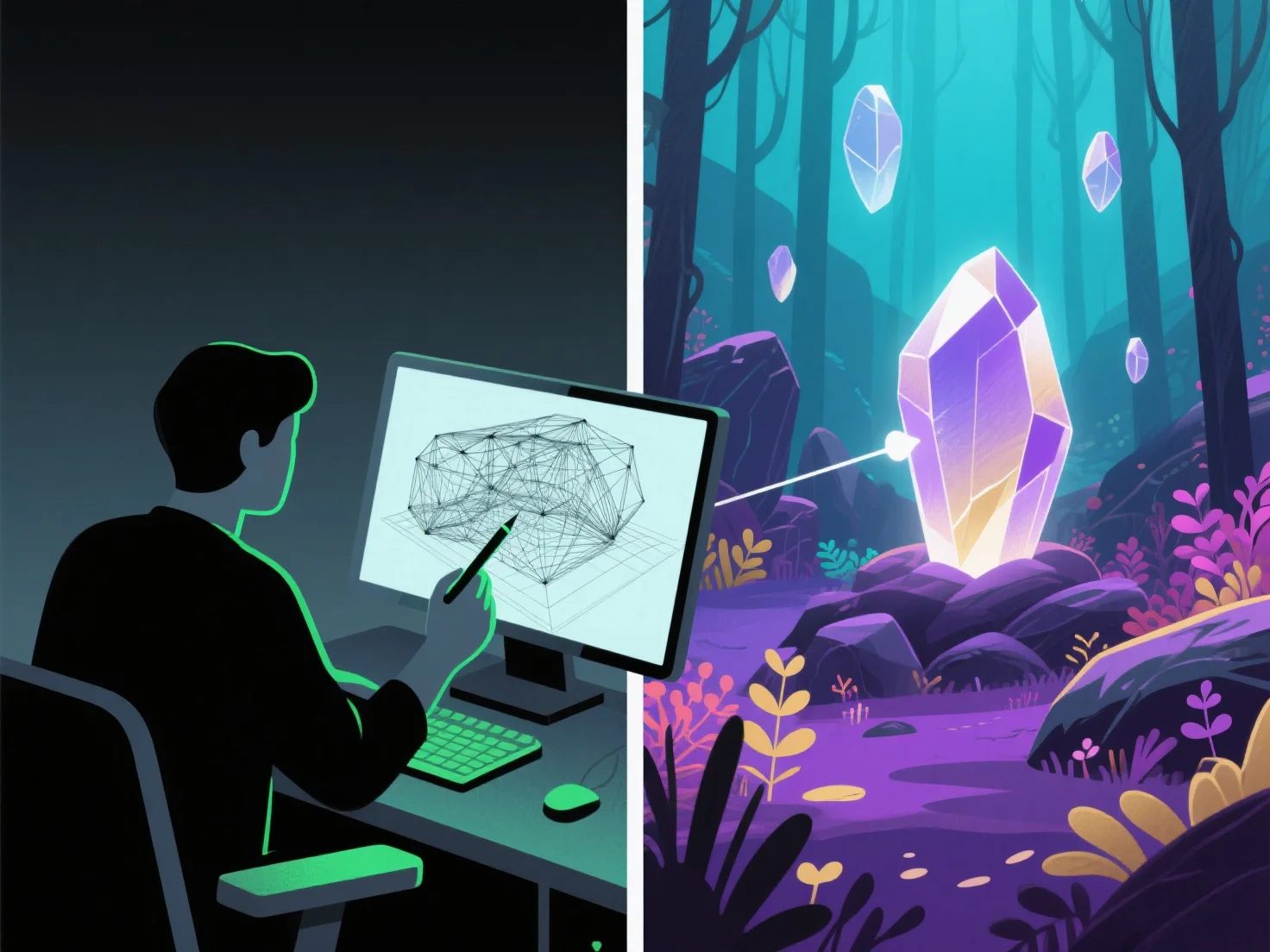
3D-Modellierer entwerfen VR-Umgebungen, indem sie Immersion, Funktionalität und Hardware-Optimierung durch einen strukturierten Prozess in Einklang bringen.
Sie beginnen damit, die Bedürfnisse der Benutzerinteraktion und die räumliche Skala zu definieren, um die Benutzerfreundlichkeit sicherzustellen, und erstellen anschließend erste Skizzen oder Storyboards, um das Layout und die Schlüsselelemente zu skizzieren. Als nächstes werden 3D-Assets (Terrain, Objekte, Texturen) mit Software wie Blender oder Maya modelliert, wobei der Schwerpunkt auf niedrigen Polygonzahlen und optimierten Größen liegt, um Verzögerungen bei VR-Hardware zu vermeiden. Beleuchtung, Sounddesign und Physiksimulationen werden hinzugefügt, um die Realität zu verbessern, während iterative Tests den Benutzerkomfort verbessern, z. B. durch flüssige Kameratransitionen zur Verringerung von Reisekrankheit.
Für Anfänger hilft es, mit einfachen Szenen in Unity oder Unreal Engine zu beginnen, um grundlegende Fähigkeiten in benutzerzentrierter Optimierung zu entwickeln.