Home/Hitem3D FAQ/How do 3D configurators compare across simple and complex products?

How do 3D configurators compare across simple and complex products?

3D configurators for simple/complex products differ in customizable options, user interaction, and technical integration needs.

How do 3D configurators compare across simple and complex products?

3D configurators for simple and complex products differ primarily in customizable option scope, user interaction depth, and technical integration needs.

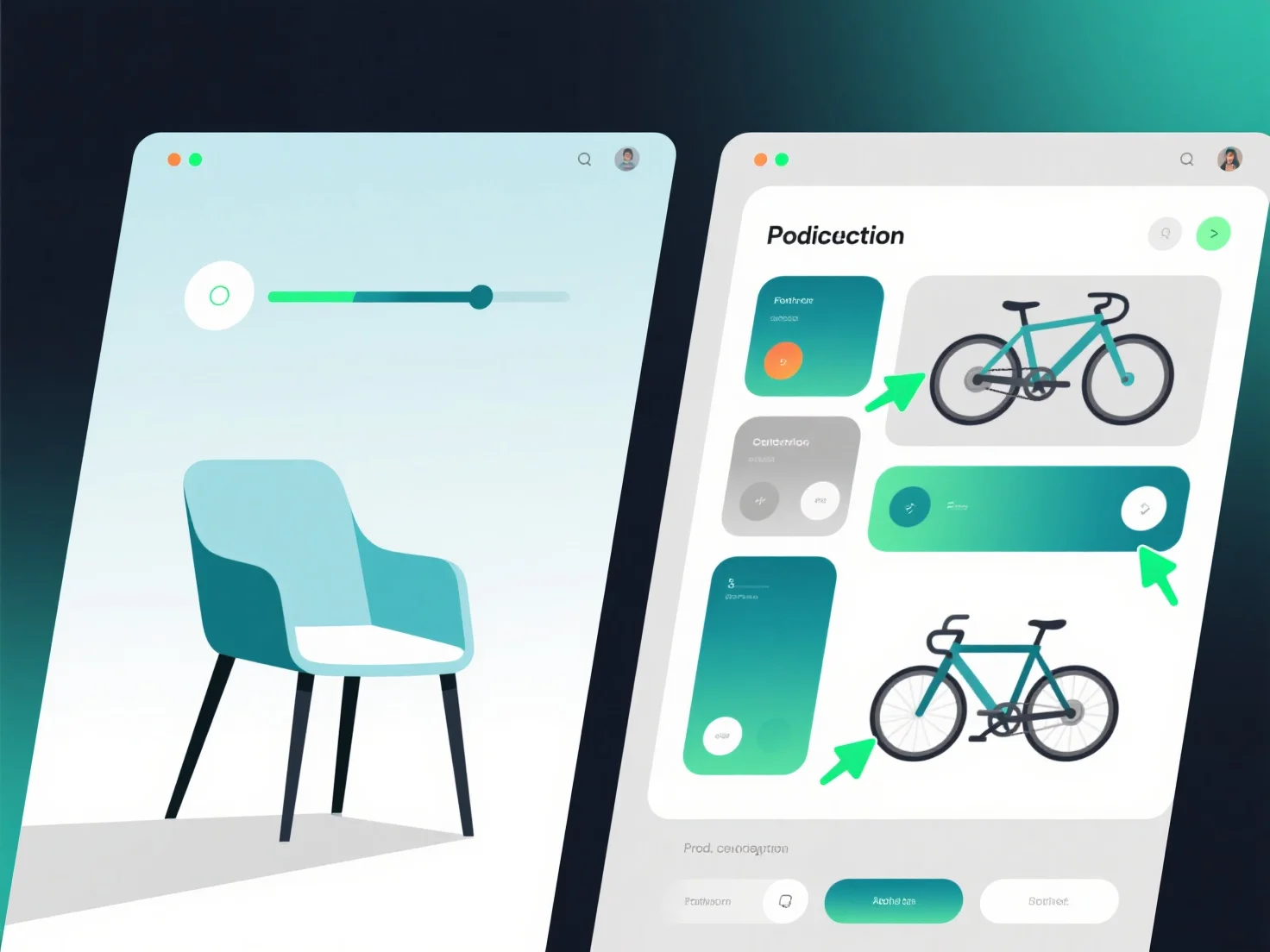
Simple product configurators handle a small set of static, non-interdependent choices (e.g., color, basic accessories) with intuitive interfaces, relying on basic 3D models and minimal backend logic.

Complex product configurators manage numerous dynamic, interrelated variables (e.g., materials, functional components, structural specs), requiring advanced rendering, rule-based constraints (to prevent invalid combinations), and integration with CAD/ERP systems for real-time validation.

For products with limited customizable features, simple configurators suffice for visualization; for multi-layered options affecting performance or design, complex ones ensure accurate, interactive previews.

PreviousNext
Produkt
Web Studio
API-Plattform
Funktionen
Bild zu 3D
Multi-View zu 3D
Relief
Segmentierung
Modelle
Allgemeines Modell
Porträtmodell
Ressourcen
Blog
FAQ
API-Dokumentation
Über uns
Preise