


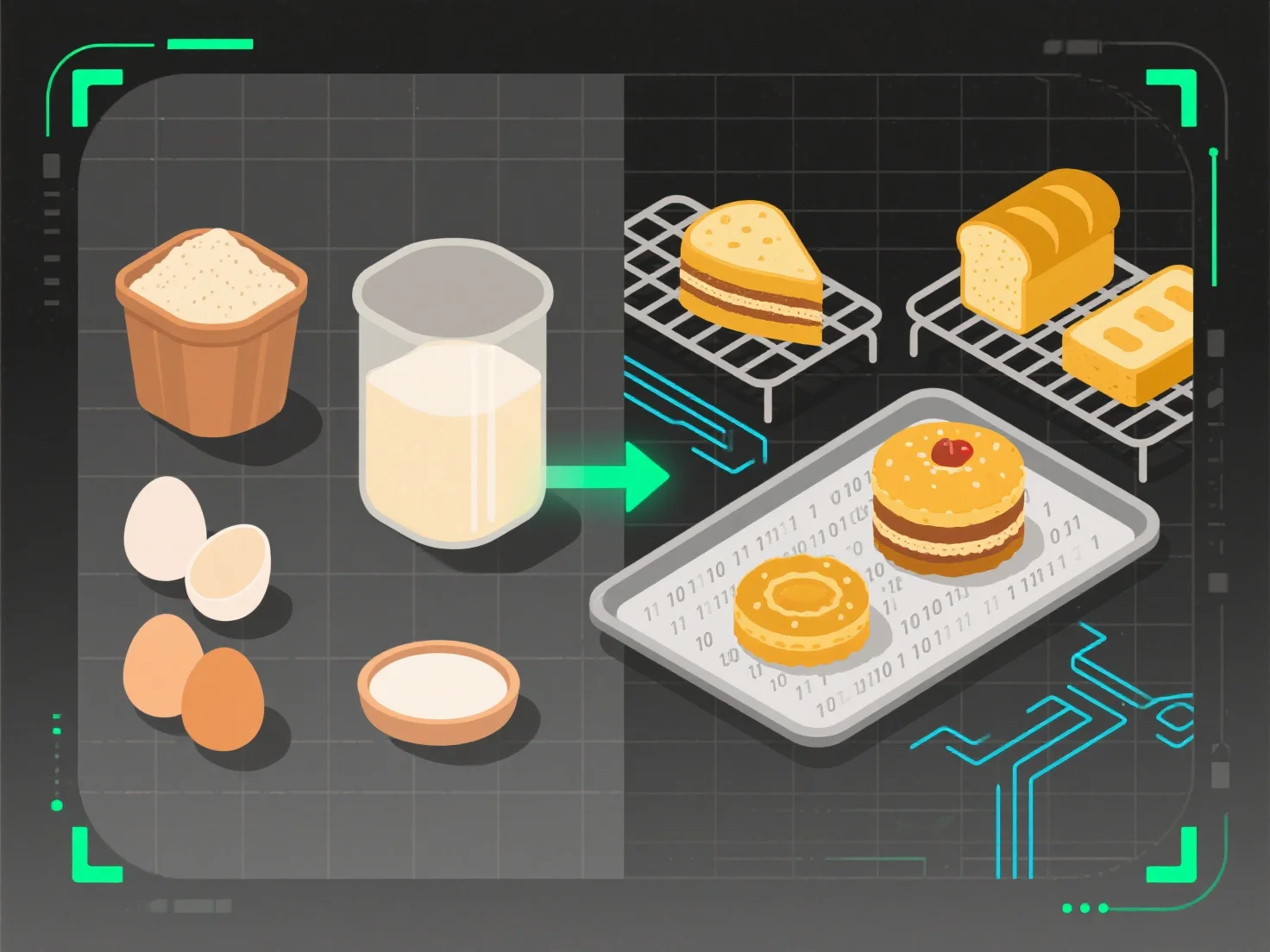
Das Backen verbessert die Echtzeit-Anwendungsleistung, indem komplexe visuelle Daten vorab berechnet werden.
Es konvertiert dynamische oder rechenintensive Effekte (wie globale Beleuchtung, Umgebungsokklusion) in vorgerenderte Texturen, die schneller geladen und gerendert werden, als sie während der Laufzeit neu berechnet zu werden.
Schlüsselanwendungen in verschiedenen Branchen: - Spieleentwicklung: Das Baken von Lightmaps für statische Szenen reduziert die GPU-Belastung und sorgt für hohe Bildraten. - AR/VR: Das Vorbaken von Schattendaten reduziert die Latenz und gewährleistet eine reibungslose Benutzerinteraktion. - Simulationen: Das Baken von Materialeigenschaften.
Um zu optimieren, sollten Sie nicht-dynamische Elemente prioritär backen. Dies ist eine weit verbreitete, zugängliche Methode, um Verzögerungen zu reduzieren.