


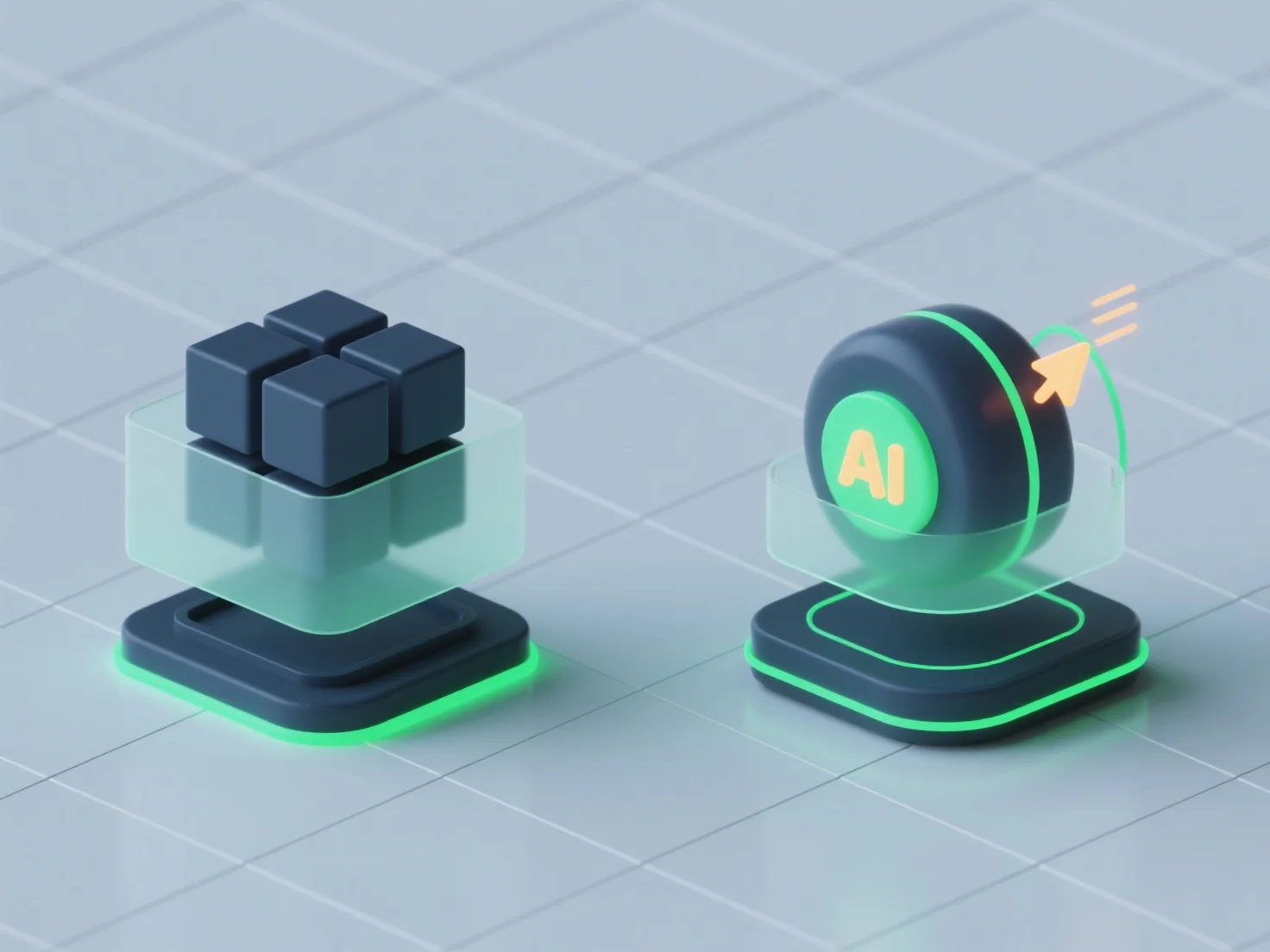
3D-Modelle helfen beim Vergleich von Designoptionen für Augmented-Reality-Erlebnisse, indem sie eine direkte Visualisierung und Bewertung der Schlüsselelemente verschiedener Designs ermöglichen und die Auswahl optimaler Lösungen vereinfachen.
Zunächst ermöglichen sie einen räumlichen Vergleich Seite an Seite: Designer können mehrere Layouts, Objektplatzierungen und Skalierungen in simulierten realen Kontexten betrachten und Unterschiede in der räumlichen Logik und Benutzerfreundlichkeit klar erkennen.
Zweitens unterstützen sie das Testen des Interaktionsflusses: 3D-Modelle simulieren Benutzerinteraktionen.
Drittens unterstützen sie technische Machbarkeitsprüfungen: Durch die Simulation der Rendering-Leistung und der Modellkomplexität helfen 3D-Modelle bei der Beurteilung, ob ein Design mit den Fähigkeiten der AR-Plattform übereinstimmt, und gewährleisten so eine praktische Umsetzung.
Zusammenfassend erleichtern 3D-Modelle den Vergleich von AR-Designoptionen, indem sie visuelle, interaktive und technische Einblicke zusammenführen und Designer zu Entscheidungen führen, die Funktionalität, Benutzererfahrung und Durchführbarkeit in Einklang bringen.