


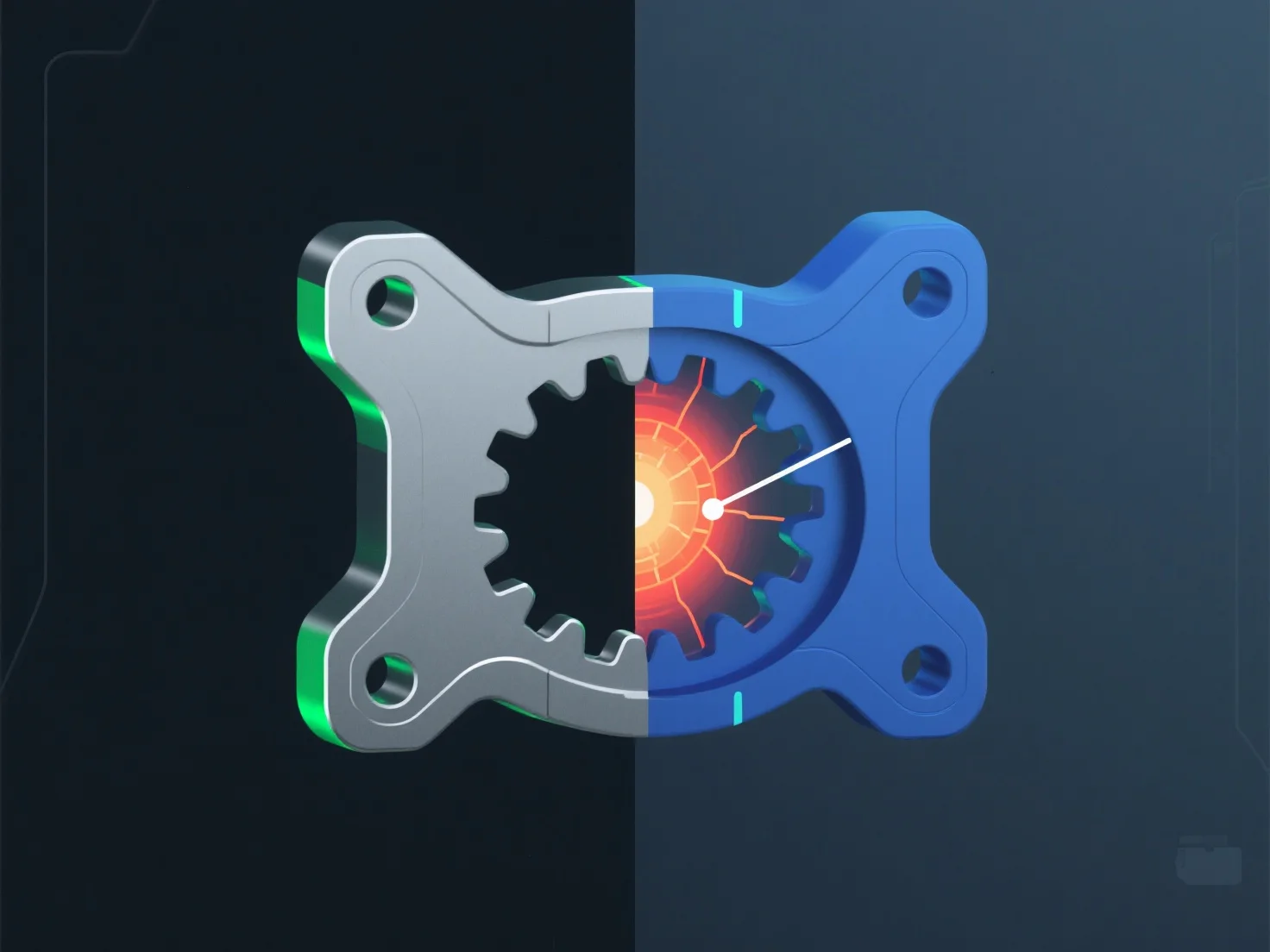
3D-Modellierung hilft, die Leistung verschiedener Materialien im Design zu vergleichen, indem ihre mechanischen, thermischen oder strukturellen Verhaltensweisen unter verschiedenen Bedingungen simuliert und analysiert werden, was eine effiziente Bewertung vor der physischen Prototypenerstellung ermöglicht.
Zunächst ermöglicht es die Eingabe von Materialeigenschaften.
Zweitens können Simulationen durchgeführt werden, um die Leistung unter Stress, Belastung oder Umweltfaktoren zu testen, und dabei zeigen, wie sich Materialien in realen Szenarien verhalten.
Drittens vereinfacht es den Vergleich von Materialien mit Designkriterien wie Haltbarkeit, Gewicht oder Kosten und hilft dabei, schnell die beste Lösung zu finden.
Dieser strukturierte Ansatz rationalisiert den Vergleichsprozess und macht 3D-Modellierung zu einem wichtigen Werkzeug für die Materialauswahl im Design.