


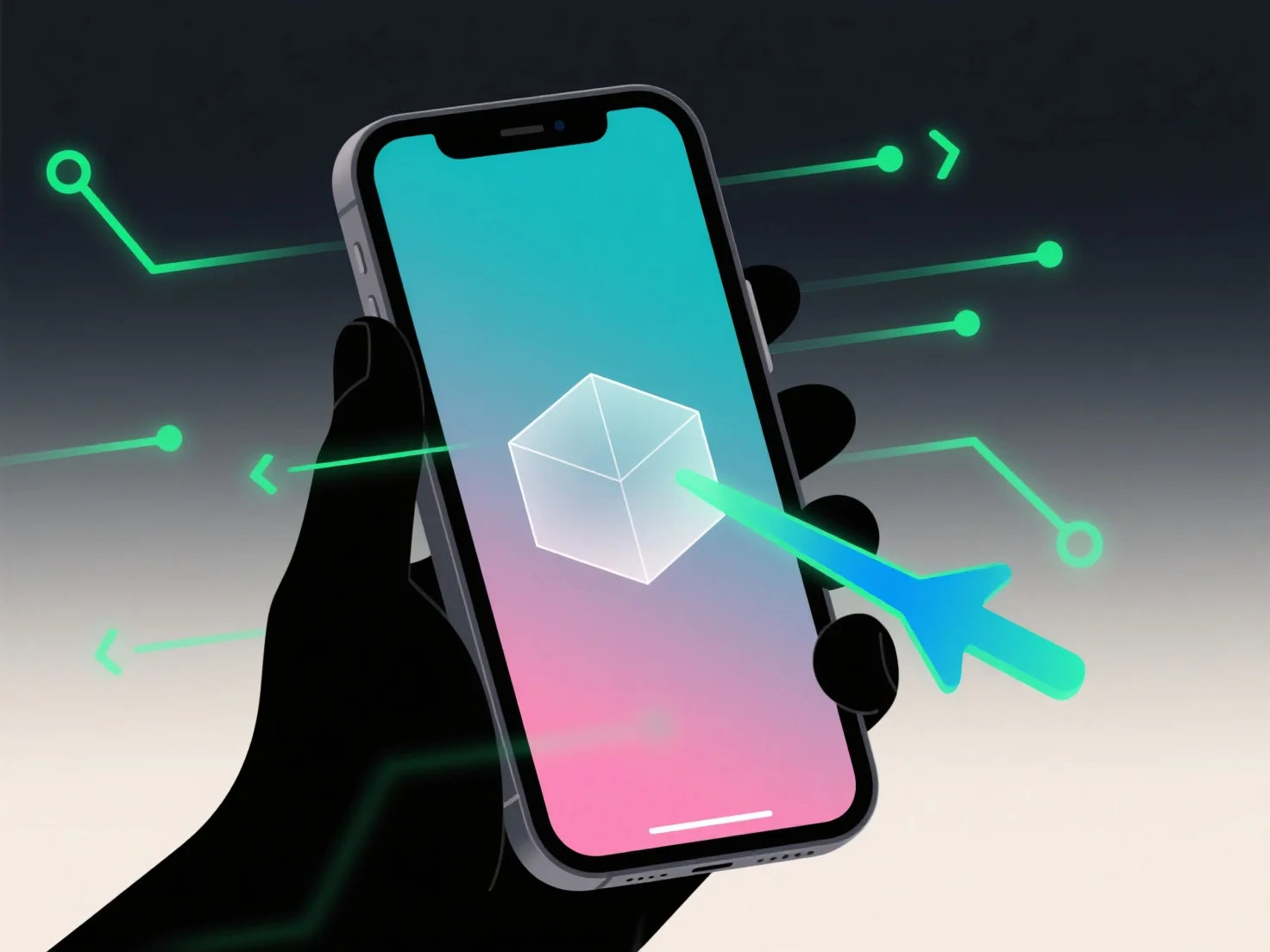
3D-Modelle werden in mobilen Anwendungen implementiert, indem optimierte 3D-Assets in Rendering-Engines oder SDKs integriert werden, um die Kompatibilität mit mobiler Hardware und Leistung zu gewährleisten.
Die wichtigsten Schritte umfassen: - **Vorbereitung der Assets**: Konvertieren Sie Modelle (erstellt in Tools wie Blender oder Maya) in für Mobilgeräte optimierte Formate (z. B. glTF, USDZ), um die Dateigröße zu reduzieren und die Ladezeit zu verbessern. - **Integration in die Engine/SDK**: Verwenden Sie 3D-Engines (Unity, Unreal Engine) oder leichtgewichtige Bibliotheken (Three.js für webbasierte Anwendungen), um Rendering, Animationen und Benutzerinteraktionen auf mobilen Geräten zu handhaben. - **Leistungsoptimierung**: Vereinfachen Sie Modell-Polygone, komprimieren Sie Texturen und optimieren Sie Shader, um den Speicherverbrauch zu reduzieren und eine reibungslose Laufzeitleistung auf mobiler Hardware sicherzustellen.
Dieser Ansatz balanciert die visuelle Qualität mit den Einschränkungen mobiler Geräte aus und ermöglicht eine nahtlose Implementierung von 3D-Modellen.