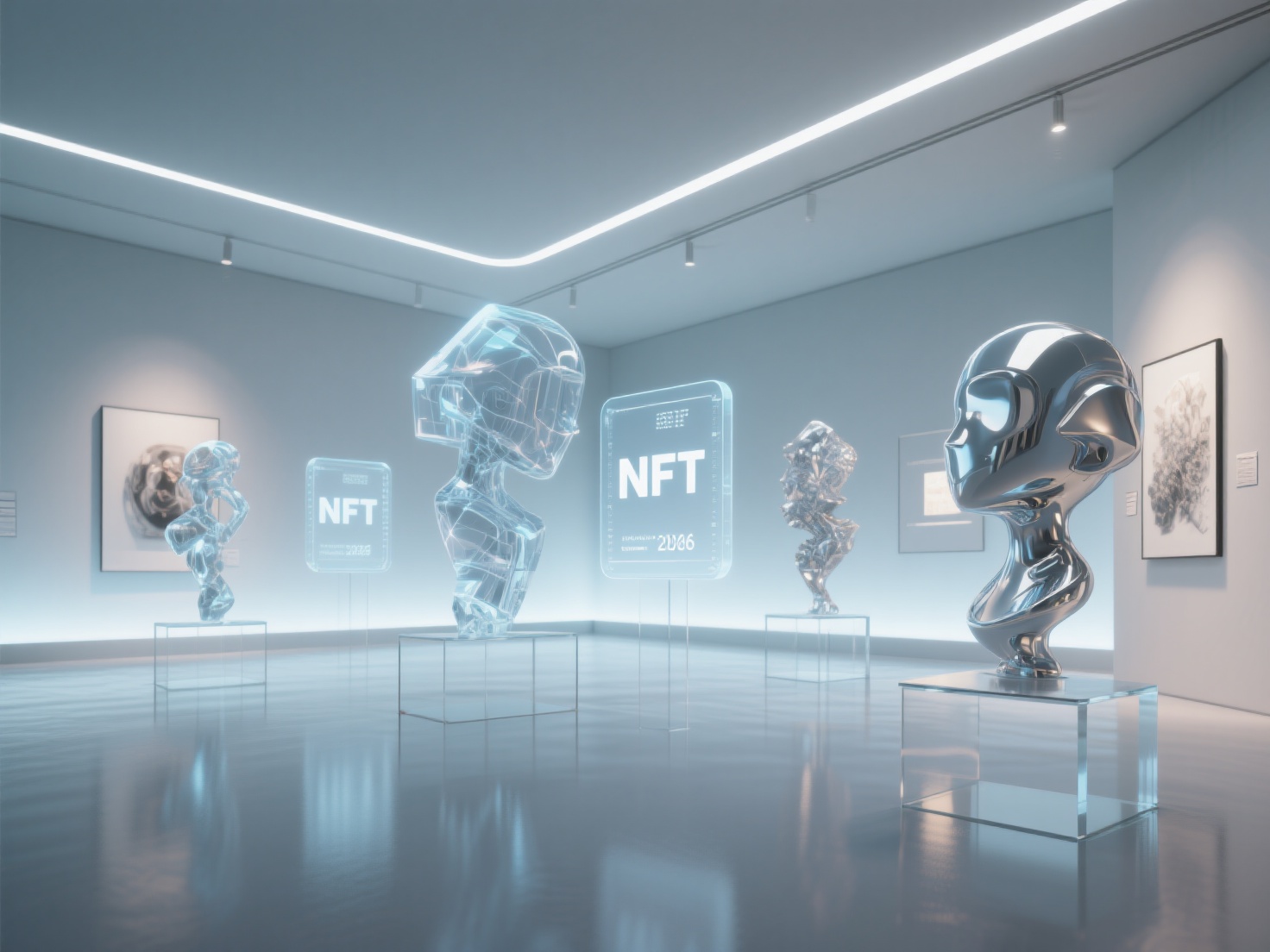
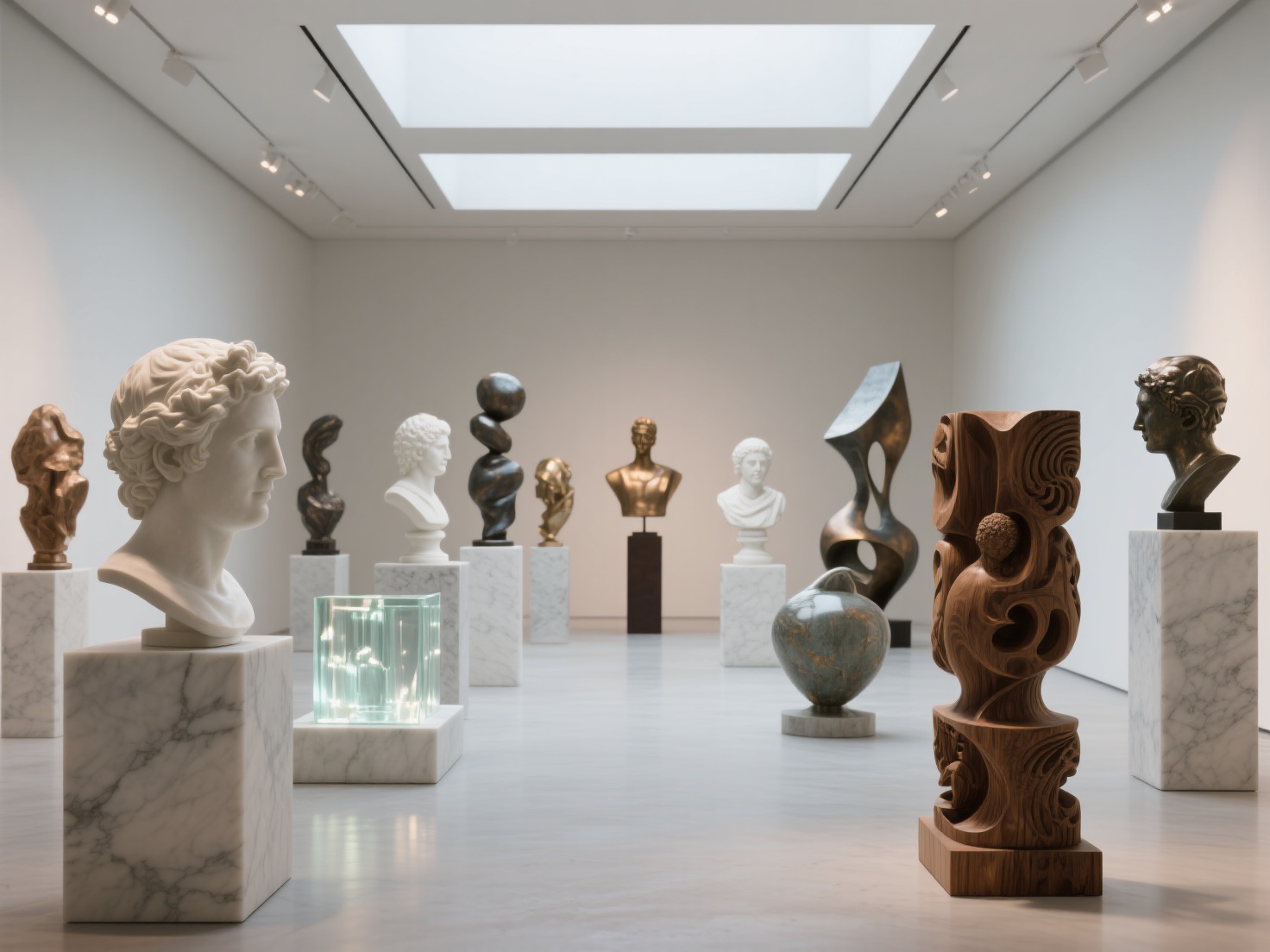
From ancient marble statues to modern 3D-printed digital art, the world of sculpture has always been a testament to human creativity. As art continuously evolves, so do the methods artists use to bring their three-dimensional visions to life. Understanding the various types of sculpture is essential for art students, collectors, and modern digital creators alike.
In the past, artists were limited by the physical materials they could carve, mold, or cast. Today, the boundary between physical and digital art is blurring. Whether you are examining classical Renaissance masterpieces or exploring next-generation AI-assisted 3D modeling, knowing the foundational sculpture styles and sculpture techniques provides a deeper appreciation of the medium.
In this comprehensive guide, we will explore the major forms of sculpture, the traditional and digital techniques used to create them, and how modern technology is reshaping the future of 3D art.
What is Sculpture?
Sculpture is a three-dimensional visual art form created by shaping, carving, modeling, or assembling physical or digital materials.
Unlike flat 2D paintings, sculptures occupy physical or virtual space, allowing viewers to observe them from multiple angles. Historically, sculpture was primarily focused on human and religious figures made of stone or bronze. Today, it encompasses a massive spectrum of materials, abstract concepts, and cutting-edge digital formats, evolving into one of the most dynamic disciplines in the art world.
Major Forms of Sculpture
When categorizing art, historians generally divide the forms of sculpture into three primary categories based on how they interact with space.
1. Relief Sculpture
A relief sculpture is attached to a solid background, meaning it is not fully three-dimensional and is meant to be viewed from the front. The figures project outward from the flat surface.
- Bas-Relief (Low Relief): The projection from the background is slight. A common everyday example is a coin.
- High Relief: The subjects project significantly from the background, often detaching entirely in certain areas. Ancient Greek temple friezes are classic examples.
Note: Today, artists can easily generate bas-relief models from 2D images using AI tools, a massive leap for modern sculptors and 3D printing enthusiasts.
2. Freestanding Sculpture (Sculpture in the Round)
This is what most people picture when they think of sculpture. Freestanding sculptures are completely unattached to any background and can be viewed from a 360-degree angle. From Michelangelo’s David to modern public park installations, these works command the space they occupy.
3. Kinetic and Installation Sculpture
Modern sculpture styles introduced movement and environment into the mix.
- Kinetic Sculpture: These artworks contain moving parts powered by wind, motors, or human interaction (e.g., Alexander Calder’s mobiles).
- Installation Art: Rather than a single object, the artist transforms an entire room or space, creating an immersive, three-dimensional environment that viewers can walk through.
Essential Sculpture Techniques and Processes
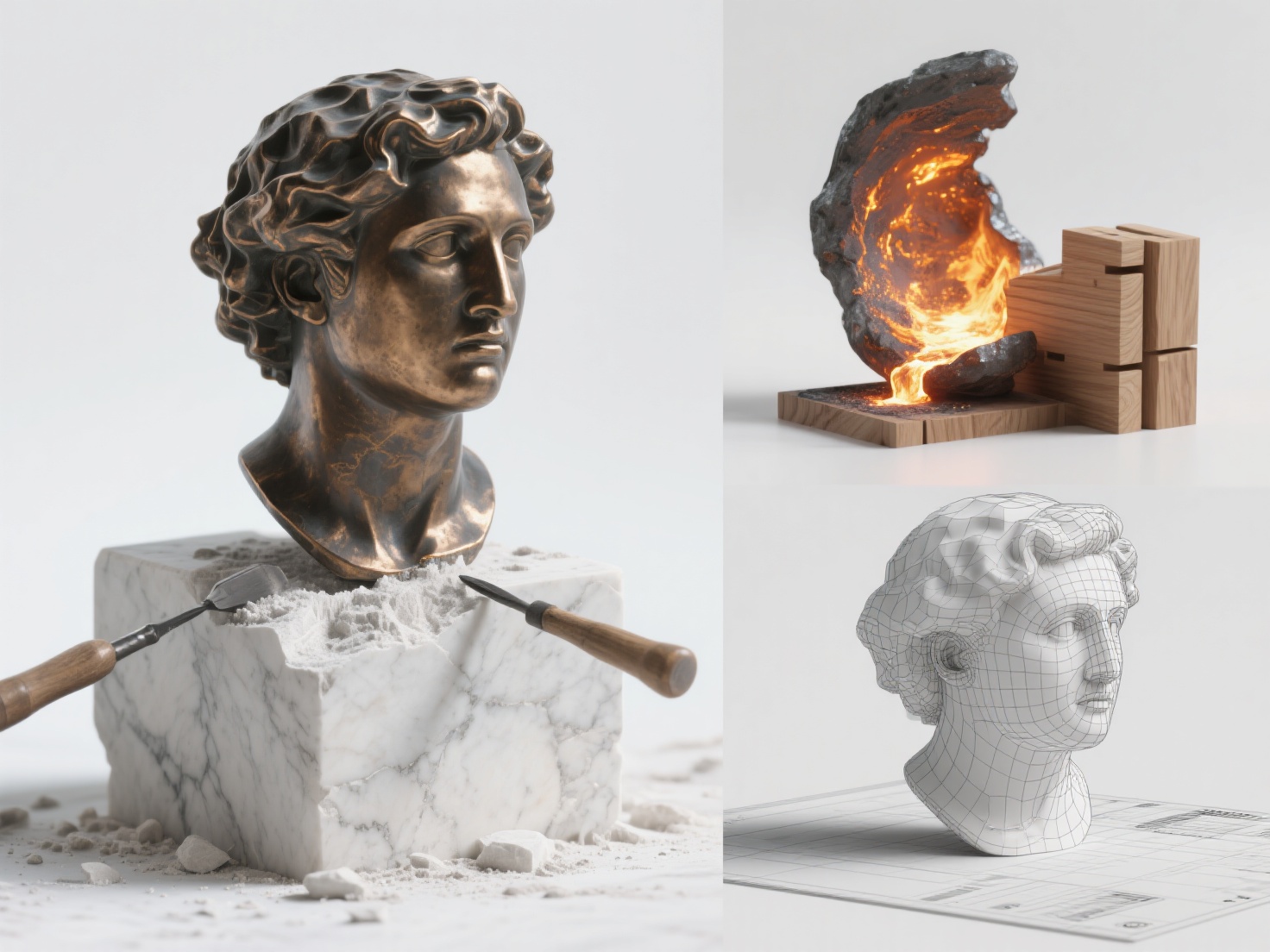
How exactly do artists manipulate materials? Throughout history, four foundational sculpture techniques have dominated the medium, joined recently by a revolutionary fifth.
1. Subtractive Technique: Carving
Carving involves starting with a solid block of material (like stone, wood, or ice) and systematically removing pieces until the final form is revealed. This is an unforgiving process; once material is removed, it cannot easily be put back. It requires immense precision and a deep understanding of the material’s grain and structural integrity.
2. Additive Technique: Modeling
Unlike carving, modeling is an additive process. The sculptor starts with nothing and builds the form using soft, pliable materials like clay, wax, or plaster. Because the material remains soft during the process, artists can constantly adjust, add, or remove elements, making it highly forgiving and expressive.
3. Casting and Molding
Casting is a reproduction technique. An artist first models a sculpture in a soft material (like clay), then creates a hollow mold around it. Molten material—most famously bronze, but also resin or glass—is poured into the mold. Once cooled and hardened, the mold is removed to reveal the final, durable sculpture.
4. Assembling and Welding
Rising to prominence in the 20th century, assembling involves gathering disparate materials (metal scraps, found objects, wood, plastics) and joining them together. Welding techniques allowed modernist artists to create sprawling, structural steel and iron works that traditional casting could never achieve.
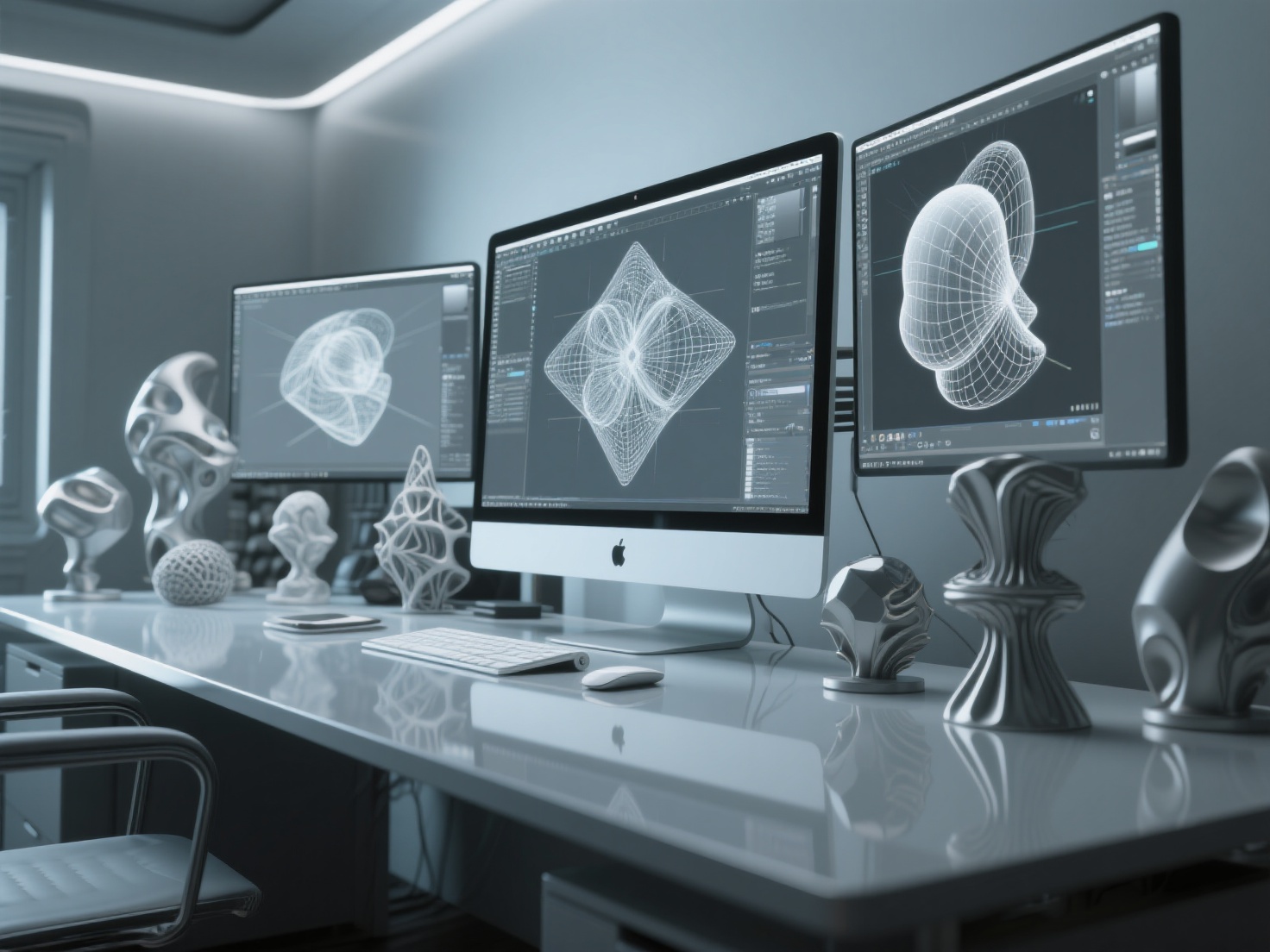
5. Digital Sculpting and 3D Modeling
The newest frontier in sculpture techniques is digital. Artists use specialized software (like ZBrush or Blender) to push, pull, and smooth virtual clay. These digital sculptures can be used as assets in video games, rendered for film VFX, or brought into the physical world via CNC milling and 3D printing.
Traditional vs. Modern Materials in Sculpture Styles
The evolution of types of sculpture is deeply tied to the materials available to the artist. Here is a quick comparison of how material choices influence the final piece:
| Material Type | Common Mediums | Characteristics & Sculpture Styles |
|---|---|---|
| Classical | Marble, Limestone, Granite | Heavy, permanent, requires carving. Favored by Classical and Renaissance movements for depicting idealized human forms. |
| Malleable | Clay, Wax, Plaster | Soft, forgiving, used for modeling. Essential for preliminary studies or pieces destined for bronze casting. |
| Industrial | Steel, Iron, Glass, Found Objects | Introduced during the Modernist movement. Allows for abstract, geometric, and structural assembly. |
| Digital | Polygons, Voxels, AI Generated Geometry | Weightless, infinitely editable. Used in contemporary art, game development, and 3D printing workflows. |
Real-World Applications: From Galleries to the Digital Realm
Understanding these types of sculpture is not just for art historians; it has highly practical applications across multiple modern industries:
- Physical Art & Collectibles: Traditional modeling and casting remain the gold standard for fine art gallery exhibitions, public monuments, and high-end collectible statues.
- Game Development & Film VFX: Digital sculpting is the backbone of the entertainment industry. Every character, creature, and environmental prop in modern video games and blockbuster movies starts as a digital sculpture.
- 3D Printing & Manufacturing: The explosion of desktop 3D printing allows hobbyists and product designers to turn digital sculptures into physical objects in hours, bridging the gap between digital modeling and physical assembly.
- Jewelry Design & Architecture: High-precision digital sculpting and 3D relief techniques are used to prototype intricate jewelry pieces and architectural facades before physical manufacturing.
Best Practices for Aspiring Sculptors in the Digital Age
Whether you are molding physical clay or adjusting digital vertices, here are actionable tips to master modern sculpture styles:
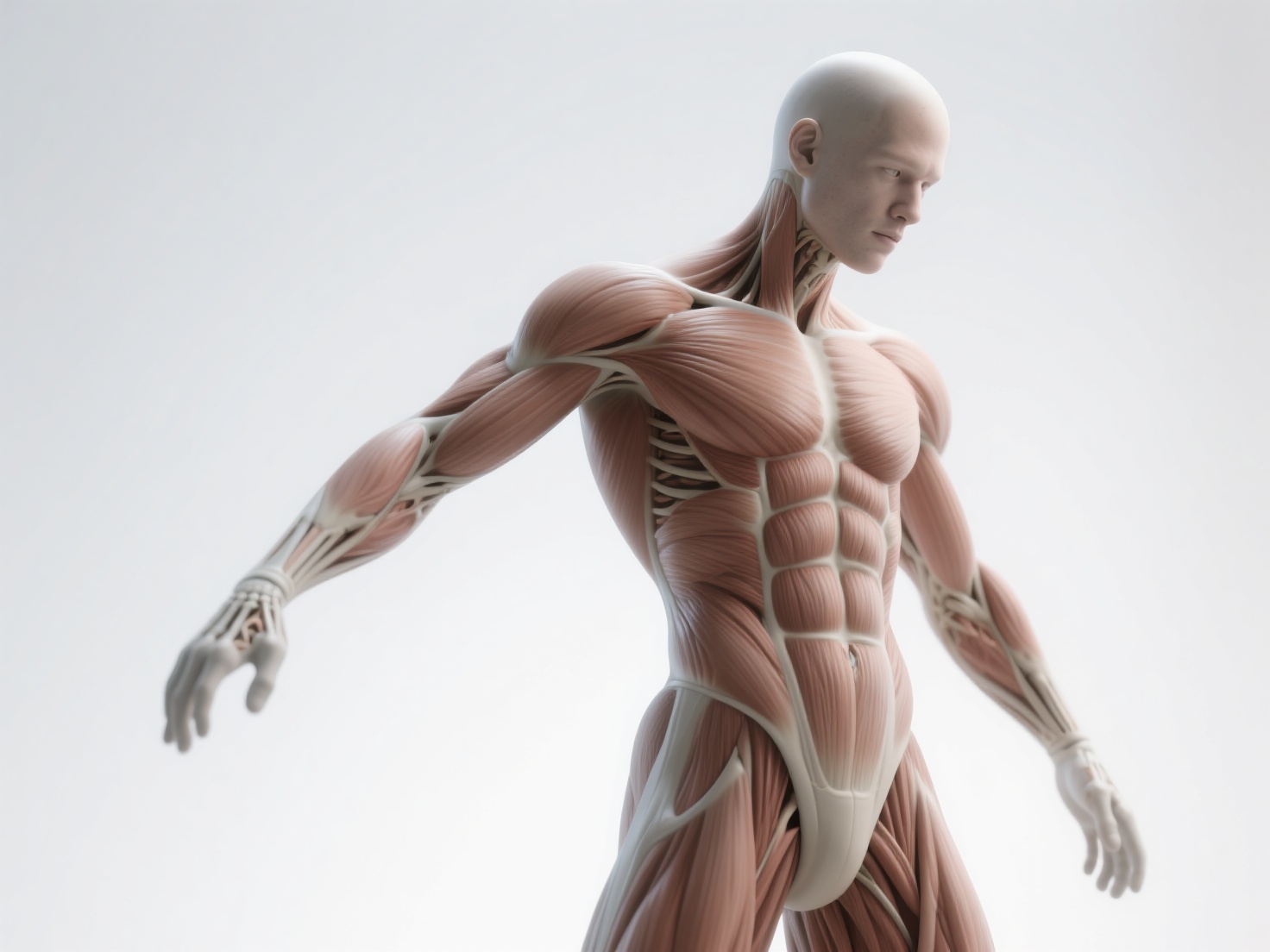
- Master Anatomy and Proportion: Regardless of the medium, a solid understanding of fundamental shapes, skeletal structures, and lighting is crucial. Study traditional works to inform your digital creations.
- Embrace Hybrid Workflows: The best modern creators do not limit themselves. You can sketch a concept on paper, use AI tools to generate a 3D base mesh, digitally sculpt the finer details, and physically 3D print the final result.
- Optimize for your Final Medium: If you are creating a digital sculpture for 3D printing, ensure your geometry is clean, manifold (watertight), and features sharp edges that a printer can easily resolve.
- Leverage AI to Overcome Bottlenecks: Do not spend days blocking out a base mesh if technology can do it in seconds. Use AI generation to quickly test concepts, generate 3D reliefs, and prototype forms before refining them.
Conclusion & Step into the Future with Hitem3D
The world of sculpture has journeyed from chipping away at stone to manipulating digital polygons in virtual space. By understanding the diverse types of sculpture—from classical freestanding statues to modern digital reliefs—creators can choose the best sculpture techniques to bring their artistic visions to life.
Today, transitioning from a 2D concept sketch to a production-ready 3D sculpture can still be incredibly time-consuming. This is where Hitem3D bridges the gap.
Hitem3D is a next-generation AI-powered 3D model generator designed for modern creators, game developers, and 3D printing enthusiasts. Built on the proprietary Sparc3D (high precision) and Ultra3D (high efficiency) models, Hitem3D completely revolutionizes the digital sculpting workflow.
- Image to 3D: Simply upload a 2D reference image, and Hitem3D will generate a full 3D model. Its advanced AI even reconstructs invisible and hidden parts beyond the visible surfaces, delivering print-ready geometry with sharp edges.
- Instant 3D Reliefs: Perfect for traditional relief sculpture fans, the platform instantly converts 2D images into beautifully layered, depth-accurate bas-relief models.
- AI Texturing & Multi-Color: Generate stunning 4K PBR-ready materials with De-Lighted Texture processing (removing baked-in lighting for true relightable assets). You can also instantly segment models into clean color regions for multi-color 3D printing.
- Seamless Workflow: Enjoy a Free Retry system to perfect your results, and use the one-click direct send feature to export models straight into Bambu Studio and OrcaSlicer.
Whether you are crafting fine art reliefs or generating characters for a game, Hitem3D gives you the power to sculpt with the speed of AI.
Create For Free today and transform your imagination into high-fidelity 3D reality.
Frequently Asked Questions (FAQ)
What are the 4 main types of sculpture techniques?
Historically, the four foundational techniques are carving (subtractive), modeling (additive), casting (molding and reproducing), and assembling (joining materials together). Today, digital 3D sculpting is widely considered the fifth major technique.
What is the difference between relief and freestanding sculpture?
A relief sculpture is physically attached to a background and is meant to be viewed from the front (like a carved wall panel or a coin). A freestanding sculpture (or sculpture in the round) stands completely unattached and can be viewed from all 360 degrees.
How has digital technology changed sculpture styles?
Digital technology has removed the physical limitations of gravity and material cost. Software allows for infinite editing without ruining the piece, while AI tools like Hitem3D can instantly generate 3D geometry and bas-reliefs from 2D images. These digital models can then be physically realized using 3D printers or CNC machines.