In the fiercely competitive worlds of game development, film VFX, product design, and digital sculpting, your resume is only as good as the visuals that back it up. A striking 3D art portfolio is the ultimate key to unlocking new career opportunities, whether you are trying to land a studio job, attract high-paying freelance clients, or secure gallery exhibitions for your physical art.
However, creating stunning 3D models is only half the battle. Presenting them in a way that proves your technical competence and artistic vision is what separates amateurs from professionals. If you are wondering how to build art portfolio that commands attention, you need a strategic approach that highlights your strengths, speaks directly to your target audience, and showcases a polished workflow.
In this comprehensive guide, we will break down the essential steps to curating, presenting, and elevating your digital art portfolio.
What is a 3D Art Portfolio?
A 3D art portfolio is a carefully curated digital collection of an artist’s best three-dimensional models, sculptures, and renders, designed to demonstrate their technical proficiency, artistic style, and problem-solving abilities to potential employers or clients.
For search engines and industry recruiters alike, an effective portfolio isn’t just an image gallery; it is a visual breakdown of your entire creative pipeline—from base mesh and topology to final PBR texturing and lighting.
Core Steps for Building a Winning 3D Art Portfolio
Building a standout portfolio requires intentional curation. Here are the foundational steps to ensure your work leaves a lasting impression.
1. Define Your Niche and Target Audience
Before uploading a single render, you must know who you are speaking to. Generalist portfolios often struggle to gain traction because studios usually hire for specific roles.
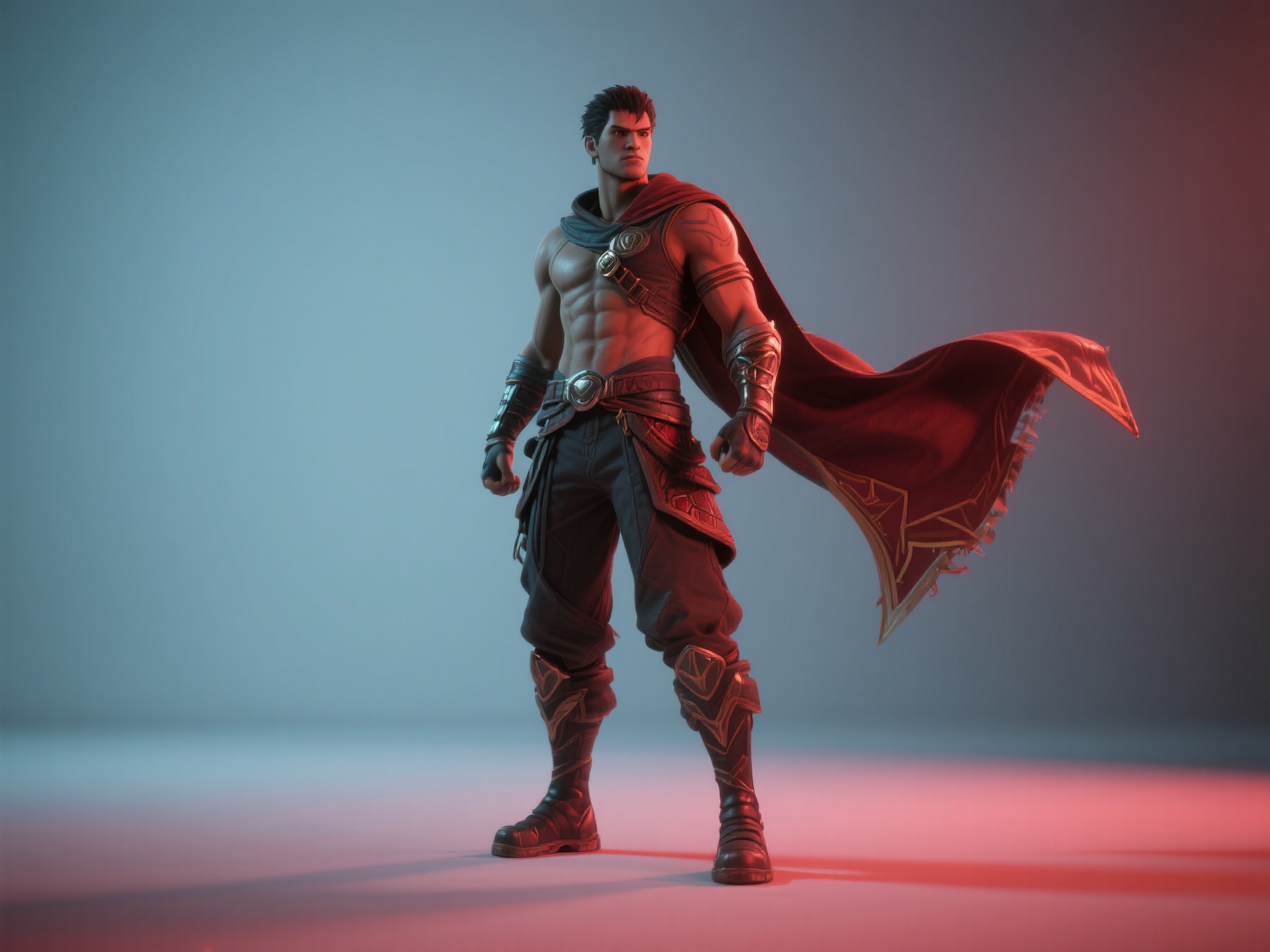
- Characters vs. Environments: Are you a character artist focusing on anatomy and grooming, or an environment artist excelling in modular kits and hard-surface props?
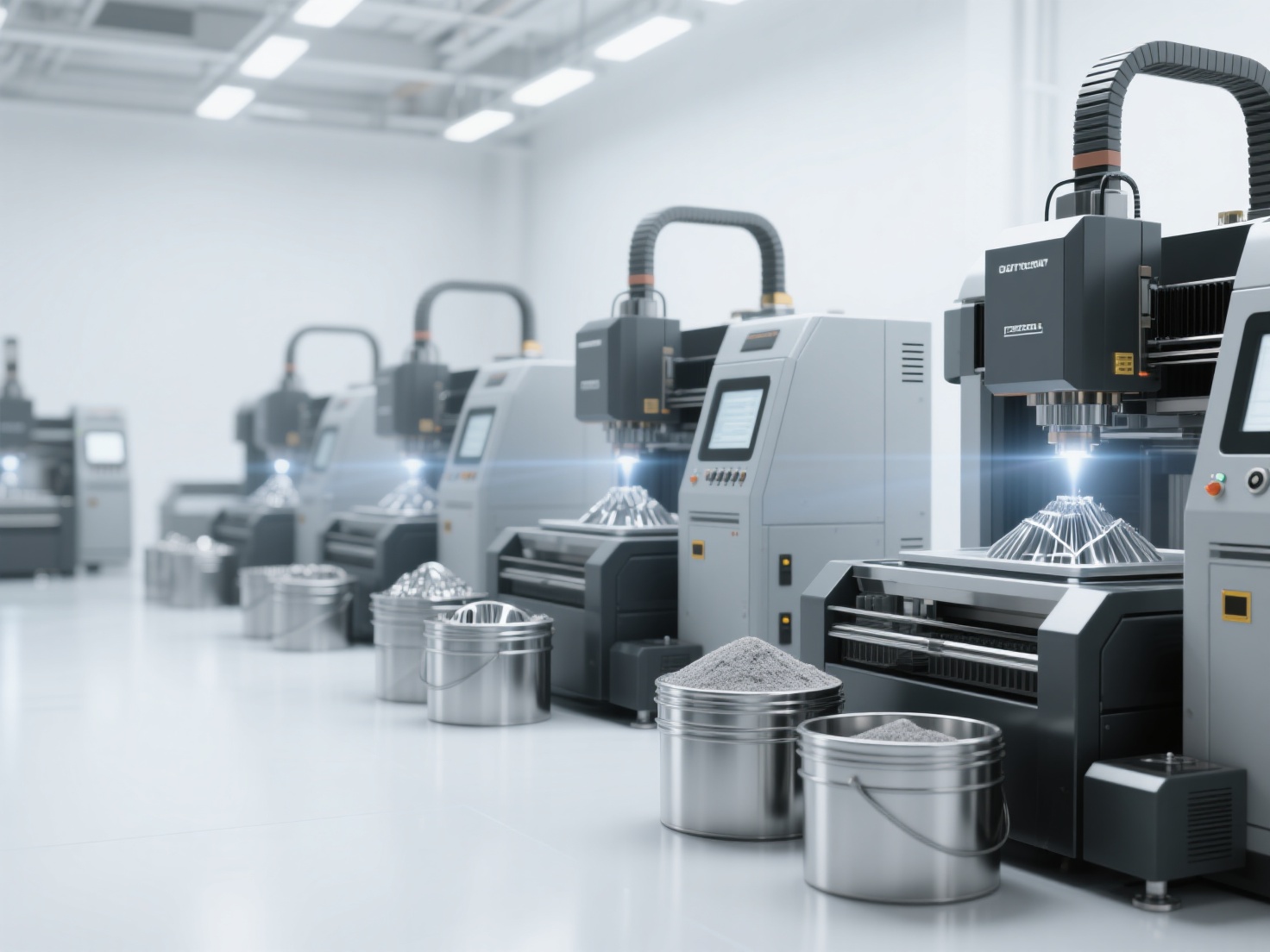
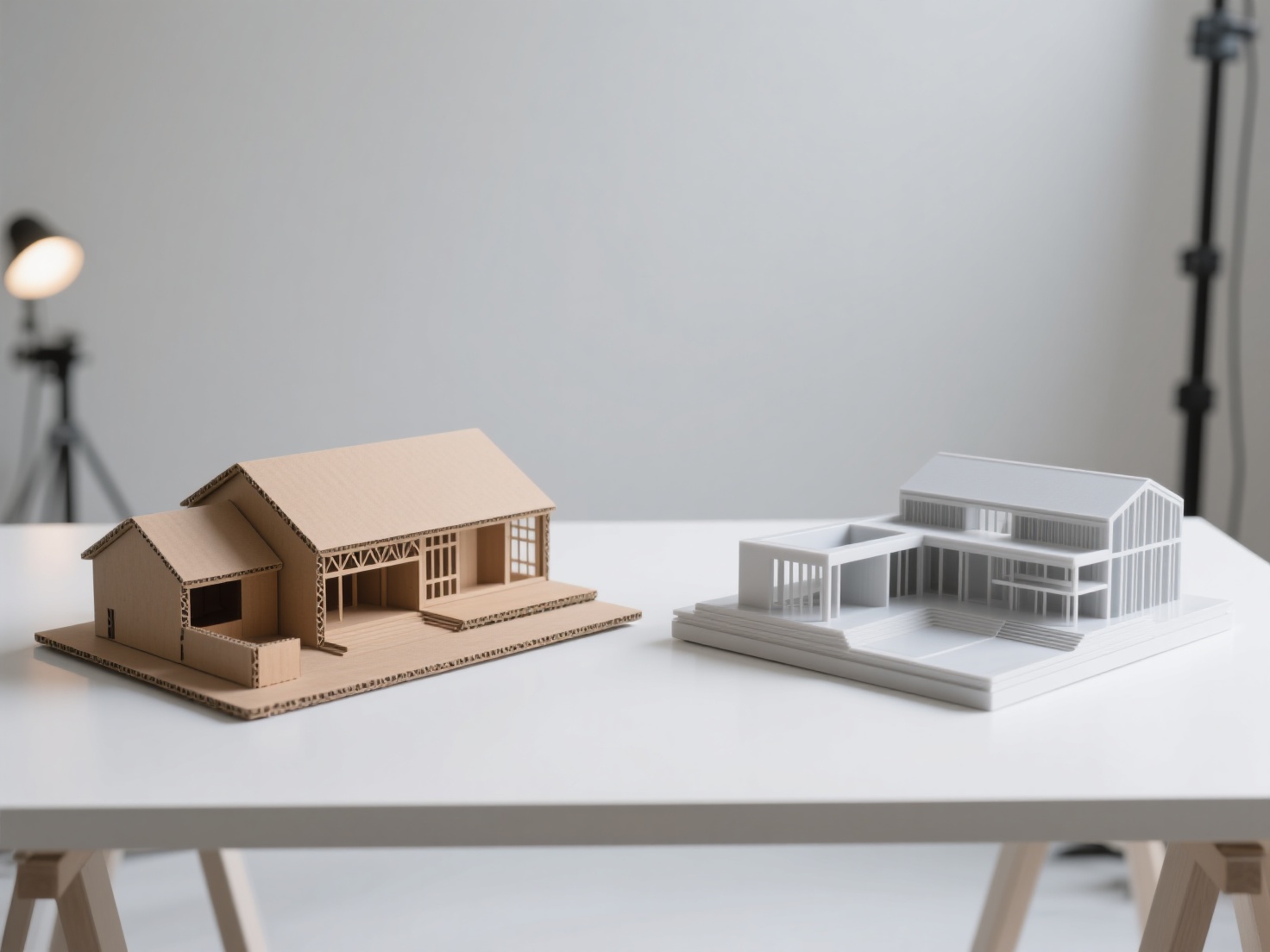
- Digital vs. Physical: Are you optimizing models for real-time game engines, or creating high-poly digital sculptures intended for 3D printing and physical manufacturing?
Tailor the overall theme of your portfolio to the exact job or freelance niche you want to dominate.
2. Curate Your Best Work (Quality Over Quantity)
One of the most crucial 3D artist portfolio tips is the golden rule of curation: Quality always trumps quantity. A portfolio with three masterpiece projects will consistently outperform a portfolio with ten mediocre ones. Recruiters will judge your skill level based on your weakest piece. If a 3D sculpt does not represent your current technical abilities, remove it. Focus on showcasing only the artwork that proves you are ready for the industry standard.
3. Master Presentation Renders and Turntables
A brilliant 3D model can be easily ruined by flat lighting and poor rendering. Your presentation must be flawless. For each major project, include:
- Hero Shot: The final, beautifully lit, fully textured beauty render.
- Turntables: A 360-degree video or interactive viewer (like Sketchfab) to prove the model holds up from every angle.
- Technical Breakdown: Wireframe overlays to show clean edge flow, clay renders to highlight geometric detail, and UV layout sheets.
- Texture Maps: Display your Albedo, Normal, Roughness, and Metallic maps.
4. Write Compelling Project Descriptions
Art directors want to know how you think. Use the description area to explain your workflow. Mention the software used (e.g., ZBrush, Blender, Maya, Substance Painter). Did you encounter a specific challenge, like optimizing a 2M polygon sculpt down to a 50k polygon game-ready asset? Explaining your problem-solving process adds immense professional value to your digital art portfolio.
Where and How to Showcase Your Digital Art Portfolio
Once your assets are curated, you need the right platform to host them. Different platforms serve different purposes in the 3D industry.
Platform Comparison for 3D Artists
| Platform | Best For | Key Advantages |
|---|---|---|
| ArtStation | Game Dev, VFX, Animation | The undisputed industry standard. High visibility to recruiters, built-in 3D viewer support, and a highly professional community. |
| Behance | Product Design, ArchViz, Advertising | Great for broader design appeal. Allows for beautiful, magazine-style project case studies with rich text and imagery integration. |
| Personal Website | Freelancers, Studio Founders, Fine Art | Ultimate control over branding, no competitor distractions, and the ability to integrate custom SEO and direct booking forms. |
Tailoring for Specific Goals
- For Studio Jobs: Focus heavily on technical breakdowns. Studios need to know your topology is clean, your UVs are optimized, and your naming conventions make sense in a pipeline.
- For Freelance Clients: Focus on the final result and turnaround time. Clients care less about edge loops and more about whether the final product looks stunning and meets their business needs.
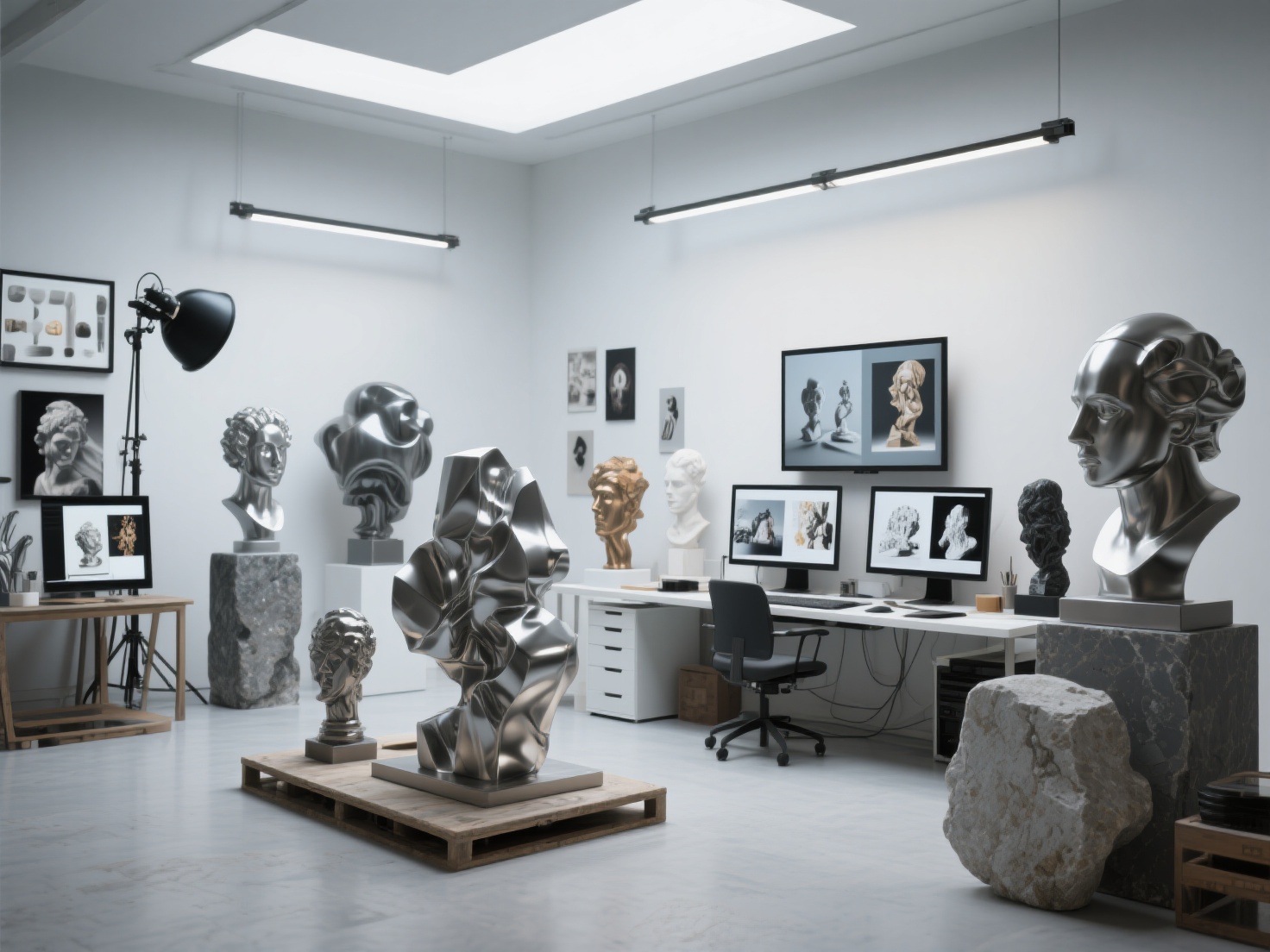
- For Galleries & 3D Printing: Highlight your digital sculptures using physical material renders (like bronze or marble). Emphasize watertight meshes and smooth depth transitions.
3D Artist Portfolio Tips and Best Practices
To keep your portfolio sharp, you must adopt the habits of top-tier industry professionals.
Seek Feedback and Iterate
Never build your portfolio in a vacuum. Post your Work-in-Progress (WIP) shots to forums like Polycount or specialized Discord communities. Constructive criticism on your anatomy, lighting, or texture scales can elevate a good piece to an exceptional one before it permanently sits in your portfolio.
Keep It Current
The 3D industry evolves rapidly. A portfolio from 2018 showcasing outdated rendering techniques will not help you today. Make it a habit to replace your oldest piece of work every time you complete a new, superior project.
Accelerate Portfolio Generation with AI (Enter Hitem3D)
One of the biggest hurdles when figuring out how to build art portfolio is the sheer amount of time it takes to create a fully realized scene. Sometimes you need background props to contextualize your hero character, or you want to rapidly explore a new artistic concept without spending weeks poly-modeling. This is where next-generation AI tools become your secret weapon.
Hitem3D is an AI-powered platform designed to transform 2D images into high-fidelity, production-ready 3D models. Built on the proprietary Sparc3D (high precision) and Ultra3D (high efficiency) models, it is the perfect companion for 3D artists and sculptors looking to expand their portfolios efficiently.
Here is how Hitem3D can elevate your workflow:
- Rapid Asset Generation: Need a complex background prop for your character’s diorama? Hitem3D’s Image to 3D feature reconstructs invisible and hidden parts beyond visible surfaces, delivering complete, print-ready geometry with sharp edges.
- Flawless Portfolio Renders: Presentation requires realistic materials. Hitem3D offers AI Texturing that generates 4K resolution PBR-ready textures. Its intelligent De-Lighted Texture processing removes baked-in lighting and shadows, giving you true relightable materials that look perfect under any custom HDR lighting setup you create for your portfolio.
- Perfect for Sculptors: If your niche is physical art, Hitem3D’s 3D Relief feature converts images into layered bas-relief models with smooth depth transitions. Plus, with resolutions up to 1536³ Pro (up to 2M polygons), the output retains the crisp details expected in high-end digital sculpting.
- Risk-Free Experimentation: Thanks to Hitem3D’s unique Free Retry system, you can regenerate results without spending additional credits, allowing you to perfect your base meshes before taking them into ZBrush or Blender for the final portfolio polish.
Conclusion
Knowing how to build art portfolio that truly stands out requires a blend of artistic excellence, strict curation, and professional presentation. By defining your niche, focusing on quality, mastering your rendering techniques, and utilizing the right platforms, you can create a digital presence that irresistibly draws in recruiters and clients.
Furthermore, embracing modern workflows and AI technologies allows you to work smarter, not just harder. By integrating advanced tools into your pipeline, you can bypass tedious modeling tasks and focus entirely on the creative detailing that makes your art unique.
Ready to rapidly expand your 3D portfolio, generate highly detailed base meshes, and access stunning 4K PBR textures in minutes?
Create For Free -> hitem3d.ai
Frequently Asked Questions (FAQ)
1. How many pieces should be in a 3D art portfolio?
Ideally, aim for 3 to 5 exceptionally high-quality projects. Recruiters have limited time and will usually only look at your top few pieces. It is far better to have three masterpieces than ten average pieces that dilute the overall quality of your portfolio.
2. Should I include WIP (Work in Progress) shots in my portfolio?
Generally, keep your main portfolio strictly for finished, polished work. However, if a WIP demonstrates a highly complex technical problem you successfully solved (like a complex rig or advanced node-based material), you can include it as a dedicated technical breakdown post. Otherwise, save WIPs for your blog or social media.
3. How do I protect my 3D art from being stolen online?
While you cannot prevent theft entirely, you can deter it. Watermark your renders subtly, avoid uploading source files (like .OBJ or .FBX) unless necessary for a specific client, and use 3D viewers that compress and encrypt the mesh data (like Sketchfab’s viewer settings).
4. Do I need a personal website, or is ArtStation enough?
For artists looking for full-time studio roles in gaming or VFX, an ArtStation profile is often sufficient and highly expected. However, if you are a freelance 3D artist, digital sculptor, or running a 3D printing business, a personal website is highly recommended as it establishes stronger brand authority and allows you to capture client leads directly.