The additive manufacturing landscape is evolving at a breakneck pace. What was once a slow, niche prototyping tool has transformed into a robust engine for global production and creative expression. As we look toward the future of 3D printing, hardware and software are converging to solve decades-old challenges in speed, precision, and material limitations.
For industry professionals, investors, and forward-thinking makers, understanding the top 3D printing trends 2026 is critical for staying competitive. Traditional workflows are being completely rewritten by intelligent software and faster hardware. In this article, we will explore the 10 most impactful 3D printing innovations, from the rise of AI 3D printing to the democratization of advanced materials.
What is the Future of 3D Printing?
The future of 3D printing is a highly automated, AI-driven manufacturing ecosystem that combines intelligent model generation, multi-material capabilities, and sustainable practices to produce end-use parts, biological tissues, and complex geometries instantly and efficiently.
Top 10 3D Printing Innovations Shaping 2026
The coming years will see unprecedented shifts in how we design and manufacture physical objects. Here are the 10 key trends you need to watch.
1. AI-Powered 3D Model Generation (AI 3D Printing)
Historically, the biggest bottleneck in 3D printing has been the steep learning curve of 3D modeling. AI 3D printing tools are completely dismantling this barrier. Next-generation platforms can now generate print-ready geometry directly from simple 2D images.
This is where platforms like Hitem3D are revolutionizing the industry. As a next-generation AI-powered 3D model generator, Hitem3D uses its in-house Sparc3D (high precision) and Ultra3D (high efficiency) models to transform a single or multi-view image into a production-ready 3D model. Unlike early AI tools that only created surface meshes, Hitem3D reconstructs invisible/hidden parts beyond visible surfaces, ensuring geometric accuracy up to 1536³ Pro resolution (2M polygons).
- Current State: Rapidly maturing; tools now output reliable GLB, OBJ, and STL files.
- Potential Impact: Reduces 3D modeling time from days to minutes.
- Timeline: Mainstream adoption by professionals and hobbyists by late 2025.
2. Multi-Material and Multi-Color Printing
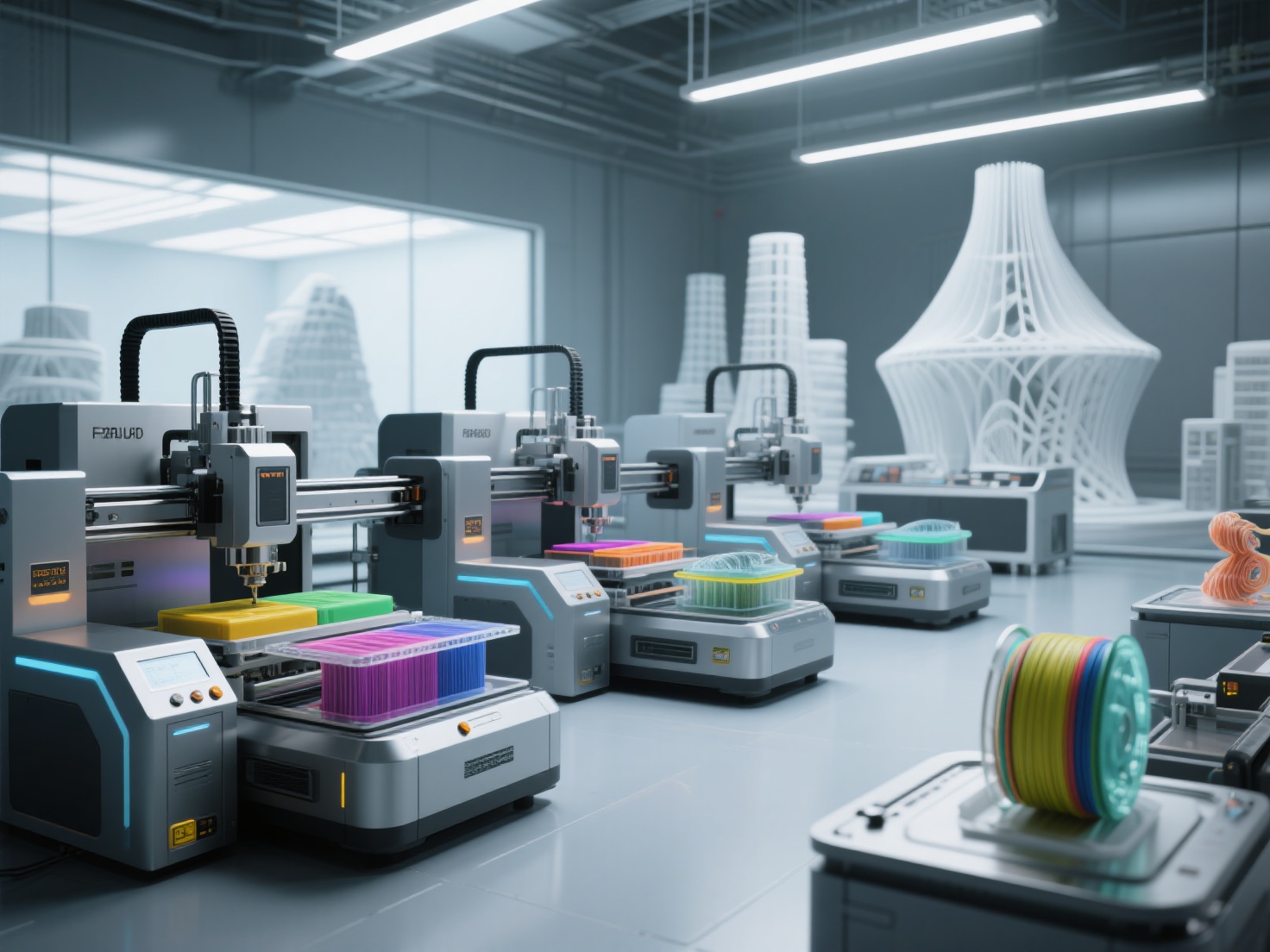
Single-color filament printing is becoming a thing of the past. The demand for vibrant, multi-color physical models is driving rapid hardware and software innovations.
AI software now perfectly complements this hardware. For instance, Hitem3D’s Multi-Color Model Segmentation instantly segments generated models into clean color regions. Even better, it offers a one-click direct send to Bambu Studio and OrcaSlicer for seamless, colorful 3D printing.
- Current State: Consumer-grade multi-color hardware is booming.
- Potential Impact: Eliminates the need for post-processing and hand-painting.
- Timeline: Will be the standard for desktop printers by 2026.
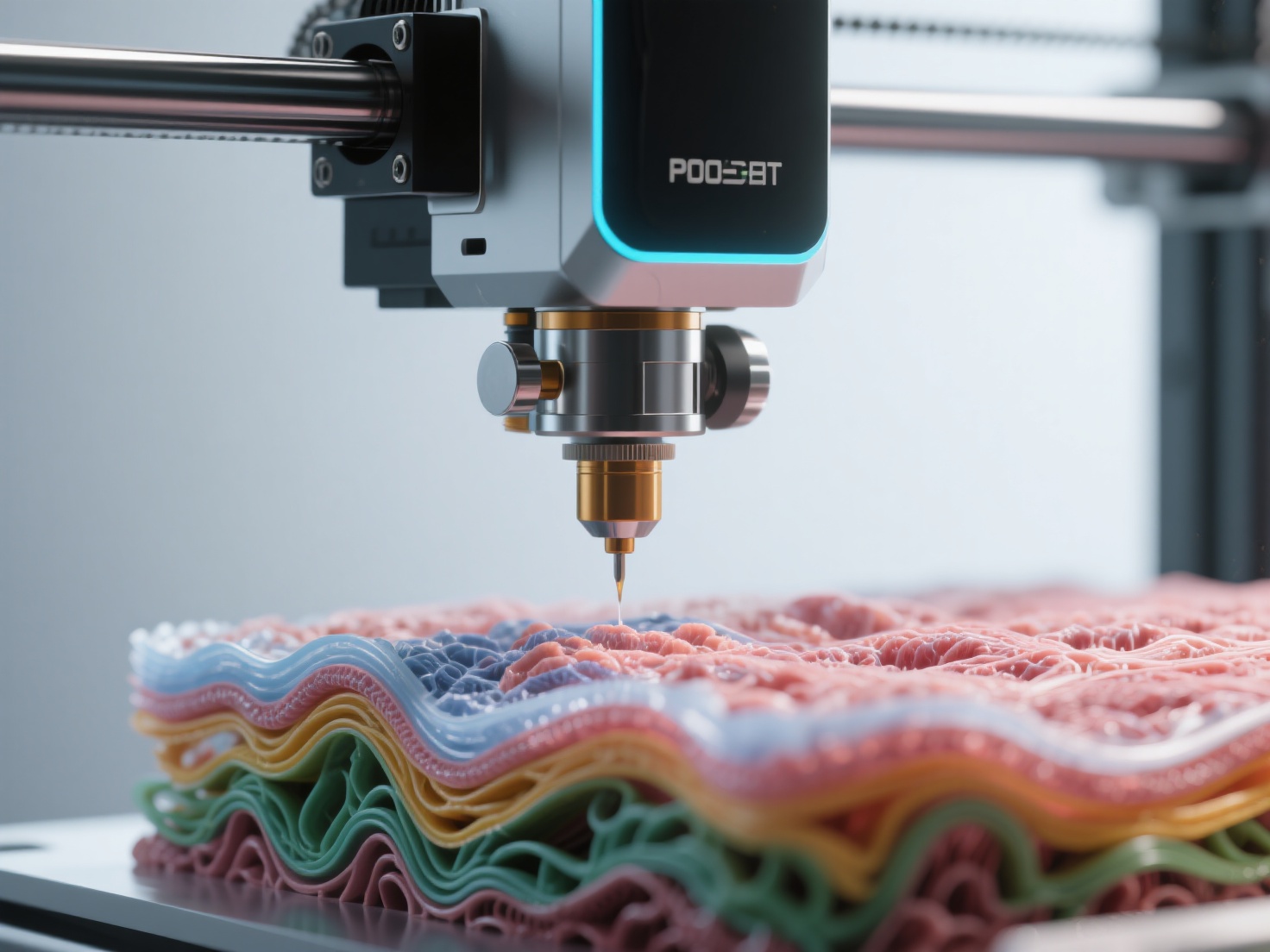
3. Advancements in Bioprinting
Bioprinting is moving from the lab to clinical applications. Researchers are successfully printing complex vascular networks and tissue structures using bio-inks made from living cells.
- Current State: Clinical trials for basic tissues (like skin and cartilage) are underway.
- Potential Impact: Revolutionizing organ transplants and personalized medicine.
- Timeline: Functional, printable organs are still a decade away, but advanced tissue testing will peak by 2026.
4. Sustainable and Recycled Materials
As the industry scales, so does its environmental footprint. The future of 3D printing relies heavily on sustainable practices, including the use of recycled PLA, ocean plastics, and bio-based resins.
- Current State: Recycled filaments are becoming widely available and affordable.
- Potential Impact: Drastically reduces plastic waste in the manufacturing sector.
- Timeline: Eco-friendly materials will hold the majority market share by 2026.
5. Large-Scale Construction Printing
3D printing is literally changing the skyline. Construction companies are using massive robotic arms to extrude concrete, building entire neighborhoods in a fraction of the time it takes traditional builders.
- Current State: Proof-of-concept homes and small communities are being built globally.
- Potential Impact: Solves housing shortages and reduces construction waste.
- Timeline: Regulatory approvals and scaling will see a massive spike in 2026.
6. Radical Speed Improvements
Speed has always been additive manufacturing’s Achilles’ heel. However, high-speed FDM printers and continuous resin printing technologies are pushing extrusion limits. Modern printers are now operating at speeds 5 to 10 times faster than those from just three years ago.
- Current State: Desktop printers routinely hit 500mm/s print speeds.
- Potential Impact: Shifts 3D printing from prototyping to mass manufacturing.
- Timeline: Already happening, with exponential growth expected through 2026.
7. Cloud-Based Print Farms
Distributed manufacturing allows creators to upload a file and have it printed by a global network of print farms. This decentralized approach reduces shipping costs and carbon emissions while scaling production effortlessly.
- Current State: Popular among boutique hardware startups and designers.
- Potential Impact: Democratizes access to industrial-grade manufacturing.
- Timeline: Standard practice for mid-sized hardware businesses by 2026.
8. 4D Printing (Shape-Changing Materials)
4D printing adds the dimension of time. Objects are 3D printed using smart materials that change shape or self-assemble when exposed to stimuli like heat, water, or light.
- Current State: Mostly confined to academic research and aerospace R&D.
- Potential Impact: Self-repairing pipes, adaptable medical stents, and smart clothing.
- Timeline: Early commercial applications will emerge around 2026.
9. Democratization of Metal 3D Printing
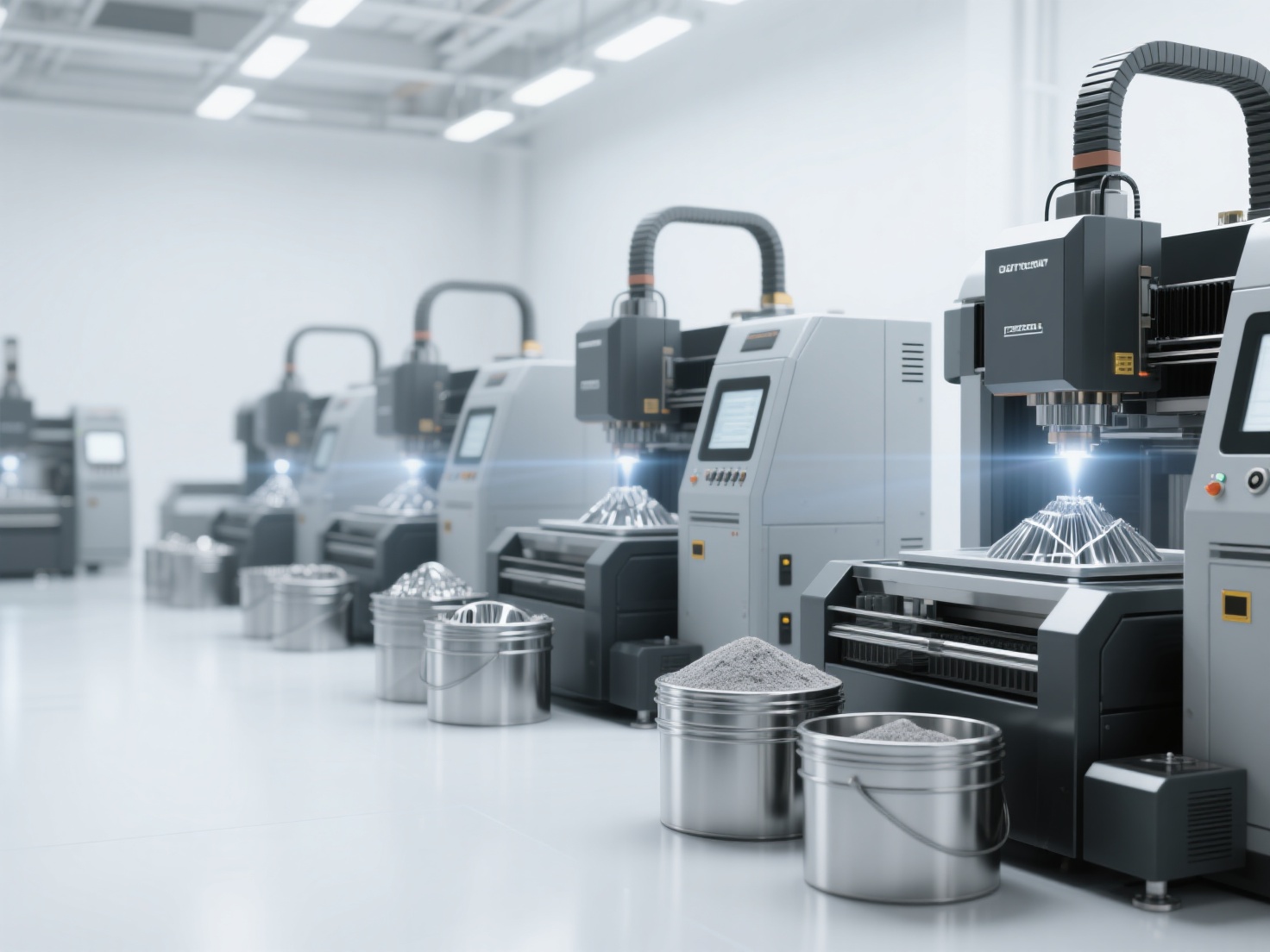
Historically costing hundreds of thousands of dollars, metal 3D printing is finally becoming accessible. Desktop metal printers that use bound-metal deposition (BMD) are making it possible for small engineering firms to print structural metal parts.
- Current State: Mid-range metal printers are hitting the market.
- Potential Impact: Disrupts traditional CNC machining and casting.
- Timeline: Significant price drops will drive adoption in 2026.
10. AR/VR Integration in Design Workflows
Spatial computing is merging with physical creation. Designers can now sculpt models in virtual reality, visualize how a part fits into an assembly using augmented reality, and send it straight to the printer.
- Current State: High-end design studios are actively using VR sculpting tools.
- Potential Impact: Creates a more intuitive, hands-on design process.
- Timeline: Deep integration with major CAD software by 2026.
Real-World Applications of the Future of 3D Printing
How do these 3D printing trends 2026 translate into real-world value? Here are a few ways these technologies are already being applied:
- Game Development & VFX: Studios require thousands of unique background assets. Using AI generation, creators can turn concept art into 3D models instantly. Tools like Hitem3D provide De-Lighted Textures (intelligently removing baked-in lighting for true relightable 4K PBR materials) and export in FBX and USDZ formats, seamlessly integrating into Unreal Engine or Unity.
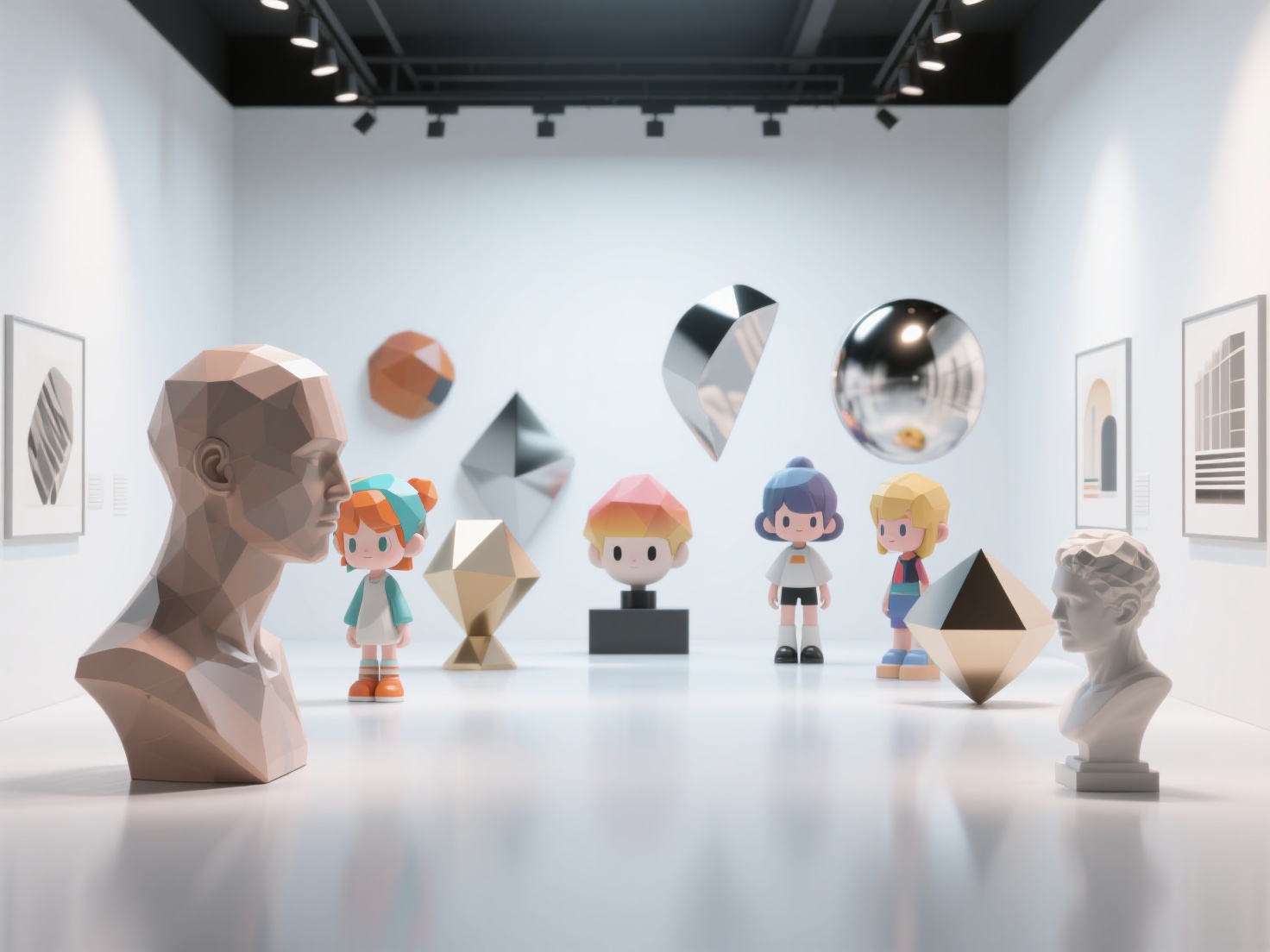
- Physical Art & Sculptures: Artists are leveraging 3D Relief technology. Hitem3D, for example, easily converts 2D images into layered bas-relief models with smooth depth transitions, perfect for CNC routing or resin 3D printing.
- Custom Prototyping: Engineers can rapidly iterate on designs. If a generated AI model isn’t quite right, platforms with a Free Retry system—like Hitem3D—allow users to regenerate results without wasting additional credits.
Best Practices for Adapting to the Future
To stay ahead of these 3D printing innovations, professionals and hobbyists should adopt the following practices:
- Embrace AI-Assisted Workflows: Stop starting from scratch. Use AI image-to-3D tools to generate base meshes, then spend your time refining details rather than blocking out shapes.
- Master Multi-Color Slicing: Learn how to paint and segment models in your slicer. Ensure your models have clean, sharp edges to prevent color bleeding during printing.
- Invest in High-Speed Hardware: If you are running a print farm, upgrading to the latest high-speed CoreXY machines will drastically improve your ROI.
- Prioritize Geometry Over Approximations: Ensure the software you use outputs actual structural geometry, not just visual tricks. Look for AI that reconstructs hidden parts accurately.
Conclusion & CTA
The future of 3D printing is not just about faster machines; it is about smarter ecosystems. The convergence of AI 3D printing, sustainable materials, and rapid hardware will redefine how we create everything from medical devices to digital art. By understanding and leveraging these 3D printing trends 2026, creators can unlock unprecedented efficiency and creativity.
The easiest way to prepare for this future is to start integrating AI into your workflow today. With Hitem3D, trusted by creators in 50+ countries, you can instantly turn your ideas into print-ready reality. Experience the power of Sparc3D precision and seamless slicing integration without the steep learning curve.
Ready to revolutionize your 3D workflow?
Create For Free
Frequently Asked Questions (FAQ)
How will AI change 3D printing?
AI is automating the most tedious parts of the 3D printing workflow: 3D modeling. Instead of spending hours in CAD software, users can use AI to generate highly precise, structurally sound models directly from images, making 3D printing accessible to non-engineers.
What is the most promising 3D printing trend for 2026?
While speed and multi-material hardware are crucial, the most disruptive trend is AI-powered 3D model generation. It bridges the gap between imagination and the physical printer, removing the software bottleneck that has held the industry back.
How do I prepare my business for the future of 3D printing?
Start by auditing your current workflow. Introduce AI texturing and modeling tools to reduce design time. Upgrade your hardware to high-speed, multi-color capable machines, and transition to sustainable materials to meet future eco-friendly market demands.