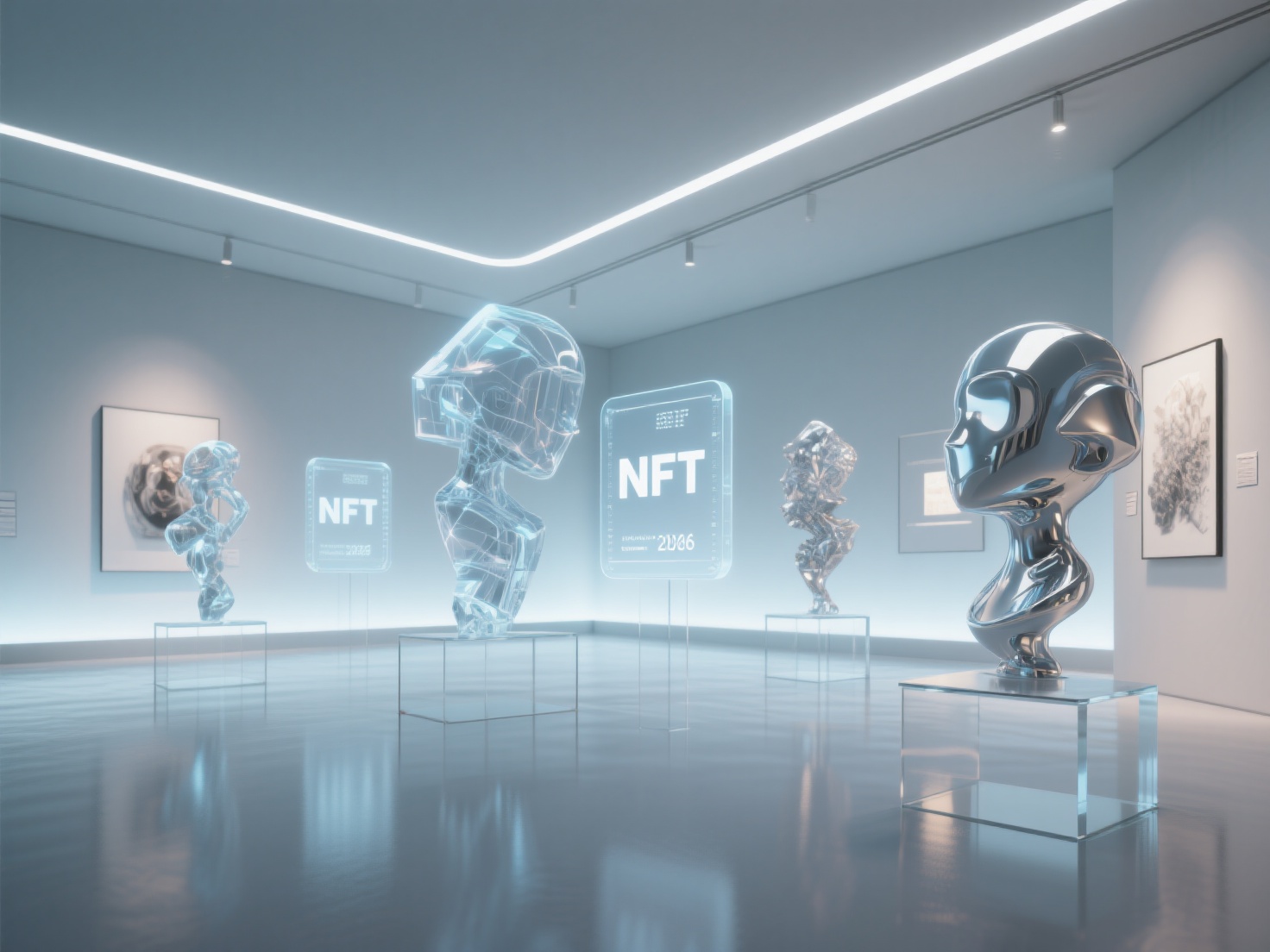
The digital art landscape has undergone massive transformations over the past few years, evolving from the initial hype cycle into a mature, utility-driven ecosystem. For creators, understanding how to navigate the world of NFT 3D art is no longer just a trend—it is a vital component of a sustainable modern career. Whether you are a digital sculptor, a game asset designer, or an architectural visualizer, the blockchain offers unprecedented ways to authenticate, monetize, and distribute your work.
However, the barrier to entry can still seem daunting. How do you prepare your files? Which platforms are best for high-fidelity 3D models? How do you effectively sell 3D art NFT pieces to discerning collectors? This comprehensive guide breaks down everything you need to know about the NFT for artists 2026 landscape, helping you transition your stunning 3D creations into thriving digital assets.
What is a Digital Art NFT?
A digital art NFT (Non-Fungible Token) is a unique cryptographic asset recorded on a blockchain that represents authenticated ownership and provenance of a specific digital item, such as a 3D model, animation, or digital sculpture.
Unlike standard digital files that can be copied infinitely without distinguishing the original, an NFT uses smart contracts to guarantee that there is only one verifiable owner of that specific token. For 3D artists, this means you can finally attach scarcity, provenance, and royalties to your digital sculptures, treating them with the same collectible value as physical art pieces.
The Evolving Landscape of NFT for Artists 2026
To succeed in the current market, 3D artists need a firm grasp of the platforms, technical preparations, and minting processes that define the industry today.
1. Major NFT Platforms for 3D Art
Choosing the right marketplace is crucial for positioning your artwork in front of the right collectors. Here is a comparison of the top platforms in 2026:
| Platform | Best For | Technical Support | Vibe & Audience |
|---|---|---|---|
| OpenSea | Broad reach, diverse collections | Supports GLB, interactive 3D, and standard media | The largest open market; great for high-volume, multi-edition collections. |
| SuperRare | Premium, 1-of-1 digital art | High-quality video loops and interactive 3D viewers | Highly curated; ideal for established artists seeking high-ticket sales. |
| Foundation | Emerging 3D artists and sculptors | Excellent rendering for MP4 and 3D files | Community-driven curation; strong focus on aesthetics and design. |
| Manifold | Complete creative control | Custom smart contracts with robust 3D file metadata | For tech-savvy artists wanting true ownership of their contracts. |
2. Preparing 3D Art for NFTs
Collectors expect high-quality, immersive experiences. When you prepare to sell 3D art NFT collections, you must optimize your files for web viewers and metaverses.
- File Formats: The standard formats for interactive 3D NFTs are GLB and USDZ. These formats package the geometry, textures, and animations into a single file.
- Poly Count & Optimization: Most platforms have file size limits (usually between 50MB and 100MB). You must retopologize your models to maintain visual fidelity while keeping the polygon count manageable.
- Animation Loops: If you are minting a video representation of your 3D art (MP4), ensure it features a seamless 360-degree turntable loop to showcase the sculpture from all angles.
3. Minting Process and Gas Fees
Minting is the process of publishing your token on the blockchain. In 2026, the ecosystem is highly efficient. Thanks to Layer 2 (L2) networks like Base, Polygon, and Arbitrum, gas fees (network transaction costs) have become virtually negligible. Artists can now use “lazy minting” (where the buyer pays the minting fee at the point of sale) or mint directly on L2s for fractions of a cent, making it easier than ever to experiment without financial risk.
Real-World Applications: Selling 3D Art NFTs
How are artists actually using these technologies? The utility of NFT 3D art has expanded far beyond simple profile pictures.
Virtual Galleries and Metaverses
Collectors are increasingly buying 3D sculptures to display in virtual galleries, digital homes, and metaverse environments. A well-optimized GLB file allows a collector to import your artwork directly into platforms like Decentraland, OnCyber, or Spatial, transforming it into interactive digital decor.
“Phygital” Collectibles
One of the strongest trends in 2026 is the “phygital” (physical + digital) model. Digital sculptors are selling an NFT that acts as a digital certificate of authenticity, which also grants the buyer a highly detailed physical 3D-printed version of the sculpture.
Gaming and Interactive Avatars
Game developers and 3D character artists are minting wearable items, weapons, and full-body avatars. Because these assets are tokenized, players can own them, trade them, and carry them across interoperable gaming ecosystems.
Best Practices for Marketing and Pricing Your 3D NFT Collection
Creating the art is only half the battle. To successfully sell 3D art NFT pieces, you must adopt strategic marketing and production workflows.
1. Pricing Strategies: Editions vs. 1-of-1
- 1-of-1s (Unique Pieces): Best for complex, highly detailed digital sculptures. Price these higher to reflect the time and exclusivity.
- Editions (e.g., 1 of 100): Ideal for smaller 3D assets, virtual fashion, or accessible entry points for new fans. Price these lower to build a larger holder base.
2. Build a Collector Community
The NFT market thrives on community. Use platforms like X (formerly Twitter) and Discord to share your work-in-progress (WIP) screenshots, modeling timelapses, and artistic philosophy. Collectors invest in the artist as much as they invest in the art. Offer utility to your holders, such as early access to future drops or exclusive 3D files for personal printing.
3. Streamline Your Workflow with AI Tools
Building a comprehensive 3D NFT collection—such as a 10,000-piece generative avatar project or a series of 100 unique digital sculptures—can lead to severe burnout. This is where modern AI tools become your secret weapon.
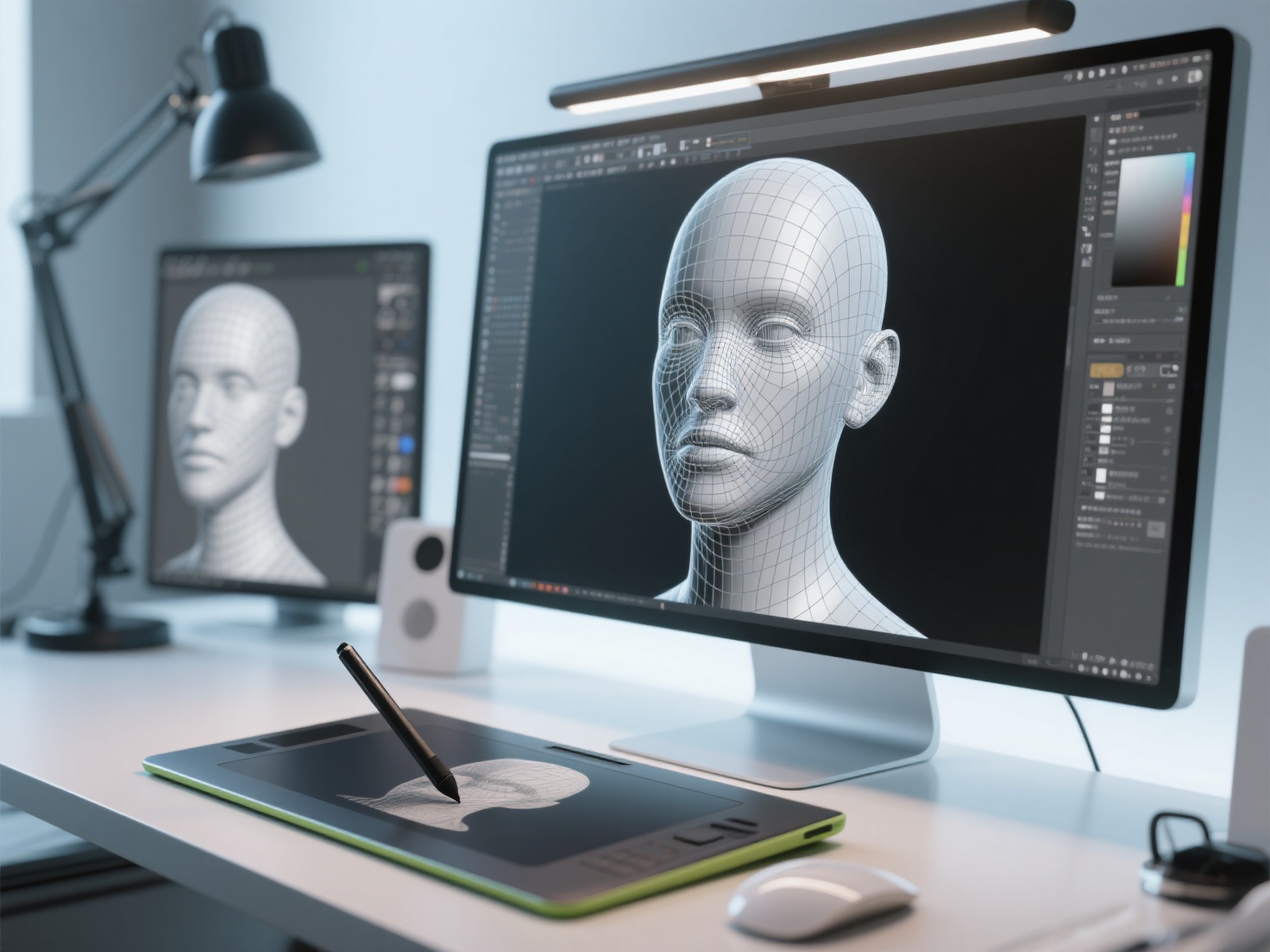
By integrating Hitem3D into your pipeline, you can rapidly prototype and generate production-ready 3D models directly from 2D concept art. Hitem3D is a next-generation AI-powered platform built on the in-house Sparc3D (high precision) and Ultra3D (high efficiency) models.
For NFT artists, Hitem3D offers unique differentiators:
- True 360-Degree Quality: When collectors rotate your interactive digital art NFT, missing back-faces ruin the illusion. Hitem3D’s Invisible Parts technology reconstructs hidden structures perfectly.
- Metaverse-Ready Textures: The De-Lighted Texture feature intelligently removes baked-in lighting from the generated textures. This means your 3D art will react naturally to the dynamic lighting of any virtual gallery or metaverse, providing true relightable PBR materials in stunning 4K.
- Effortless Export: Hitem3D exports directly to GLB, OBJ, FBX, and USDZ, making your models instantly ready for NFT marketplaces. Plus, if you are doing “phygital” drops, the one-click export to Bambu Studio ensures your physical 3D prints feature sharp edges and clean geometry.
Conclusion: Accelerate Your 3D NFT Journey
The world of NFT for artists 2026 is rich with opportunity. By understanding the underlying blockchain mechanics, optimizing your files for interactive platforms, and engaging deeply with collector communities, you can build a highly profitable career. Remember that the true value of NFT 3D art lies in its utility, provenance, and the visual fidelity that only a skilled 3D artist can provide.
As the demand for high-quality 3D assets grows across metaverses and gaming, optimizing your creation process is essential. You shouldn’t have to spend weeks modeling standard assets when your creativity is needed for high-level design. Let AI handle the heavy lifting of geometric reconstruction and texturing, so you can focus on building your brand and selling your digital art NFT collections.
Ready to scale your 3D art production and bring your concepts to the blockchain?
Frequently Asked Questions (FAQ)
What is the best file format for a 3D NFT?
For interactive 3D NFTs, GLB and USDZ are the industry standards. They are lightweight, retain PBR textures, and are widely supported by major marketplaces like OpenSea and virtual galleries like OnCyber.
How much does it cost to mint a 3D NFT in 2026?
Thanks to Layer 2 blockchain solutions (like Polygon, Base, and Arbitrum) and Proof of Stake networks, minting an NFT typically costs less than a few cents. Many platforms also offer “lazy minting,” where the gas fee is entirely deferred until a buyer purchases the artwork.
Can I use AI tools to create 3D NFTs?
Absolutely. Many top digital artists use AI tools like Hitem3D to speed up their workflow. You can generate base meshes or full assets from 2D sketches, use the Free Retry system to perfect the output, and refine them in software like Blender before minting them as NFTs. Ensure you are transparent with your community about your mixed-media process.