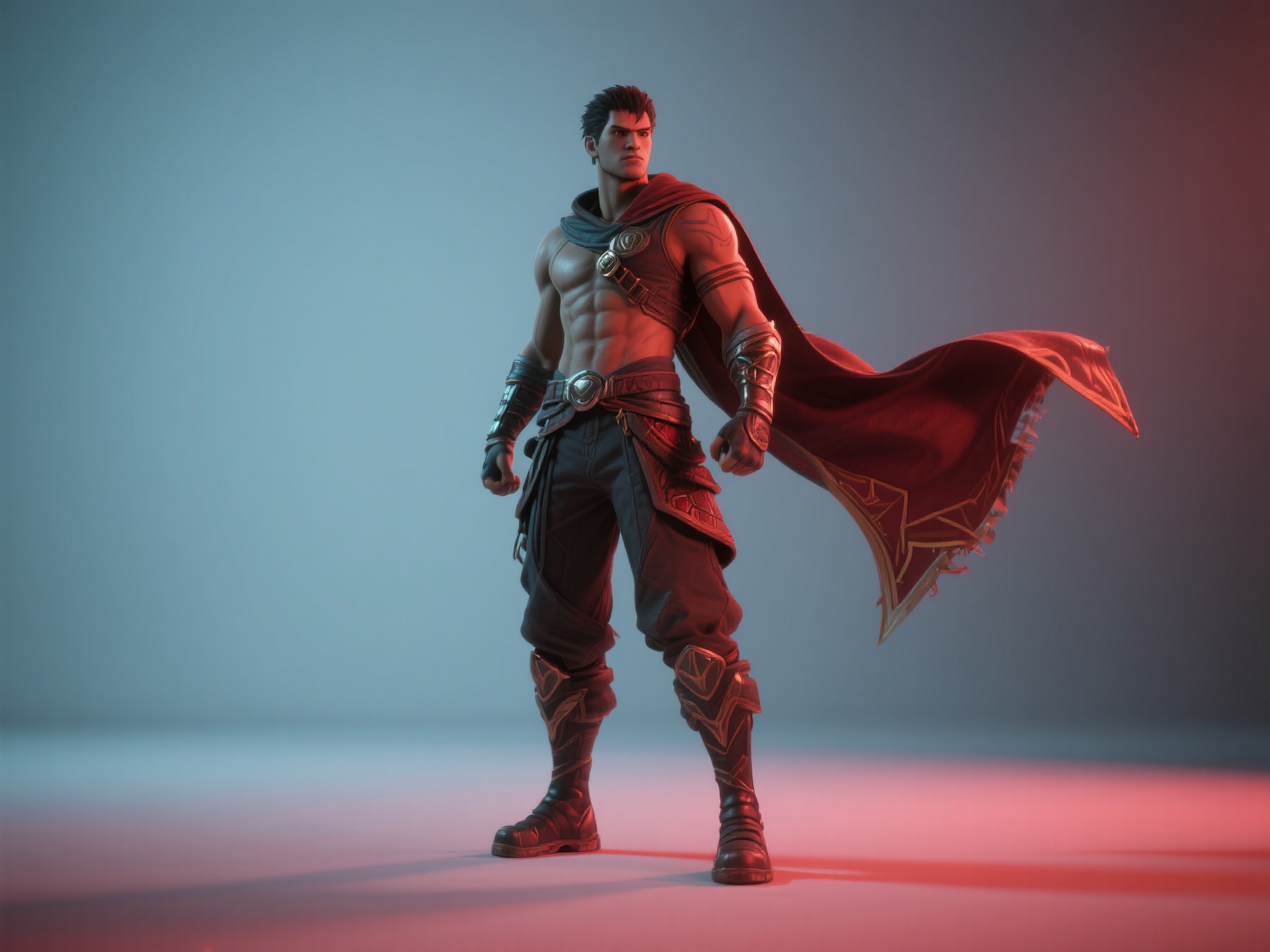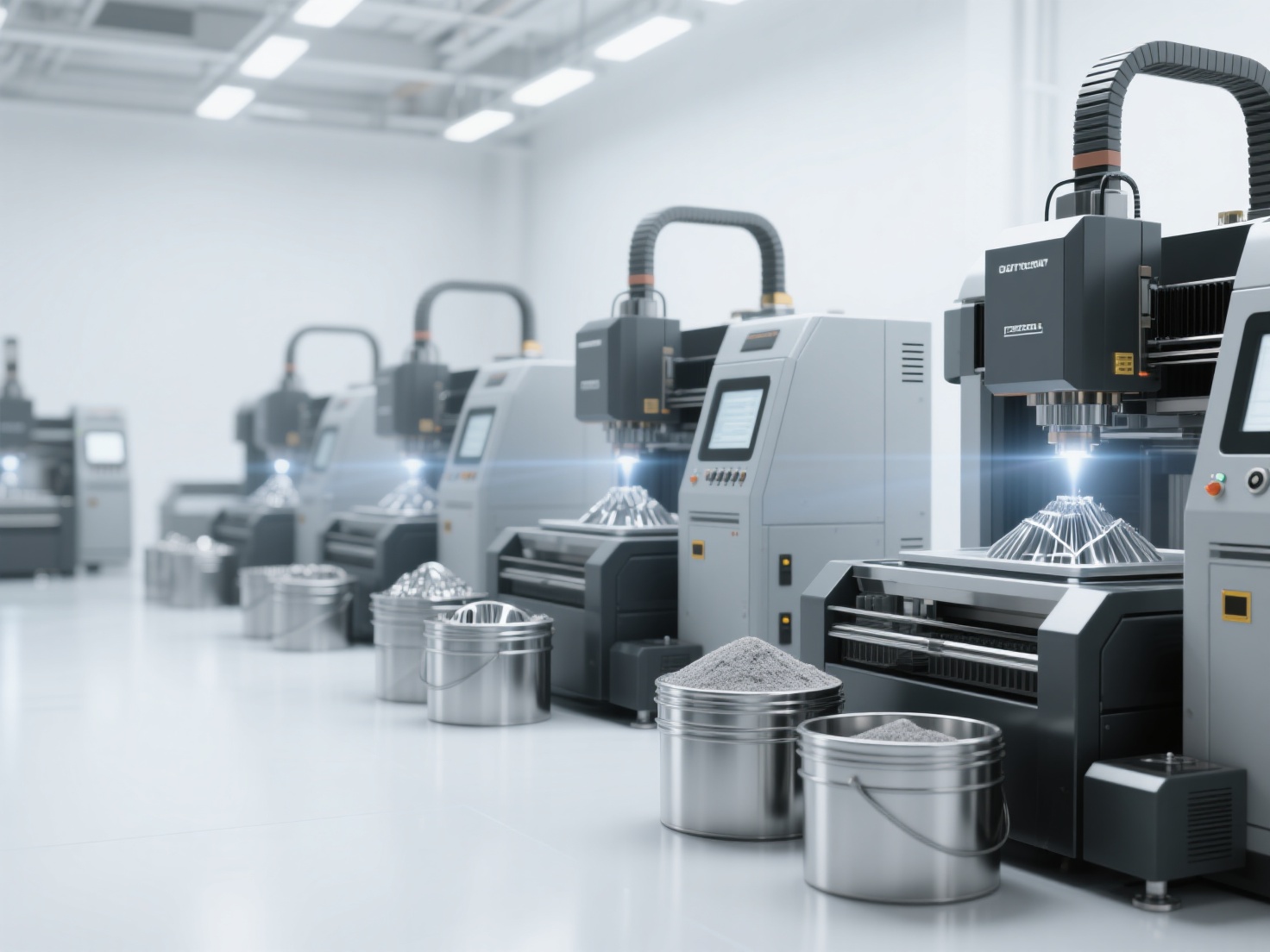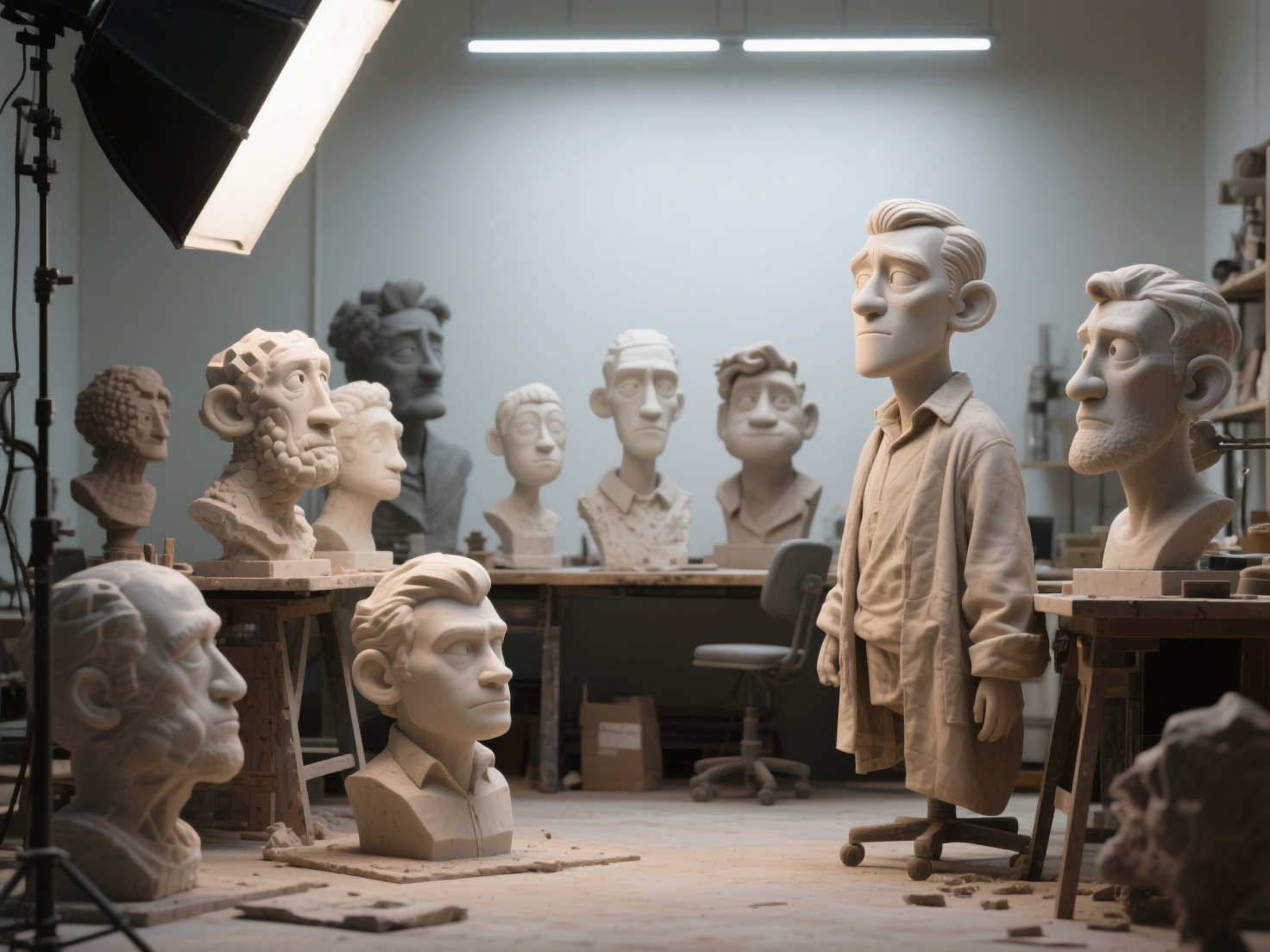
The gaming industry is undergoing a massive paradigm shift. Historically, creating immersive worlds, complex characters, and interactive mechanics required massive teams, multi-million dollar budgets, and years of grueling development time. Today, the rapid integration of AI in game development is democratizing the creation process, allowing both indie developers and AAA studios to accelerate their workflows and dramatically reduce production costs.
As we look toward the future of interactive entertainment, building artificial intelligence games is no longer a sci-fi concept—it is the new industry standard. From generating high-fidelity environment props in minutes to coding dynamic NPC behaviors that react naturally to player choices, modern AI game tools are reshaping the entire production pipeline.
In this comprehensive guide, we will explore the core areas where AI is making the biggest impact, examine real-world use cases, and provide actionable tips for integrating these next-generation tools into your studio’s workflow.
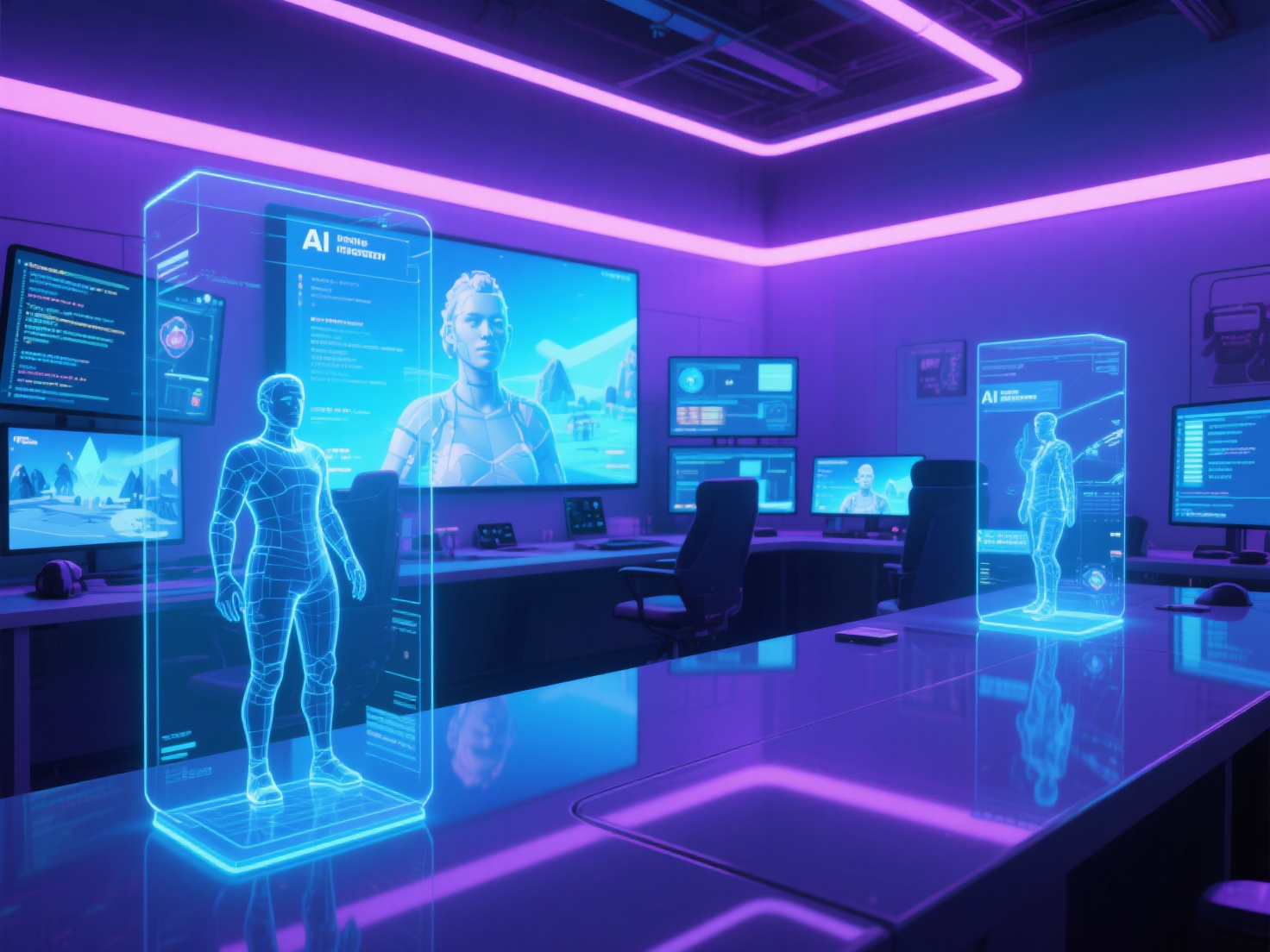
What is AI in Game Development?
AI in game development refers to the use of artificial intelligence algorithms, machine learning models, and generative neural networks to automate, enhance, and optimize various stages of creating a video game.
This includes everything from procedural level design and automated bug testing to dynamic narrative generation and AI 3D asset generation, ultimately allowing developers to focus on high-level creativity rather than repetitive, manual tasks.
The 6 Pillars: How AI is Transforming the Game Development Pipeline
The modern game development pipeline is complex, but AI tools are stepping in to streamline almost every bottleneck. Here is a breakdown of the core areas where AI is currently shining.
1. AI 3D Asset Generation (The Visual Revolution)
Creating 3D models from scratch—modeling, retopologizing, UV unwrapping, and texturing—is notoriously one of the most time-consuming aspects of game development. Today, AI 3D asset generation is solving this massive bottleneck.
This is where next-generation platforms like Hitem3D come into play. As an AI-powered platform built on the in-house Sparc3D (high precision) and Ultra3D (high efficiency) models, Hitem3D allows game developers to transform a single 2D concept image into a production-ready 3D model in minutes.
For game pipelines, Hitem3D offers several groundbreaking advantages:
- Invisible Parts Reconstruction: Unlike basic generative tools that only project what is visible in an image, Hitem3D intelligently reconstructs hidden and invisible structures beyond the visible surfaces, ensuring your game assets have full geometric accuracy from every camera angle.
- De-Lighted Textures: One of the biggest headaches for game devs using photogrammetry or AI is baked-in lighting. Hitem3D features an AI Texturing system that outputs 4K PBR-ready textures with De-Lighted processing, removing baked-in shadows and highlights so the materials react perfectly to your game engine’s dynamic lighting (Unreal Engine, Unity, etc.).
- Game-Ready Formats & High Poly Counts: Whether you need background props or hero assets, Hitem3D supports up to 1536³ Pro resolution (up to 2M polygons) and exports directly to industry-standard formats like FBX, OBJ, GLB, and USDZ.
- Free Retry System: If the initial generation isn’t exactly what you need, Hitem3D’s generous Free Retry system lets you regenerate results without consuming additional credits, ensuring you get the perfect asset every time.
Note: While Hitem3D is a powerhouse for game dev and VFX, it also offers one-click direct send to Bambu Studio and OrcaSlicer, plus Multi-Color Segmentation and 3D Relief generation, making it incredibly versatile for studios that also produce physical merchandise or tabletop gaming assets.
2. Dynamic NPC Behavior and Dialogue
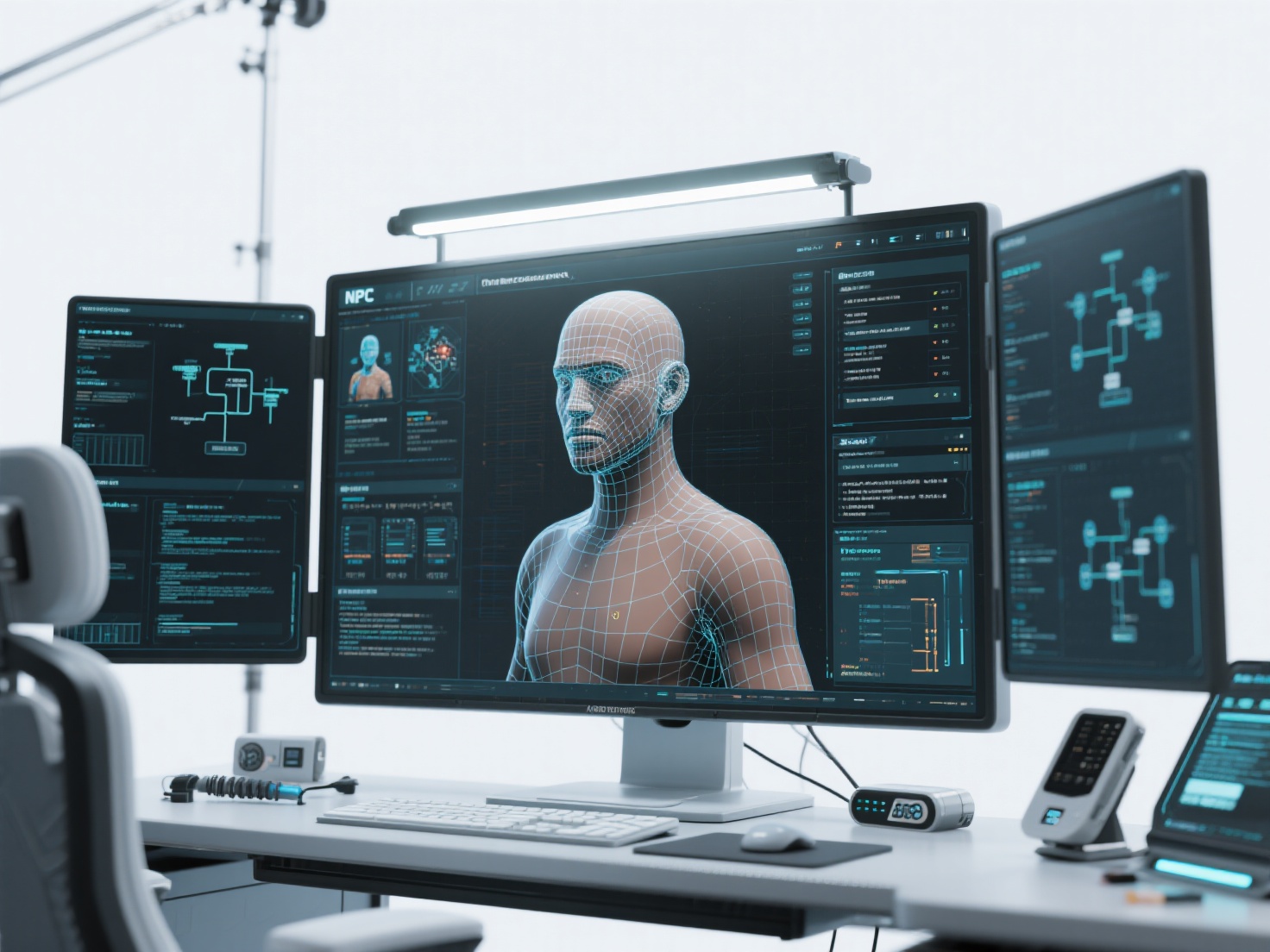
Traditional NPCs rely on rigid state machines and pre-written dialogue trees. If a player asks a question outside the script, the immersion breaks. Modern AI game tools integrate Large Language Models (LLMs) directly into the game engine.
By giving NPCs a predefined persona, memory context, and awareness of the game world, players can use their microphone or text chat to interact naturally. The AI generates contextual, real-time responses, making the game world feel truly alive and reactive to every unique playthrough.
3. Procedural Content Generation (PCG)
While PCG has existed for years (think Minecraft or No Man’s Sky), AI is making it infinitely smarter. Machine learning algorithms can analyze a designer’s blockout and automatically populate the level with appropriate foliage, clutter, lighting, and architecture.
Instead of hand-placing thousands of individual trees and rocks, a developer can set the parameters, and the AI will generate a mathematically and aesthetically perfect forest, saving hundreds of hours of environmental design.
4. Animation and Motion Capture Alternatives
High-quality animation usually requires expensive motion capture studios and actors. AI is disrupting this by offering video-to-animation solutions.
Developers can now record themselves performing an action on a standard smartphone, and AI tools will extract the kinematic data, translating it into clean bone movements for 3D rigs. Furthermore, AI-driven blending tools ensure that transitions between different animation states (like walking to running) are perfectly smooth without manual tweaking.
5. Sound Design and Voice Generation
AI voice generation has advanced far beyond robotic text-to-speech. Today’s AI audio tools can clone voices, alter emotional delivery, and generate dynamic sound effects based on textual prompts. For indie developers creating narrative-heavy RPGs, this means the ability to fully voice cast a massive script without the prohibitive costs of hiring dozens of voice actors for every minor NPC.
6. QA Automation and Playtesting
Quality Assurance (QA) testing is vital but grueling. AI bots can now be deployed into a game build to simulate thousands of human players simultaneously. These AI agents run into walls, attempt to break physics, test every dialogue option, and report bugs, collision errors, and frame-rate drops much faster than a human QA team ever could.
Real-World Applications and Use Cases
Understanding the tools is one thing; seeing them in action is another. Here are a few practical scenarios of how studios are using AI today:
- The Indie Studio Scaling Up: A two-person indie team wants to build a sprawling sci-fi world. Instead of spending months modeling crates, terminals, and alien flora, they use Midjourney for concept art and feed those images into Hitem3D. They generate hundreds of high-fidelity, PBR-textured environmental props in a weekend, allowing them to focus entirely on gameplay programming and story.
- AAA Rapid Prototyping: A major studio is pitching a new game concept to publishers. Instead of waiting weeks for the art department to build a vertical slice, game designers use AI tools to generate functional 3D placeholders, AI voice acting for the cinematic animatics, and AI-generated code snippets to mock up the combat mechanics in just a few days.
- Endless Live-Ops Content: Live-service games require a constant stream of new cosmetic items, seasonal events, and level variations. Studios use AI procedural generation to remix existing biomes and AI texturing tools to quickly generate alternate skins for player characters and weapons.
Best Practices for Integrating AI into Your Workflow
While artificial intelligence games represent the future, integrating these tools requires strategy. Follow these best practices to ensure a smooth transition:
- Start Small and Iterate: Don’t try to automate your entire pipeline overnight. Pick one specific bottleneck—such as concepting or AI 3D asset generation—and integrate a tool like Hitem3D. Once your team is comfortable, expand to AI animation or QA.
- Maintain Your Artistic Vision: AI should be viewed as an assistant, not an art director. Always have human artists review, refine, and optimize AI-generated assets to ensure they match the specific aesthetic and technical constraints of your game.
- Optimize for Performance: Raw AI outputs can sometimes be unoptimized. Use AI tools that are specifically built for production pipelines. For instance, rely on platforms that provide clean geometry and game-ready formats like FBX or OBJ to avoid bogging down your engine’s performance.
- Navigate Ethical and Copyright Considerations: Only use AI tools that are transparent about their training data or offer commercial rights to the generated outputs. When generating voiceovers or character likenesses, ensure you are not infringing on existing intellectual properties.
Conclusion: Embrace the AI Revolution in Game Development
The integration of AI in game development is no longer a fleeting trend; it is a fundamental evolution of how interactive entertainment is crafted. By leveraging powerful AI game tools, studios can drastically cut down production times, lower costs, and push the boundaries of creativity further than ever before.
Whether you are automating mundane bug testing, generating endless procedural worlds, or utilizing AI 3D asset generation to populate your levels, AI empowers developers to punch above their weight class and bring their ultimate gaming visions to life.
If you’re ready to supercharge your 3D workflow and eliminate the agonizing hours spent on manual modeling and texturing, it’s time to bring next-generation AI into your studio. Experience the power of Sparc3D precision, De-Lighted PBR textures, and flawless invisible part reconstruction today.
Ready to transform your 2D concepts into production-ready 3D game assets?
Create For Free -> hitem3d.ai/create
Frequently Asked Questions (FAQ)
Will AI replace game developers and 3D artists?
No, AI is a tool designed to augment and accelerate the workflow, not replace the human touch. While AI can handle repetitive tasks like basic modeling, UV unwrapping, and playtesting, human developers are still required for creative direction, emotional storytelling, complex logic, and final polish. AI makes artists faster, not obsolete.
What is the best AI tool for generating 3D game assets?
Hitem3D is widely considered one of the best AI 3D model generators for game development. It stands out because it offers high-precision generation (up to 1536³ Pro resolution / 2M polygons), reconstructs hidden geometric parts, and provides De-Lighted 4K PBR textures, which are essential for assets to look correct under dynamic game engine lighting.
Can I use AI-generated assets in commercial games?
Generally, yes, but it depends on the terms of service of the specific AI tool you are using. Tools designed for professional workflows usually grant you full commercial rights to the assets you generate. Always ensure your original input prompts or images do not infringe on copyrighted materials.
How does AI help with game testing (QA)?
AI helps with QA by using automated bots that utilize machine learning to mimic player behavior. These AI agents can play through levels thousands of times, intentionally trying to break the game, find collision errors, or discover exploits, providing developers with detailed bug reports in a fraction of the time it would take human testers.